
TL;DR

Get garden gear delivered free — and shop member deals
- Fast, free delivery on millions of items
- Access to Prime Big Deal Days deals on October 6–7
- Prime Video, Amazon Music and more included
In desert gardening, overwatering can mimic drought stress because too much water damages roots, leading to symptoms like wilting and browning. Using precise watering methods and monitoring soil moisture helps prevent this mistake and keeps plants healthy.
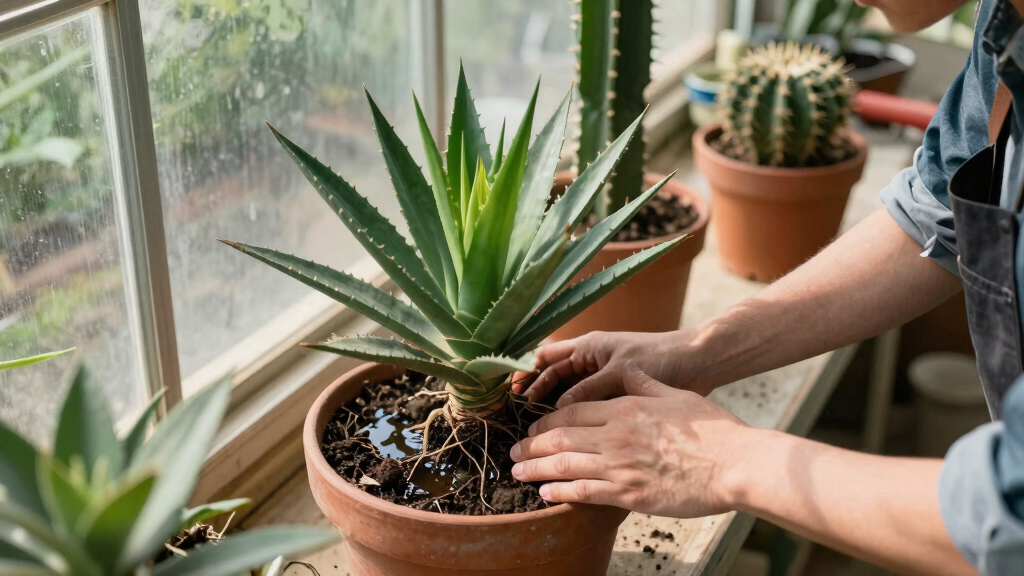
Ever seen a desert plant turn yellow, wilt, or look like it’s suffering from drought, even after heavy watering? That’s overwatering playing tricks on you. In desert gardens, too much water doesn’t just drown roots—it damages them so badly that plants can’t take up what little water they have left. This confusion can lead to killing plants mistaking excess water for drought stress.
Understanding why overwatering shows up as drought symptoms is key for anyone trying to grow healthy, water-wise desert plants. This guide will explain what’s happening beneath the soil, how to spot the signs, and simple ways to keep your plants thriving without drowning them.
Overwatering can cause root rot, leading to drought-like symptoms even when soil is wet.
Use soil moisture sensors or finger tests to avoid watering when the soil is still damp.
Deep, infrequent watering with well-draining soil keeps desert plants healthy without drowning them.
Inspect roots regularly—mushy, dark roots are a sign of overwatering, not drought.
Smart irrigation tools and proper soil mix are your best allies against overwatering mistakes.
Why Overwatering Feels Like Drought Stress in Your Desert Garden
Overwatering in desert plants causes symptoms that look just like drought stress—wilting, browning, and some yellowing leaves. Why? Because too much water floods the roots, rotting them and cutting off oxygen. When roots can’t breathe or absorb nutrients properly, plants act as if they’re parched, even when the soil is soaked.
Root rot from excess water not only kills roots but also compromises the plant’s ability to access water and nutrients. This creates a paradox: the plant appears thirsty but is actually suffocating. Recognizing this helps gardeners understand that symptoms like wilting or yellowing aren’t always due to lack of water but can be a sign of root health issues. The tradeoff here is that overwatering may seem beneficial—helping the plant recover temporarily—but ultimately causes more harm than good by damaging the root system. The implication is that precise watering and soil management are essential to avoid this damaging cycle.
soil moisture sensor for desert plants
As an affiliate, we earn on qualifying purchases.
As an affiliate, we earn on qualifying purchases.
How to Recognize If Your Desert Plant Is Overwatered or Drought-Stressed
- Check the soil moisture: Insert a finger or moisture meter into the soil. If it’s wet a few inches down, overwatering is likely. Recognizing the moisture level helps prevent unnecessary watering that can lead to root damage, especially in desert plants that prefer dry conditions.
- Look at the roots: Gently lift the plant. Mushy, dark roots indicate rot from overwatering, while firm, white roots suggest healthy, drought-adapted roots. Understanding root condition is crucial because visual cues above ground can be misleading if the roots are compromised.
- Observe the leaves: Yellowing or browning leaves, especially soft or wilted ones, can be signs of both issues but combined with wet soil point to overwatering. Differentiating these signs helps you decide whether to adjust your watering schedule or improve drainage.
As an affiliate, we earn on qualifying purchases.
Common Signs of Overwatering That You Might Mistake for Drought Damage
- Yellow, soft, or mushy leaves that fall off easily—these indicate cell breakdown caused by excess water and root decay, not lack of water.
- Mushy stems or blackened, rotted roots—these are definitive signs of root rot from overwatering, which can lead to sudden plant collapse if unnoticed.
- Fungal growth or mold on top of the soil—this thrives in consistently wet conditions, further stressing the plant and signaling overwatering issues.
- Soil that stays soggy weeks after watering—this persistent moisture prevents roots from drying out and encourages rot, often mistaken for drought stress when the plant is actually drowning.
As an affiliate, we earn on qualifying purchases.
Latest Tips and Tech to Prevent Overwatering in Desert Gardens
New tools make watering smarter. Soil moisture sensors, connected to apps, give real-time data—so you water only when needed. These devices help you avoid the common mistake of overwatering by providing precise moisture levels, which is especially important in desert environments where water conservation is key. Drip irrigation systems with pressure regulators and timers deliver exact amounts, reducing runoff and pooling that harm roots. By integrating these technologies, gardeners can fine-tune their watering routines, ensuring plants receive just enough moisture without drowning.
For example, a gardener using a moisture sensor might see the soil is still wet after a week, so they skip watering. That saves their desert plants from drowning and helps them stay healthy during unpredictable desert weather. The tradeoff here is investing in technology versus the risk of neglecting proper watering habits—using these tools effectively can optimize plant health and water use, but they require understanding and maintenance.
watering can with moisture indicator
As an affiliate, we earn on qualifying purchases.
As an affiliate, we earn on qualifying purchases.
How to Water Desert Plants Properly Without Overdoing It
- Choose well-draining soil: Mix cactus soil with sand or pumice to improve drainage. Proper soil prevents water from lingering around roots, reducing the risk of rot and promoting healthy root systems that can withstand dry periods.
- Water deeply, then let dry out: Apply enough water to moisten the root zone, then wait until it’s dry before watering again. Deep watering encourages roots to grow downward, increasing drought resilience, but overwatering can drown roots—so timing and volume matter.
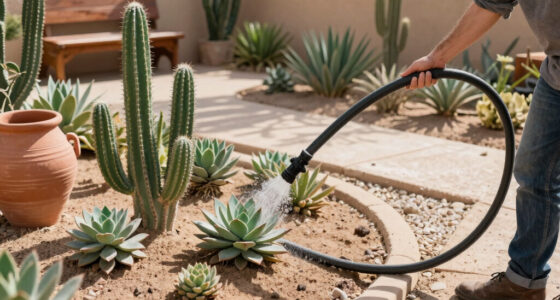
- Use drip or soaker hoses: These direct water straight to roots, minimizing waste and reducing surface runoff that can cause pooling and root rot. Precise delivery is crucial for maintaining optimal soil moisture levels in desert conditions.
- Monitor soil moisture: Regularly check with a soil moisture meter or your finger. Adjust your watering schedule based on actual soil conditions rather than a fixed timetable, which can lead to over- or under-watering.
Comparison Table: Overwatering vs. Drought Stress — Spot the Difference
| Feature | Overwatering | Drought Stress |
|---|---|---|
| Soil moisture | Wet, soggy | Dry, cracked |
| Leaf appearance | Yellow, mushy, soft | Wilting, browning, crisping |
| Root health | Dark, mushy, rotted | Light, firm roots |
| Plant behavior | Wilts despite wet soil | Wilts due to lack of water |
Frequently Asked Questions
How can I tell if my desert plant is overwatered or just drought-stressed?
Check the soil moisture first. If the soil is wet and the roots look dark and mushy, overwatering is likely. Drought-stressed plants usually have dry soil and firm, pale roots. Observe leaf texture and color for additional clues.Can overwatering kill desert plants even if the soil looks moist?
Yes. Excess water drowns roots, causes rot, and blocks oxygen intake. A plant’s roots can be dead or dying even when soil appears wet, so always check root health if you suspect overwatering.How often should I water desert plants?
Most desert plants prefer deep watering every 2-3 weeks, depending on the weather and soil. Always let the soil dry out completely between watering sessions to prevent overwatering.What soil type is best to prevent overwatering?
Use a well-draining mix—cactus soil blended with coarse sand or pumice helps excess water flow away from roots, reducing the risk of drowning your plants.Are there tools that help prevent overwatering in desert gardening?
Absolutely. Soil moisture sensors, drip irrigation with timers, and pressure regulators give you precise control over watering, preventing excess that can harm your plants.Conclusion
Your desert plants don’t need drowning to thrive; they need just enough water to reach their roots and then dry out. Overwatering tricks you into thinking they’re thirsty, but it’s really suffocating them from within. Keep soil well-draining, monitor moisture, and water intentionally—your plants will thank you with vibrant, resilient growth.
Think of watering like a fine art—balance and timing are everything. With a little practice, you’ll keep your desert garden healthy, happy, and drought-resistant, even when the skies refuse to cooperate.
Halloween Picks
halloween
As an affiliate, we earn on qualifying purchases.