TL;DR

Get garden gear delivered free — and shop member deals
- Fast, free delivery on millions of items
- Access to Prime Big Deal Days deals on October 6–7
- Prime Video, Amazon Music and more included
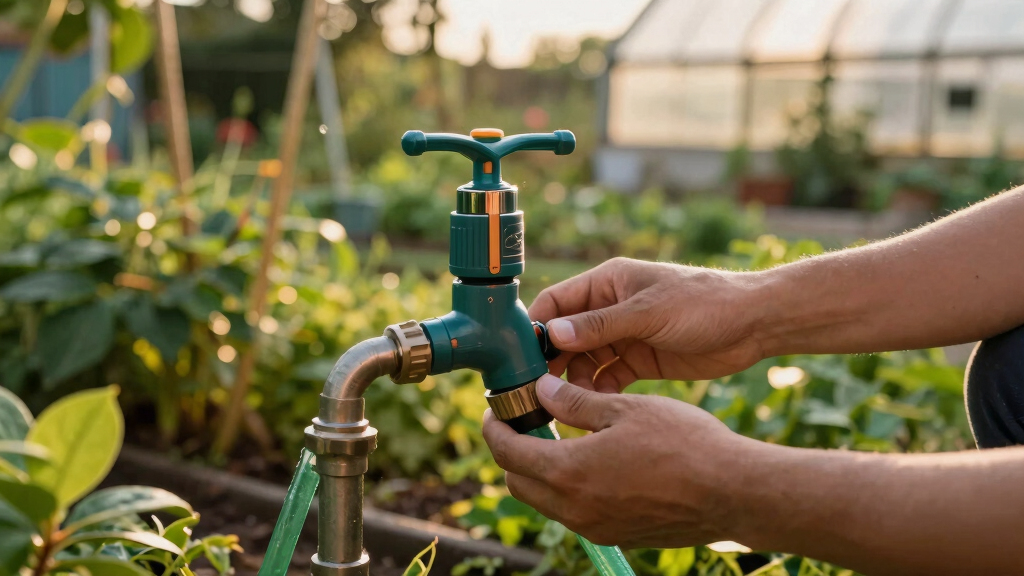
Extreme heat can cause digital hose timers to skip cycles due to overheating or battery drain. Installing timers in shaded spots, maintaining batteries, and choosing heat-resistant models help keep your watering on schedule.
When temperatures soar past 100°F, your trusty hose timer can become as unreliable as a summer breeze. It’s frustrating to see your scheduled watering get skipped, especially when your plants need moisture most. But before tossing the timer aside, know that heat-induced glitches are common and fixable.
This guide reveals how extreme heat messes with timers, what causes those skipped cycles, and simple ways to keep your irrigation running smoothly during the hottest days. If you’re tired of fighting with your watering system during heatwaves, stick around. There’s a fix for every malfunction, and often, it’s as simple as relocating, maintaining, or upgrading your timer.
Always install timers in shaded, well-ventilated spots to reduce heat exposure.
Regularly replace batteries with high-quality, weatherproof types—don’t wait for them to die.
Consider upgrading to heat-resistant or smart timers with weather sensors for better reliability.
Mechanical timers tend to be more heat-tolerant but check gear movement regularly.
Use reflective barriers or shade cloths to keep digital timers cool during peak heat.
Why Extreme Heat Causes Your Hose Timer to Skip Cycles (And How to Spot the Problem)
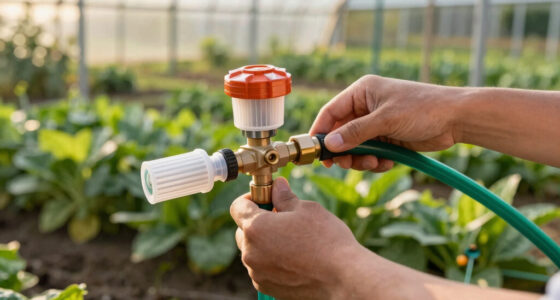
Digital hose timers are sensitive to high temperatures, which can cause internal components to overheat or reset. Overheating can lead to erratic behavior because electronic circuits are designed to operate within specific temperature ranges. When these limits are exceeded, the circuitry may malfunction or temporarily shut down, causing the timer to skip scheduled watering cycles. Recognizing these signs early helps prevent your plants from going thirsty during heatwaves.
Common signs include the timer resetting to default settings unexpectedly, irregular cycle patterns that don’t match your programming, or a complete shutdown where the timer stops functioning altogether. For example, during a 3-day heatwave, a gardener noticed her digital timer skipped two cycles, leaving her potted plants parched. The culprit? Overheated circuit boards and drained batteries, both of which impair the timer’s ability to maintain accurate schedules. Understanding these symptoms is crucial because they indicate that heat stress is compromising your system’s reliability, and addressing these issues can restore your watering schedule without needing a full replacement.
As an affiliate, we earn on qualifying purchases.
Top 4 Reasons Your Hose Timer Skips Cycles in Extreme Heat (And How to Fix Them)
| Cause | How It Affects Your Timer | Simple Fixes |
|---|---|---|
| Battery Drain | Batteries weaken or die, causing power loss and missed cycles. When batteries are low, the timer may reset or fail to power on, leading to skipped watering days. This is especially problematic during heatwaves when batteries deplete faster due to increased internal resistance. | Replace batteries with high-quality, heat-tolerant types every season. Consider rechargeable batteries for better reliability. Regularly check battery status, as weak batteries can cause unpredictable behavior that mimics overheating issues. |
| Overheating Electronics | Heat can cause internal circuits to reset or malfunction, skipping scheduled watering. Excessive heat increases internal resistance and can cause components to overheat, leading to automatic shutdowns or erratic timing. This undermines the timer’s precision and can cause inconsistent watering patterns, stressing your plants. | Install timers in shaded areas or add a shade cloth to reduce direct sun exposure. Use models with heat-resistant circuitry and better thermal management. This tradeoff involves selecting more robust timers that may be pricier but offer greater reliability during extreme conditions. |
| Mechanical Warping (for Mechanical Timers) | Heat causes plastic gears to warp, sticking or slipping, disrupting timing. Warped gears can lead to inaccurate watering durations or missed cycles, which might be subtle at first but can cause significant drought stress for plants. | Place mechanical timers in cool, shaded spots and check gear movement periodically. Regular maintenance ensures gears aren’t sticking or slipping, maintaining schedule accuracy. The tradeoff here is that mechanical timers are more durable but less flexible in programming. |
| Power Surges or Outages | Extreme heat can lead to power fluctuations that reset digital timers. Power surges might cause the timer to reboot, losing programmed settings and causing skipped cycles. This can happen if your electrical system is unstable or if surges occur during heat waves. | Use surge protectors or backup power sources, like solar timers with built-in batteries. These add an extra layer of protection but may increase initial costs and complexity. |
Knowing these causes helps you target your fixes effectively, ensuring your garden stays hydrated and reducing water waste. Understanding the tradeoffs—such as investing in more heat-tolerant models or adding protective accessories—can make your system more resilient and reliable during extreme conditions.
As an affiliate, we earn on qualifying purchases.
How to Protect Your Hose Timer From Extreme Heat (Step-by-Step)
- Identify a shaded, ventilated spot for your timer—under an eave, behind a shrub, or under a porch. Avoid direct sun, as prolonged exposure can cause internal overheating, leading to erratic behavior or failure.
- Use heat-resistant models designed for outdoor, hot climates. Check specifications for operating temperature ranges to ensure they can handle your local conditions without malfunctioning.
- Replace batteries regularly, especially before summer heats up. Use high-quality, weatherproof types to prevent power issues that could mimic heat problems or cause sudden failures.
- Install a simple shade cloth or reflective barrier to keep the timer cool during peak heat times. This simple step can significantly reduce internal temperatures and extend your timer’s lifespan.
- Regularly inspect and clean your timer—remove dust, debris, and check gear movement if mechanical. Keeping components free of dirt ensures smooth operation and early detection of potential heat stress damage.
- Upgrade to smart timers with weather sensors that adjust watering schedules based on real-time conditions, reducing heat stress and preventing unnecessary watering or missed cycles. This smart approach adds adaptability, making your system more resilient to heat fluctuations.
Following these steps can make your system more resilient, even during heatwaves. The key is proactive placement and maintenance, which help mitigate the effects of extreme temperatures and keep your garden thriving.
As an affiliate, we earn on qualifying purchases.
Compare Popular Timer Types for Hot Climates (Quick Guide)
| Type | Pros | Cons | Best For |
|---|---|---|---|
| Mechanical Timers | Very durable, less sensitive to heat, easy to fix | Less precise, limited programming options | Simple gardens, shaded locations |
| Digital Timers | More control, detailed schedules, remote access | More sensitive to heat, electronics can overheat | Complex setups, tech-savvy gardeners |
| Smart Timers | Adjusts to weather, remote control, data logging | Higher cost, requires Wi-Fi | Tech-friendly, connected gardens |
| Solar Timers | Power-efficient, good for remote locations | Heat dissipation can be an issue, dependent on sunlight | Sunny, remote areas |
Choose based on your climate, tech comfort, and garden needs. For hot, sunny spots, mechanical or solar models with proper placement often outperform delicate digital timers, especially when placed in shaded or well-ventilated areas to prevent overheating. Carefully weighing the tradeoffs—durability versus programmability—ensures you select a timer that offers both resilience and functionality in extreme heat conditions.
As an affiliate, we earn on qualifying purchases.
Frequently Asked Questions
Why does my hose timer skip watering cycles during hot days?
The most common reasons are drained or dead batteries and internal electronic overheating. Both issues cause the timer to reset or malfunction, skipping scheduled watering days.
How can I prevent my timer from malfunctioning in extreme heat?
Install it in shaded, ventilated spots, replace batteries regularly, and opt for models designed for high temperatures. Using reflective barriers or shade cloths adds extra protection.
Are digital timers better than mechanical ones in hot climates?
Not necessarily. Digital timers offer advanced features but are more sensitive to heat, unless built with heat-resistant circuitry. Mechanical timers are more durable but less precise.
What should I do if my timer keeps skipping cycles despite proper placement?
Check and replace batteries, move the timer to a shaded location, and consider upgrading to a more heat-tolerant model like a solar or mechanical timer.
Can smart timers handle extreme heat better?
Many smart timers include weather sensors and insulation features that help mitigate heat effects. Still, placement in shade remains key for reliability.
Conclusion
Extreme heat tests your garden’s patience—and your watering system. The good news? A little proactive placement, maintenance, and smart upgrades keep your hose timer ticking reliably, even in the heat of summer.
Remember, a well-protected timer is your garden’s best friend during scorching days. Think of it as giving your plants a steady drip of comfort, no matter how hot it gets outside.
Halloween Picks
halloween
As an affiliate, we earn on qualifying purchases.