
TL;DR

Get garden gear delivered free — and shop member deals
- Fast, free delivery on millions of items
- Access to Prime Big Deal Days deals on October 6–7
- Prime Video, Amazon Music and more included
Saving seed from desert-adapted vegetables keeps your garden resilient. Focus on open-pollinated varieties for predictable, true-to-type plants. Proper drying and isolation are key to success.
Only open-pollinated vegetables reliably produce seeds that come back true in desert conditions.
Timing your harvest and proper drying are key to preserving seed viability.
Prevent cross-pollination with barriers or spacing to keep your seed true to your preferred variety.
Native desert plants are excellent choices for seed saving—supporting resilience and biodiversity.
Community seed banks and simple tools make seed saving easier and more sustainable.
What desert vegetables reliably come back true from seed?
Many desert vegetables are open-pollinated, meaning their seeds produce plants similar to the parent if isolated properly. Think of plants like native greens, certain tomatoes, and heirloom squash. For example, desert squash and native greens often seed themselves, coming back with the same tough traits each year. When you save seed from these, you’re planting a piece of your local climate every season.
Choosing these varieties matters because it ensures genetic stability—your plants will consistently display the desired drought tolerance, flavor, and resilience. If you select plants that are well-adapted locally, you’re essentially capturing the genetic blueprint of survival in your specific environment. This stability reduces the need for constant replanting or intervention, making your garden more self-sustaining. Conversely, hybrid varieties may produce offspring that lack these traits, forcing you to buy new seeds annually, which can be costly and less reliable in harsh conditions. Therefore, understanding which vegetables produce true seeds is crucial for creating a resilient, low-maintenance garden that thrives amid the challenges of desert life.
As an affiliate, we earn on qualifying purchases.
How to harvest and store seeds so they stay true and viable
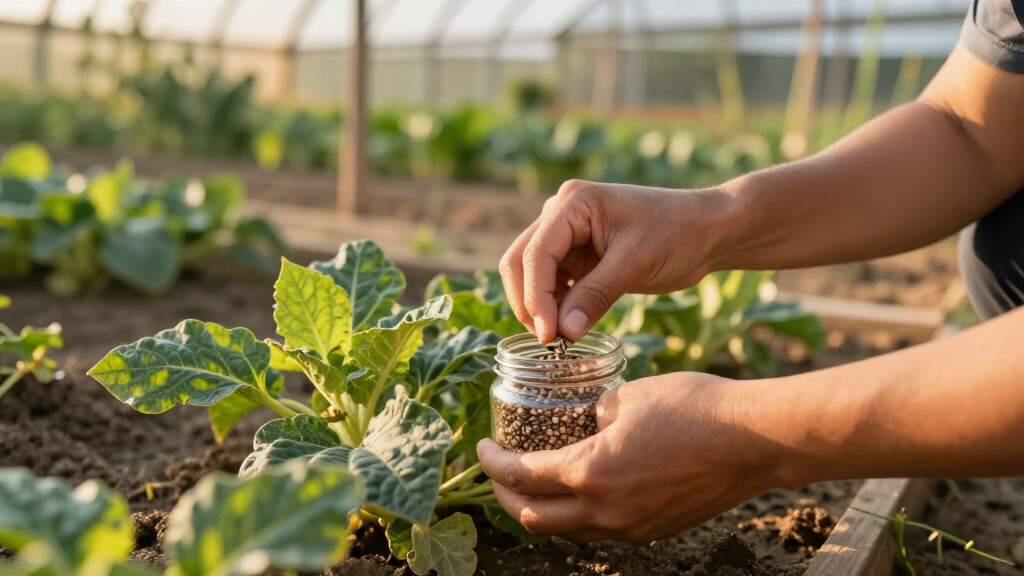
First, wait until your vegetables are fully ripe. For example, a desert melon turns a deep, dull color, and its flesh smells sweet and earthy. For tomatoes, harvest when they’re fully colored and slightly soft. Then, carefully remove seeds and rinse off any pulp.
Next, dry the seeds on a paper towel in a warm, dry spot—avoid direct sun. Proper drying is essential because residual moisture can lead to mold or seed rot during storage, significantly reducing viability. Once dry, store seeds in small, airtight containers like glass jars or paper envelopes. Keep these in a cool, dark place—like a cellar or fridge. This controlled environment slows down metabolic processes and prevents deterioration caused by heat or humidity. Proper storage can extend seed viability up to 5 years, especially for native or open-pollinated varieties, but neglecting these steps can lead to rapid seed loss and poor germination rates in future seasons. Understanding the importance of careful drying and correct storage ensures your seeds remain true to type and viable for years to come, making your seed-saving efforts more successful and sustainable.
As an affiliate, we earn on qualifying purchases.
How to prevent cross-pollination and keep your seeds true to type
In desert gardens, many veggies are self-pollinating or wind-pollinated, which helps keep seeds true. But if you grow multiple varieties close together—say, two types of desert squash—you risk cross-pollination. This can produce unpredictable offspring that may differ in flavor, size, or drought tolerance. The implications are significant: your seed collection might no longer reliably produce plants like the parent, undermining your efforts at self-sufficiency.
To prevent this, use physical barriers like row covers or plant different varieties far apart—at least 100 feet if possible. Stagger flowering times by planting varieties at different times or pruning to limit overlaps. These practices reduce the chance of pollen from one variety fertilizing another, preserving genetic purity. The tradeoff is that these measures require planning and extra space, which might be limited in small gardens. However, investing in isolation techniques ensures your saved seeds remain true to the original variety, maintaining the resilience and predictability of your garden. Understanding the balance between space, timing, and barriers helps you make strategic decisions that safeguard your seed stock’s integrity and your garden’s future success.
As an affiliate, we earn on qualifying purchases.
Frequently Asked Questions
Can I save seed from hybrid vegetables?
You can, but the seeds often won’t produce plants like the parent. Hybrids tend to breed unpredictable offspring, so for true-to-type seeds, stick with open-pollinated or heirloom varieties.How do I tell if a seed will come back true?
If the plant is open-pollinated and you’ve isolated it properly, its seeds will likely produce similar plants. Native and heirloom varieties are your best bets for predictability.What’s the best way to store seeds in a hot, dry climate?
Keep seeds in airtight jars or paper envelopes stored in a cool, dark place—like a basement or fridge. Avoid humidity and direct sunlight to prolong viability.How far apart should different varieties be planted to avoid cross-pollination?
Ideally at least 100 feet apart, or use physical barriers like row covers. Stagger flowering times to reduce overlap, especially for plants like squash or melons.Are native desert plants good for seed saving, and why?
Yes. Native plants are already adapted to extreme conditions and tend to seed themselves naturally, making them reliable seed sources that contribute to a resilient garden.As an affiliate, we earn on qualifying purchases.
Conclusion
Saving seed from desert vegetables isn’t just about self-sufficiency—it’s about building a garden that stands tough against the sun and drought. Focus on open-pollinated, native varieties, and master simple techniques like proper drying and isolation. Your resilient garden becomes a legacy of local adaptation—and a quiet rebellion against desertification.Fall Picks
fall essentials
As an affiliate, we earn on qualifying purchases.