
TL;DR
Listen free for 30 days with Audible
Thousands of audiobooks and originals — cancel anytime.
Start your free trialAs an affiliate, we earn on qualifying purchases.
Proper lighting boosts usability and beauty of desert patios after sunset. Using energy-efficient, weatherproof fixtures—especially solar and LED—keeps things simple, eco-friendly, and stunning in desert conditions.
Imagine sitting under the vast, starry desert sky, the scent of sage and cactus in the air. Your desert patio glows softly, inviting you to linger long after sunset. But many desert gardeners overlook how crucial good lighting is for safety, beauty, and extended outdoor enjoyment.
If you want your desert space to shine without overpowering its natural charm, this guide will walk you through smart lighting techniques that suit hot, dry climates. From subtle accent lights to practical pathways, you’ll learn how to create a cozy, functional oasis well into the evening.
Use layered lighting—ambient, accent, and task—to create a cozy, functional desert patio after dark.
Choose warm-colored, weatherproof fixtures, especially solar and low-voltage LEDs, for durability and natural aesthetics.
Strategically place lights along pathways, plant bases, and key features to maximize safety and visual impact.
Leverage recent tech like smart controls and moonlighting effects to simplify setup and enhance ambiance.
Keep fixture maintenance simple: clean solar panels, replace batteries, and avoid overlighting to preserve desert ambiance.
Why Good Lighting Turns Your Desert Patio into a Nighttime Retreat
Lighting isn’t just about safety—it’s about highlighting your desert’s natural beauty and making your outdoor space inviting after dark. Well-placed lights can accentuate features like the spines of agaves, the graceful curves of desert sculptures, and the textured surfaces of weathered stone, transforming a simple patio into a captivating nocturnal scene.
Beyond aesthetics, proper lighting influences how you experience and utilize your outdoor space. For instance, uplighting a cactus not only reveals its intricate spines but also creates dramatic shadows that add depth, making the landscape more engaging. At the same time, lighting pathways and steps is essential for safety, reducing the risk of trips or falls in uneven terrain. However, striking the right balance is key: too much light can drown out the natural ambiance, while too little can be unsafe. Understanding how to layer different types of lighting allows you to enhance visual interest while maintaining a tranquil, eco-friendly environment that respects the desert’s delicate ecosystem.
Choosing the right lighting also involves understanding the tradeoffs: brighter lights increase safety but risk light pollution and disrupting wildlife, while minimal lighting preserves the natural darkness but may compromise safety. Thoughtful placement and intensity control are crucial to creating a space that is both beautiful and functional, encouraging evening use while conserving the desert’s natural rhythms.
As an affiliate, we earn on qualifying purchases.
3 Types of Desert Patio Lights That Make Nighttime Magic
When selecting lighting for your desert patio, it’s vital to understand the different roles each type plays in creating a balanced, inviting environment. Ambient, accent, and task lighting serve distinct purposes, and their thoughtful combination can dramatically enhance the nighttime experience.
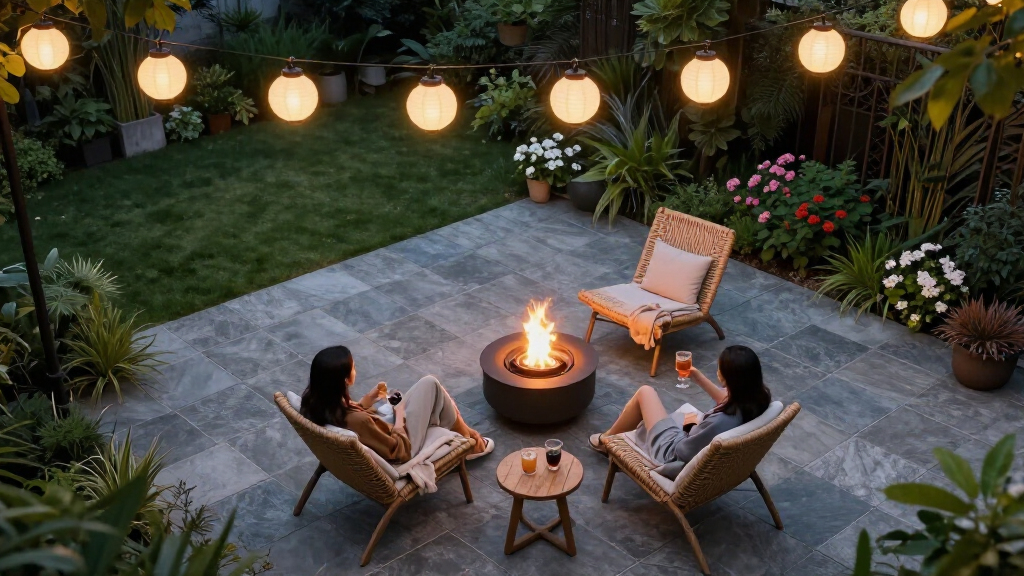
- Ambient Lighting: This provides a gentle, overall glow that mimics the natural light of dusk or dawn. String lights or lanterns hung overhead create a warm, welcoming atmosphere, making the space feel cozy and safe without overwhelming the natural darkness. Proper ambient lighting ensures you can move comfortably and enjoy the landscape after sunset, but excessive brightness can detract from the natural desert ambiance and disturb nocturnal wildlife.
- Accent Lighting: Focused lights like spotlights or well lights highlight specific features—such as cacti, sculptures, or textured walls—adding visual interest and depth. The key is to position these lights carefully so they emphasize the features without creating harsh shadows or overly bright spots that can distort natural forms. This selective illumination draws attention to the desert’s unique textures and shapes, enriching the nighttime landscape. Choosing fixtures with adjustable brightness and directionality allows you to fine-tune the scene and avoid the risk of light spill that diminishes the natural feel.
- Task Lighting: These are focused lights designed for specific activities, such as dining or reading areas. They need to be bright enough for safety and functionality but should blend seamlessly into the environment. Overly intense task lighting can break the tranquil desert mood and cause glare, so selecting fixtures with dimming options or warm tones helps create a harmonious balance. Proper task lighting ensures safety without sacrificing the aesthetic harmony of your outdoor space.
For example, string fairy lights overhead create a cozy atmosphere, while a well-placed uplight at the base of a cactus emphasizes its form and creates dramatic shadows. A small, weatherproof lamp on the patio table provides functional illumination for evening drinks. When these layers work together, they craft a scene that is both beautiful and practical, encouraging evening enjoyment while respecting the desert’s natural rhythms.
LED weatherproof landscape lighting
As an affiliate, we earn on qualifying purchases.
As an affiliate, we earn on qualifying purchases.
Design Tips for Desert Lighting That Looks Natural and Feels Cozy
Creating a natural, cozy lighting scheme in the desert requires more than just installing lights—it demands an understanding of how light interacts with the landscape and how to subtly enhance the environment without overwhelming it. Use warm-colored bulbs, such as amber or rust tones, which mimic the desert sunset and blend seamlessly with natural hues. Harsh white light can clash with the warm desert palette and diminish the landscape’s organic beauty.
Keep fixtures low-profile: recessed or hidden lights are less intrusive and help maintain a natural look. Solar fixtures are especially suitable for remote or hard-to-wire spots, but their effectiveness depends on proper placement and exposure to sunlight during the day. Durability matters too; select UV-resistant, weatherproof materials like rusted metal or stone-like finishes that naturally blend into the desert setting. These materials withstand harsh sun and wind, ensuring your lighting remains attractive over time.
For example, install solar uplights among desert rocks to cast upward shadows that highlight textures, or wrap warm LED string lights around mesquite branches to create a gentle, inviting glow. Aim for a layered approach: soft ambient illumination supplemented by strategic accents. This technique not only enhances specific features but also maintains a gentle overall ambiance that highlights the desert’s natural beauty. Thoughtful moderation is crucial—too many lights can clutter the scene or disturb local wildlife, so focus on quality and placement. This approach results in a cozy, authentic desert atmosphere that respects and celebrates the landscape’s simplicity and serenity.
As an affiliate, we earn on qualifying purchases.
The Best Placement Strategies for a Safe, Stunning Desert Nightscape
Placement is the foundation of effective desert lighting. Properly positioned lights ensure safety and highlight key features without creating unnecessary light pollution. Start by illuminating pathways, steps, and uneven terrain with low-voltage LED path lights. These provide sufficient illumination for safe navigation while maintaining a subtle presence that doesn’t overpower the scene.
Highlight key landscape features—such as the bases of cacti or sculptures—by positioning uplights carefully at their bases to cast dramatic shadows that add depth and visual interest. Hang string lights overhead to create a warm, inviting canopy, but be mindful of their placement to avoid disturbing nocturnal wildlife or contributing to skyglow. Strategic positioning involves balancing safety, aesthetics, and environmental sensitivity. For instance, running solar path lights along gravel paths enhances safety without excessive brightness, while uplighting large desert plants emphasizes their form and texture without overwhelming the scene. Thoughtful placement also considers wildlife: avoiding light spill into natural habitats helps preserve nocturnal behaviors and the local ecosystem. Ultimately, the goal is to craft a scene that is both stunning and sustainable, where safety, beauty, and ecological responsibility coexist harmoniously.
As an affiliate, we earn on qualifying purchases.
Latest Trends and Tech That Make Desert Lighting Easier and Smarter
Recent technological advancements have revolutionized desert lighting, making it more efficient, controllable, and environmentally friendly. Solar lights now feature brighter LEDs, longer-lasting batteries, and intelligent sensors that adjust brightness based on ambient light levels, reducing the need for manual intervention and conserving energy. These improvements mean less maintenance and more reliable illumination.
Smart lighting controls—accessible via smartphone apps or voice commands—allow you to turn lights on/off, dim them, or change colors remotely, providing flexibility and ease of use. Such features enable you to create dynamic atmospheres for different occasions without physically adjusting fixtures. Eco-friendly fixtures like solar-powered LEDs and low-voltage systems also reduce energy consumption and lower costs, aligning with sustainable desert gardening principles.
Lighting effects such as moonlighting—where fixtures mimic natural moonlight—or flickering firelight add a natural, calming ambiance that complements the desert’s tranquility. These effects are achieved with specialized fixtures or programmable systems, offering a magical, natural feel without disturbing the environment.
Integrating these innovations involves tradeoffs: smart systems may have higher upfront costs and require some technical know-how, while solar fixtures depend on consistent sunlight and may need regular cleaning. Balancing technology with practicality ensures your lighting system remains effective and hassle-free. The key is to choose solutions that enhance your outdoor experience while respecting the desert’s fragile ecosystem, providing both beauty and sustainability.
Key Facts About Lighting Your Desert Patio and Why They Matter
Proper lighting can extend your outdoor usability significantly—by up to 50%—by making it safe and inviting after sunset. LED fixtures are highly energy-efficient, offering up to 25,000 hours of lifespan, which is especially important in desert conditions where maintenance can be challenging. Solar options are particularly advantageous in remote areas, eliminating wiring and reducing energy costs, but they require sufficient sunlight exposure and regular cleaning to perform optimally.
However, the desert sun’s intense UV rays and harsh conditions can degrade certain fixtures over time. Selecting UV-resistant, weatherproof models helps maintain their appearance and functionality across seasons, ensuring your lighting investment lasts. Understanding these facts empowers you to make informed decisions, balancing durability, efficiency, and environmental impact. Choosing high-quality fixtures that withstand the desert climate minimizes replacement costs and ensures consistent performance, helping you create a resilient, beautiful nightscape that endures over time.
Your Burning Questions About Desert Patio Lighting — Answered
What are the best types of lights for desert patios? Solar LED fixtures and warm-tone string lights are ideal—they’re durable, energy-efficient, and complement the desert’s natural hues. Their reliability in dry, sunny conditions makes them practical, especially where wiring is difficult or undesirable. However, consider your specific aesthetic and functional needs—large spaces may require more powerful lighting, while smaller areas benefit from subtle accents. Balancing durability, efficiency, and ambiance ensures your lighting enhances the landscape without overwhelming it.
Can I install lighting myself? Yes. Most fixtures are designed with DIY installation in mind, especially solar and low-voltage options. Follow safety precautions: turn off power sources, wear gloves, and ensure fixtures are weatherproof and properly sealed. Proper installation is crucial in the desert, where exposure to wind, dust, and sun can accelerate wear. Secure fixtures firmly to prevent damage, and test the system thoroughly to ensure safety and longevity. Investing time in correct setup minimizes future problems and maximizes the lifespan of your lighting system.
How do I prevent light pollution? Use downward-facing fixtures, keep lights low to the ground, and limit their brightness. Aim for a gentle, diffuse glow that highlights your landscape features without spilling into the sky or neighboring properties. This approach conserves the natural darkness essential for desert ecosystems, where many nocturnal animals depend on darkness for survival. Thoughtful lighting design reduces ecological impact, preserves the night sky, and maintains the tranquility of your outdoor space.
Are solar lights reliable in desert climates? Modern solar fixtures are more durable and reliable thanks to high-quality panels and batteries designed for extreme conditions. Ensuring they receive ample sunlight during the day is key—regular cleaning of solar panels and replacing batteries as needed prolongs their lifespan. While some variability exists due to weather or dust, advancements in solar technology have made these fixtures a practical choice for desert gardens. Proper maintenance and placement are essential to maximize performance, making solar lighting a sustainable, low-maintenance option that aligns with eco-friendly gardening principles.
Questions about maintenance or budget? Regularly clean panels, replace batteries when necessary, and choose fixtures with good warranties. Investing in quality ensures long-term reliability and consistent illumination, supporting a beautiful and functional desert nightscape.
Conclusion
Good lighting isn’t just about seeing in the dark—it’s about shaping your desert space into a luminous retreat. Focus on layered, natural-looking fixtures that highlight your plants and features without overwhelming the scene.
In a desert, less truly is more. A few well-placed, warm lights can turn your patio into a magical, inviting space that lasts long after sunset. Remember: light thoughtfully, and your desert garden will glow with quiet beauty all night long.
Flea & tick season Picks
flea and tick prevention
As an affiliate, we earn on qualifying purchases.
![How Blackwing Pencils Are Made [Video]](https://gardeneraz.com/wp-content/uploads/2026/08/how-blackwing-pencils-are-made-video-featured-560x300.jpg)