
TL;DR
Listen free for 30 days with Audible
Thousands of audiobooks and originals — cancel anytime.
Start your free trialAs an affiliate, we earn on qualifying purchases.
Wicking beds provide a steady moisture supply to summer vegetables, reducing watering needs by up to 70%. They’re ideal for gardeners who travel or want low-maintenance, water-wise solutions that keep plants happy during hot spells.
Imagine coming back from a week-long vacation and finding your garden lush, vibrant, and thriving. No wilted leaves, no dry soil — just perfect summer veggies ready to harvest. That’s the magic of wicking beds.
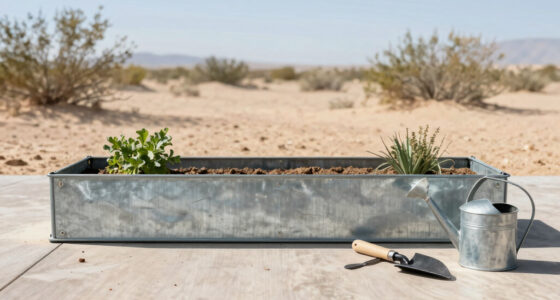
If you want a garden that practically takes care of itself during your busy or travel-heavy months, this method is worth knowing. It’s a water-wise, low-maintenance way to grow tomatoes, peppers, lettuce, and herbs — even in the desert heat.
Wicking beds can cut water use by up to 70%, making them perfect for dry, hot climates.
They keep soil consistently moist, reducing plant stress and improving yields.
Building one is straightforward — just include a reservoir, barrier, and good soil mix.
Regular maintenance and mosquito-proofing are key to long-term success.
Upgrade with automation and eco-friendly materials for even less hassle and better sustainability.
What Exactly Are Wicking Beds and How Do They Work?
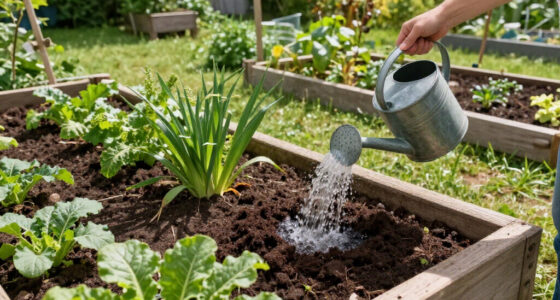
Wicking beds are raised garden beds with a built-in water reservoir at the bottom. The soil sits above a permeable barrier that links to the water below. This setup pulls water upward via capillary action, providing plants with a steady, reliable supply.
Think of it like a sponge, constantly soaking up water from underneath. When you fill the reservoir, plants “drink” from it gradually, not all at once. This keeps the soil consistently moist — perfect for summer veggies that wilt in dry soil.
For example, a gardener in Phoenix built a 4×4-foot wicking bed with recycled plastic for the reservoir and a layer of landscape fabric. Their tomatoes stayed lush even during a 100-degree July heatwave, with only weekly water top-ups.
As an affiliate, we earn on qualifying purchases.
How to Build a Wicking Bed That Won’t Fail in Your Hot Climate
- Choose a sturdy, weather-resistant container or frame, like cedar or recycled plastic.
- Install a water reservoir at the bottom, about a third of the total bed height.
- Lay a permeable fabric or barrier over the reservoir to keep soil out but allow water movement.
- Fill with a good water-retentive soil mix — compost, coconut coir, and some perlite work well.
- Plant your summer vegetables above, making sure roots can reach the water below.
- Fill the reservoir with water, then top it with a layer of mulch to slow evaporation.
For example, a gardener in Tucson built a 3×6-foot wicking bed with a simple pond liner, a float valve for automatic refilling, and a mix of compost and desert-friendly soil. They found it cut watering in half during the peak summer months.
raised garden bed with water reservoir
As an affiliate, we earn on qualifying purchases.
As an affiliate, we earn on qualifying purchases.
Wicking Beds vs. Traditional Garden Beds — How Do They Compare?
| Feature | Wicking Bed | Traditional Bed |
|---|---|---|
| Water use | Reduces by 50-70% | Requires frequent watering |
| Maintenance | Low — refilling reservoir periodically | High — daily or every few days |
| Plant stress in heat | Minimal — steady moisture | High — prone to drying out |
| Suitability for vacations | Excellent | Poor |
| Cost | Moderate, depends on materials | Lower for basic beds |
For example, a gardener comparing both found their wicking bed needed watering only twice a week during peak summer, while a traditional bed needed daily attention. That’s a game-changer for summer trips or long weekends.
automatic watering system for vegetable garden
As an affiliate, we earn on qualifying purchases.
As an affiliate, we earn on qualifying purchases.
Tips to Keep Your Wicking Bed Healthy and Mosquito-Free
- Cover the water reservoir with a tight-fitting lid or mesh to prevent mosquitoes from breeding.
- Use a soil mix that drains well but holds enough moisture — avoid heavy clay.
- Regularly inspect for algae or debris and clean the water surface as needed.
- Check water levels weekly, especially during hot spells, and top off as necessary.
- Maintain good airflow around the bed to reduce humidity and pests.
For example, one gardener added a fine mesh cover to their reservoir, which kept pesky mosquitoes out and saved them from mosquito-borne discomfort during summer evenings.
water-wise vegetable gardening supplies
As an affiliate, we earn on qualifying purchases.
As an affiliate, we earn on qualifying purchases.
Smart Tech and Eco-Friendly Tweaks Making Wicking Beds Even Better
Modern wicking beds now include automated watering systems, moisture sensors, and rainwater harvesting. These upgrades make garden care even easier and more eco-friendly.
For instance, a gardener in California installed a moisture sensor linked to a smartphone app. Now, they get real-time updates on soil moisture and only refill when needed. This saves water and time.
Eco-conscious builders favor recycled materials and solar-powered pumps, reducing their carbon footprint while keeping plants happy. Combining these tech-savvy and green options can turn your wicking bed into a mini-smart garden.
What Vegetables Love a Wicking Bed — And Which Don’t
Most summer vegetables thrive in a well-designed wicking bed. Tomatoes, peppers, lettuce, and herbs like basil love steady moisture and warm soil.
However, root vegetables like carrots or parsnips might struggle unless the bed is deep enough and the soil is loose. Their roots need more space and less risk of waterlogging.
For example, a gardener in Phoenix successfully grew lush cherry tomatoes and sweet peppers, but had trouble with carrots in a shallow bed. Depth and soil structure matter.
Your Quick Guide to Maintaining a Vacation-Ready Wicking Bed
- Check water levels every 3-4 days in hot weather — refill if the soil feels dry.
- Apply a layer of mulch to slow evaporation and keep roots cool.
- Inspect for algae or debris weekly, clean as needed.
- Cover the reservoir to prevent pests, especially mosquitoes.
- Set up automated refilling if possible, for truly hands-off operation.
For example, a gardener with a busy schedule used a simple float valve connected to a water timer, so their garden stayed lush while they were away for a week.
Frequently Asked Questions
How much water does a wicking bed need each week?
It varies with climate and plant size, but in hot weather, most need a refill every 3-4 days, which totals about 2-4 gallons per week for a 4×4 foot bed.Can I use a wicking bed for root vegetables like carrots?
Yes, but ensure the bed is deep enough (at least 12 inches) and has loose, well-draining soil. Shallow or compacted soil can hinder root growth.Will my wicking bed attract mosquitoes?
Possibly, if water stands uncovered. Always cover the reservoir with mesh or a lid, and check regularly to prevent breeding sites.How do I prevent algae buildup in the water reservoir?
Use a dark-colored or covered reservoir, and clean the surface weekly to remove algae or debris, especially in sunny spots.Are wicking beds environmentally friendly?
Yes, especially when built with recycled materials and combined with rainwater harvesting or solar-powered pumps. They reduce water waste significantly.Conclusion
Wicking beds turn the challenge of summer heat and travel into a gardening advantage. With a little effort upfront, you create a garden that practically cares for itself, watering only when needed.
Picture your vegetables thriving while you relax — that’s the real perk of a well-made wicking bed. Ready to make your garden vacation-proof? Start today, and enjoy summer without worry.
NFL season / tailgating Picks
team gear
As an affiliate, we earn on qualifying purchases.