
TL;DR

Get garden gear delivered free with Prime
- Fast, free delivery on millions of items
- Prime Video, Amazon Music and more included
- Member-only deals all year
An Ideal Home gardening report identifies five plants to put in the ground in October for potential winter food or shelter for birds: holly, rowan, hawthorn, crab apple and ivy. The advice is based on expert comments, but planting does not guarantee birds will visit, and the report does not specify local planting conditions or how quickly new plants will provide resources.
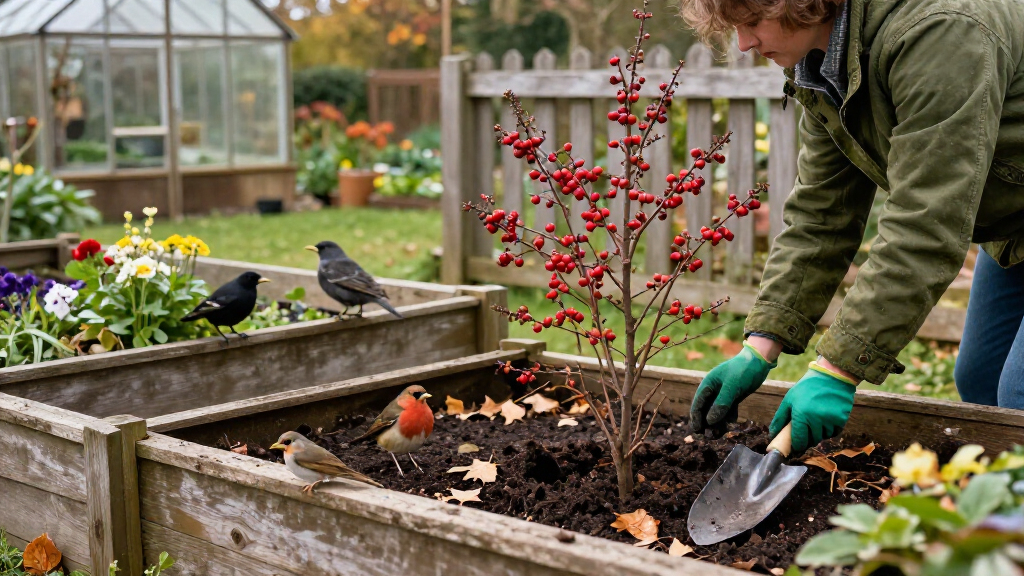
Holly, rowan, hawthorn, crab apple and ivy are five plants gardeners can plant in October to provide birds with potential winter food or shelter, according to wildlife experts quoted in a report by Ideal Home. The suggestions are intended to help species including robins, finches, redwings and blackbirds, although the report does not promise that planting them will attract particular birds or sustain them through winter.
The plants offer different resources. Holly and ivy combine cover with berries or fruit: Amber Tunney, a plant buyer at Cherry Lane Garden Centres, says holly’s evergreen foliage gives birds a sheltered place to roost and its berries can feed thrushes, robins and pigeons. She says mature ivy provides dense cover and produces fat-rich berries that ripen later than many other fruits.
Rowan and crab apple are recommended for their fruit. Designers Thomas Cave Saunders, Amie Wheeldon and Jon Pilling, whose Lifted By Birds Garden was created by Greenfingers for James Hopkins Hospice in Gloucester, say rowan berries feed fieldfares, redwings and blackbirds in early winter. They describe crab apples as small fruits that persist into winter and can provide food for thrushes and winter migrants.
Hawthorn offers a different benefit. Tunney says its dense, thorny growth can give birds places to rest and take cover, making it a possible choice for a wildlife-friendly hedge. The report presents the five plants as garden options; it does not give a planting guide, detail soil or site requirements, or assess how quickly newly planted specimens produce berries, fruit or substantial shelter.
Food and Cover Through Winter
For gardeners hoping to support local wildlife, the suggestions point to a practical way to add resources to a garden beyond seed feeders. Fruit-bearing plants can offer food when supplies are scarce, while evergreen or dense growth can provide cover from cold weather and places to rest. The plants serve different purposes, so their potential value depends on what is already growing and the conditions in the garden.
The advice also highlights a timing distinction: some fruit, such as rowan berries, is described as useful in early winter, while ivy berries ripen later. A mix of plants may extend the period when natural food is available, but the source does not establish how much food any one garden will provide or whether birds will use a particular planting. These are expert recommendations, not a measured comparison of wildlife outcomes.
As an affiliate, we earn on qualifying purchases.
How the Five Plants Differ
The recommendations come from Ideal Home’s article on planting in October to help birds through winter. Its named sources include Tunney and the three designers of the Lifted By Birds Garden. Their comments describe expected benefits rather than reporting results from a controlled trial. The article also refers to gardening advice from Sarah Raven for crab apples, particularly the cultivar ‘Red Sentinel’, whose fruit is said to last for a long time.
October is presented as an opportunity to establish bird-friendly plants before colder months, but the report does not specify a climate zone, planting method or deadline. It also does not say that all five plants are suitable for every garden. Holly, rowan and crab apple are trees or larger plants, hawthorn is discussed as a hedge choice, and ivy is a climber; available space and growing conditions will affect which options are practical.
“Holly is a great choice for a bird-friendly garden, offering both food and shelter.”
— Amber Tunney, plant buyer at Cherry Lane Garden Centres, quoted by Ideal Home
As an affiliate, we earn on qualifying purchases.
Planting Results Depend on Site
The report does not specify which cultivars or plant sizes are best for different gardens, nor does it provide detailed instructions on planting, aftercare or suitability for particular soils and climates. It also does not establish how soon a newly planted holly, ivy, rowan, hawthorn or crab apple will provide meaningful cover or fruit. The benefits described for mature ivy, in particular, should not be assumed to apply immediately to a new plant.
Bird visits and feeding outcomes are not guaranteed. The source offers expert views on what these plants can provide, but gives no survey data, counts of birds or comparison with gardens without the plants. It does not explain how the plants might serve finches specifically, despite the headline’s broader list of bird groups. The report also does not address whether particular plants are appropriate for every site or how gardeners should manage them near buildings.
As an affiliate, we earn on qualifying purchases.
Choosing Plants for Your Garden
Gardeners considering the recommendations can match a plant to the resource they want to add: berries from holly, rowan or crab apple; cover from hawthorn or ivy; or a combination of food and shelter. Before buying, they will need to check whether the plant’s mature size and growth habit suit their available space. The Ideal Home report includes retailer listings, but prices and stock can change and are not evidence of suitability for a particular garden.
As the season progresses, the relevant next step is to observe whether plants establish and produce the fruit or cover described by the experts. The source does not announce a follow-up study or provide a schedule for new planting advice. Further guidance would be needed for location-specific planting choices and care, while any claims about attracting or supporting particular bird species should remain qualified until observed.
As an affiliate, we earn on qualifying purchases.
Key Questions
Which five plants does the report recommend?
Holly, rowan, hawthorn, crab apple and ivy are the five plants named by Ideal Home, based on comments from wildlife and garden experts.
Which of the plants are described as food sources?
The report identifies holly, rowan, crab apple and mature ivy as producing berries or fruit that birds may eat. It describes hawthorn mainly as a source of shelter and cover.
Does planting these plants guarantee birds will visit?
No. The article gives expert recommendations about potential food and shelter, but reports no data showing that planting these species guarantees visits or a particular effect on bird numbers.
Will newly planted ivy provide berries straight away?
The report refers to mature ivy producing berries. It does not say how long a new plant takes to mature, so immediate fruiting should not be assumed.
Are all five plants suitable for every garden?
The report does not assess suitability for every site. Gardeners should check the plant’s mature size, growth habit and local growing conditions before choosing what to plant.
Source: rss
Halloween Picks
halloween
As an affiliate, we earn on qualifying purchases.