TL;DR

Get garden gear delivered free — and shop member deals
- Fast, free delivery on millions of items
- Access to Prime Big Deal Days deals on October 6–7
- Prime Video, Amazon Music and more included
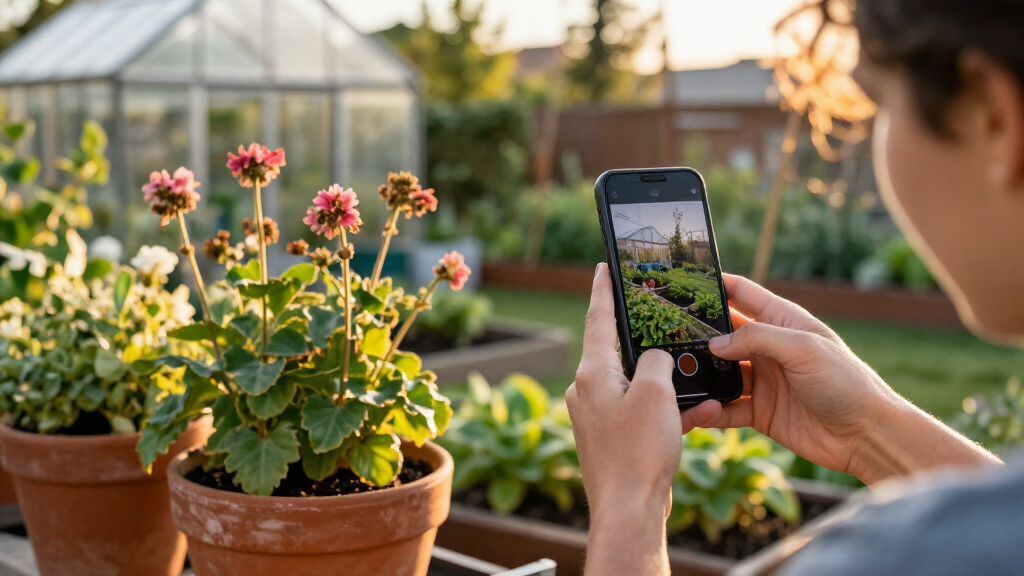
Planet Natural recommends taking 12 types of garden photos before fall cleanup, from entry views and changing light to irrigation and plant health. The images can help gardeners record observations and identify questions to address when planning next year, though photos alone may not establish why a plant struggled.
Planet Natural has published a 12-photo fall garden audit intended to help gardeners preserve observations about light, layout, water and plant performance before cleanup removes the season’s evidence. The checklist offers a practical record for next year’s planning, while its recommendations are guidance rather than a guarantee that any single photo will diagnose a garden problem.
The checklist starts with broad views: photograph the garden from places people regularly enter, such as a gate, patio or kitchen door, then take a wider view from the highest practical vantage point. Those images can help show circulation, bed shapes, empty areas and views that might benefit from a focal point, screening or a wider path.
It also calls for photos of morning shade and afternoon exposure, gaps and bare soil, crowded plants, irrigation hardware, runoff or persistently dry areas, pest or disease symptoms, supports, strong-performing plant combinations and harvests shown beside a familiar object for scale. For symptoms, Planet Natural advises taking both a close-up and an image showing the whole plant or bed. For light, it recommends returning at different times of day because one image cannot capture how conditions change.
After the walk, gardeners can attach short notes to useful images, recording observations such as the time a bed falls into shade or where a drip line leaks. The report suggests keeping the photos in a year-labeled folder with five numbered categories: sun and views; layout and planting; water and soil; pests and plant health; and supports, harvests and successes.
A Record for Next Season’s Decisions
The checklist addresses a common planning problem described by Planet Natural: once plants are removed and seasons change, gardeners may misremember where shade fell, which crops struggled or where watering equipment leaked. A photo record can preserve the location and appearance of those conditions, giving gardeners something concrete to review before moving plants, changing beds or buying supplies.
The approach also separates an observation from a diagnosis. A yellow leaf in a photograph records a symptom, but it does not by itself show whether the cause was nutrition, watering, disease or another factor. Pairing images with notes about location, light and recent care may make later investigation more useful, particularly if a gardener seeks help identifying a pest or plant-health issue.
Why Photograph Before Cleanup
Fall cleanup changes the garden by removing plants, supports and other details that may help explain how the season went. Planet Natural’s report frames a short photo walk as a field record: first capture the setting, then take close-ups that show details in context. It advises postponing editing and sorting until after the walk so the record can be made quickly.
The report also recommends photographing irrigation routes and hardware while they remain visible, and documenting runoff or dry soil after a normal watering when possible. Gardeners can turn the images into a simple yearly archive. The source does not provide research findings or measured results showing how much the method improves garden outcomes.
What Photos Cannot Establish
The checklist does not show that photographs alone can identify causes of poor growth, pests, disease, drainage trouble or low yields. Planet Natural advises keeping a close-up alongside a wider image and adding notes about sun exposure and recent care when a diagnosis may be needed. The source gives no independent evaluation of the method or evidence that following all 12 steps leads to better harvests.
It also does not specify a publication date, a particular growing region or a season-specific schedule. Light, rainfall, soil and plant needs vary by site, so the suggested planning questions need to be considered alongside local conditions. The report leaves decisions such as whether to amend soil or change watering open for further investigation.
Review the Record Before Planting
After taking the pictures, gardeners can back them up, sort them into the suggested folders and add concise notes to the images that matter. When planning begins, they can compare those records with their goals and decide which issues call for a layout change, repair, repeat planting or closer diagnosis. The source sets no formal follow-up date; the next step is to revisit the notes before the next planting season.
Key Questions
Which garden photos does the checklist recommend?
It recommends 12 views covering entry and overhead perspectives, morning and afternoon light, gaps, crowding, irrigation, wet or dry areas, plant-health symptoms, supports, successful combinations and harvest scale.
Why take photos before fall cleanup?
Cleanup can remove plants and hardware that help explain how the garden performed. Photos preserve a record of those conditions for later planning.
How should I photograph a pest or disease problem?
Planet Natural recommends taking a close-up and a second photo of the whole plant or bed. Notes about the location, sun exposure and recent care can add useful context.
Can a photo identify why a plant has yellow leaves?
Not by itself. The report treats a yellow leaf as an observation, while the cause remains a hypothesis that may require more information or investigation.
How does the report suggest organizing the images?
It proposes a year-labeled “Fall Garden Audit” folder with five numbered folders for sun and views; layout and planting; water and soil; pests and plant health; and supports, harvests and successes.
Source: rss
Fall yard work Picks
leaf blowers
As an affiliate, we earn on qualifying purchases.