
TL;DR

Get garden gear delivered free — and shop member deals
- Fast, free delivery on millions of items
- Access to Prime Big Deal Days deals on October 6–7
- Prime Video, Amazon Music and more included
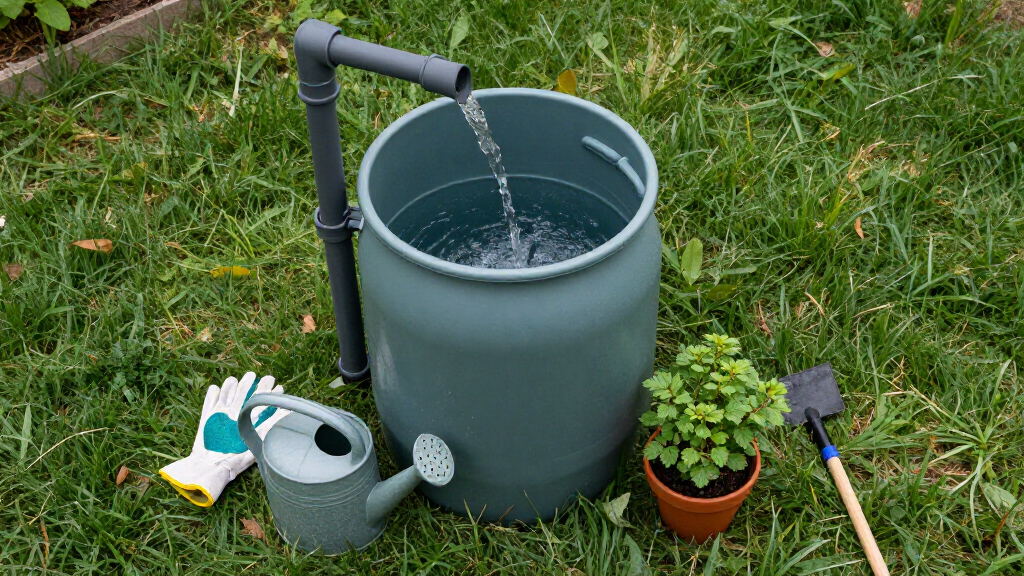
Preparing rain barrels ahead of the first monsoon storm is key. Clear debris, install screens, and set overflow routes to capture clean water safely and avoid flooding or mosquito problems.
When the first thunderheads roll in, your rain barrel should be ready to do its job — not a muddy mess or mosquito breeding ground. That means a thorough prep session happening weeks before the first monsoon cell hits. If you wait until rain is already pouring, it’s too late to fix leaks, debris, or overflow issues. You need to get ahead of the storm, not chase after it.
This guide will walk you through the essential steps to make sure your rain harvesting system is airtight, clean, and ready to handle the wild, wind-blown rainstorms that define desert monsoons. A little effort now saves you headaches later — overflowing foundations, mosquito larvae, or contaminated water. Let’s get your rain barrels in shape for the season ahead.
Inspect and clean your rain barrel and system components at least 4 weeks before monsoon season starts.
Install fine mesh screens over all openings and secure the lid tightly to prevent mosquitoes and debris from entering.
Prepare a large, stable overflow route directed away from foundations and walkways to handle intense storms.
Test the entire system with water weeks before the first storm to catch leaks or blockages early.
Remember: untreated roof runoff isn’t safe for drinking or eating—use it mainly for ornamental landscaping and be cautious with edible crops.
Getting Rain Barrels Ready Before the First Monsoon Cell
Prepare before thunderheads form. A clean, screened, stable barrel with a tested overflow route can capture useful stormwater without creating contaminated water, mosquito habitat, foundation flooding, or a dangerous tipping hazard.
Inspect, clean, repair, and test while conditions are still dry.
A filled 55-gallon barrel needs a compact, level, load-bearing base.
Intense monsoon rain can fill a barrel within minutes.
Typical residential barrel
Enough rain to fill one barrel
Fine barrier on every opening
Runoff from one inch before losses
Six checks before the sky changes
Months of heat, dust, pollen, animal waste, and wind-blown debris can compromise the entire collection path. Work from the roof to the final overflow outlet, correcting small failures before high-volume water exposes them.
Empty, scrub, inspect
Remove sediment, algae, leaves, and insects. Use water and, if necessary, a mild unscented cleaner; rinse thoroughly. Check for cracks, brittle plastic, UV damage, weak seals, and leaking fittings.
Clear every channel
Clean roof valleys, gutters, downspouts, inlet screens, the first-flush diverter, and overflow line. Even a small blockage can cause backup, dirty water, erosion, or foundation damage.
Divert the first wash
The initial runoff often carries the highest concentration of dust, droppings, ash, roofing particles, and organic matter. Confirm the first-flush device drains and resets correctly.
Screen and seal
Fit fine mesh over inlets, vents, and overflows. Repair gaps and secure the lid against wind, wildlife, children, and pets. Standing water must remain inaccessible to mosquitoes.
Level the full load
Use compacted gravel, a reinforced platform, or a purpose-built stand. Avoid loose soil and unsupported pavers. If elevated, anchor the stand and verify its full-load rating.
Route excess safely
Make the overflow outlet at least as large as the inlet—preferably larger. Send water toward a rain garden or stable permeable area, away from buildings, paths, septic systems, and slopes.
Remove loose debris and check materials.
Restore a clear, fast collection path.
Divert the dirtiest initial runoff.
Capture water behind sealed mesh.
Disperse excess away from structures.
A small storm creates a large flow
Barrel capacity is only one part of stormwater planning. The roof is a large collection surface, and a brief monsoon burst can send several barrel-loads toward one inlet.
One inch of rain on a 1,000-square-foot roof produces about 623 gallons before collection losses—more than eleven 55-gallon barrels.
Capacity insight: during a one-inch storm, a 55-gallon barrel can fill from only about 90–110 square feet of roof. Overflow control matters more than storage capacity alone.
Keep the route open, stable, and visible. Direct overflow away from foundations, walls, walkways, neighboring property, septic systems, and erosion-prone slopes. A rain garden, dry creek bed, or other permeable area can slow and absorb the excess.
Ready, risky, or unacceptable?
Use this quick comparison to audit the system. The safest setup controls debris, insects, structural load, and excess flow as one connected system.
| System element | Ready for monsoon | Needs attention | Why it matters |
|---|---|---|---|
| Barrel and fittings | ✓Clean, intact, leak-free | ✗Brittle, cracked, or dripping | Small defects can fail under a 460-pound load. |
| Openings and lid | ✓Fine mesh and secured lid | ✗Gaps, torn screen, loose cover | Blocks mosquitoes, debris, wildlife, and accidental access. |
| First-flush control | ✓Clear, draining, operational | ~Clogged or bypassed | Separates concentrated roof contamination from stored water. |
| Base and stand | ✓Level and load-bearing | ✗Loose soil or unstable pavers | Prevents sinking, sliding, and tipping during storms. |
| Overflow outlet | ✓At least inlet size | ✗Undersized or obstructed | Allows intense inflow to escape without backing up. |
| Overflow destination | ✓Stable permeable area | ~Pavement, wall, or steep slope | Reduces pooling, erosion, pollution, and property damage. |
Stored runoff is non-potable
Screening removes large debris and helps exclude mosquitoes, but it does not remove microbes, dissolved chemicals, or metals. Do not assume untreated roof runoff is safe for drinking, cooking, bathing, or children’s pools. Label the barrel clearly and use the water mainly for ornamental landscaping.
Use extra caution when…
- The roof contains copper, lead, treated wood, or deteriorating coatings.
- Pesticides, moss killers, sealants, or cleaners were recently applied.
- Wildfire smoke or ash has settled on the collection surface.
- Water may contact leafy greens or produce eaten raw.
- Someone in the household is medically vulnerable.
Run a dry-season storm test
Weeks before monsoon season, use a hose to simulate runoff. Watch every connection from inlet to overflow, then correct leaks, backups, unstable components, and unsafe drainage while the ground is still dry.
Run water through the collection path
Confirm gutters and downspouts move water freely without spilling or backing up.
Inspect seals, spigot, and fittings
Look for drips under pressure and repair weak connections before the barrel fills.
Fill until the overflow activates
Verify that excess water exits quickly and reaches the intended permeable destination.
Create room before the next storm
Use stored water between storms; a barrel that is already full provides no added control.
Roof and gutters
First dirty wash
Every opening
On a stable base
Overflow safely
How to Clean and Inspect Your Rain Barrel for Safe Stormwater Capture
Start with the basics: your rain barrel needs a good scrub and a careful check. Remove sediment, algae, leaves, and bugs that have settled during months of dry heat. Look for cracks, brittle plastic, or leaks around fittings and seals. UV damage from relentless sun can weaken plastic over time. If you spot any damage, replace or repair before the storm hits.
For example, I once found a cracked spigot on a barrel that hadn’t been checked since last year. That crack was a tiny leak, but during a heavy rain, it would have dumped gallons onto my foundation or pavement. Regular inspection prevents surprises when the rain starts pouring.
When cleaning, use water and a mild, unscented cleaner—no bleach or harsh chemicals. Rinse thoroughly so no residues remain. You don’t want to introduce chemicals into the next batch of stormwater, especially if you plan to use it for landscaping.
Deep inspection is crucial because small cracks or weakened fittings can quickly become major leaks when filled with heavy rain. Over time, UV exposure can cause plastic parts to become brittle, increasing the risk of sudden breakage. Addressing these issues early not only prevents water loss but also reduces the risk of structural failure or contamination—both of which could compromise your entire rain harvesting system during a storm.
As an affiliate, we earn on qualifying purchases.
How to Clear and Maintain the Entire Collection Path for a Smooth Flow
Every part of the collection system needs a quick once-over. Check roof valleys for debris, clean gutters and downspouts, and make sure inlet screens and first-flush diverters are free of leaves, twigs, and dust. These blockages slow or stop water flow, and dirty debris can clog the system during storms.
For instance, I do a quick sweep of my roof and gutters a week before monsoon season. Last year, I found a nest of bird feathers that would have blocked the flow during a heavy rain. Clearing it all out ensures the water moves swiftly into the barrel without backing up.
Pay special attention to the first-flush diverter. It’s designed to divert the dirtiest part of the roof wash. If it’s clogged or bypassed, all that debris ends up in your barrel, making the water murky and breeding mosquitoes.
Proper maintenance of the entire collection path is vital because even minor blockages can cause significant issues during heavy rains. A clogged gutter or diverter not only hampers water collection but also increases the risk of overflow or water backing up, which can lead to basement flooding or damage to your foundation. Regularly clearing debris and ensuring smooth flow helps maintain water quality, prevents mosquito breeding sites, and prolongs the life of your system.
As an affiliate, we earn on qualifying purchases.
How to Install Mosquito-Proof Screens and Secure Your Barrel Lid
Mosquitoes breed quickly in standing water, especially during warm monsoon nights. Your rain barrel must be sealed tight to prevent them from laying eggs. Use fine mesh screens—at least 150-mesh—that fit snugly over all openings, including inlet, overflow, and vents.
For example, I added a screen over my overflow pipe last summer after noticing mosquito larvae in the water. The mesh kept them out, and I didn’t have to worry about stagnant water becoming a mosquito hatchery again.
Ensure the lid is secure and heavy enough to resist wind and accidental knocks. The lid should not only fit tightly but also be locked or weighted down to keep out children, pets, and wildlife. This prevents accidental drowning or ingestion of contaminated water.
Proper screening and securing are crucial because mosquitoes can lay hundreds of eggs in just a few days, turning your rain barrel into a breeding ground if not adequately protected. A well-fitted, mosquito-proof lid reduces the risk of disease transmission and keeps your water clean. Weighing down the lid and ensuring all openings are covered creates a barrier that mosquitoes cannot penetrate, safeguarding your water and your household from potential health hazards.
As an affiliate, we earn on qualifying purchases.
How to Stabilize and Elevate Your Rain Barrel for Safety and Pressure
A full 55-gallon barrel weighs about 460 pounds. Placing it on a sturdy, level base prevents tipping or sinking. Use a load-bearing platform made of compacted gravel, pavers, or a dedicated stand designed for heavy containers.
For example, I once placed my barrel on a patch of compacted gravel with a wooden frame. When a big storm hit, the water’s weight pushed down evenly, and the barrel stayed put. Do not put barrels on unsupported pavers or loose soil—heavy rain can shift or topple them, risking damage or injury.
If you elevate the barrel, make sure the stand can support the weight and is anchored to prevent sliding during high winds. Elevation helps gravity feed water to your hose or spigot, making watering easier.
Proper stabilization isn’t just about preventing accidents; it also ensures consistent water pressure. An unstable barrel can shift or fall, causing damage or creating a safety hazard. Using a solid, level foundation distributes the weight evenly, reduces the risk of tipping, and maintains system integrity during storms.
As an affiliate, we earn on qualifying purchases.
How to Set Up Overflow and Drainage to Prevent Flooding
Overflow management is the most crucial part of monsoon prep. During intense storms, your barrel can fill in minutes. Use an overflow outlet at least as large as your inlet—preferably bigger—and direct excess water away from foundations, walkways, and neighboring properties.
For example, I installed a 2-inch overflow pipe that directs excess water into a rain garden. During a recent storm, my barrel filled quickly, but the overflow kept water flowing safely away, avoiding any pooling around my house.
Plan your overflow route carefully. It should lead to a permeable area—like a rain garden or dry creek bed—that can absorb the extra water without erosion or runoff problems. Avoid directing overflow onto driveways or streets, where it can cause hazards or pollution.
Effective overflow systems are essential because, during heavy storms, the capacity of your barrel can be exceeded rapidly. Without proper drainage, water can pool around your foundation, seeping into basements or causing erosion to your landscaping. Properly designed overflow routes help manage these risks by channeling excess water away safely, preserving your property’s integrity and reducing cleanup efforts after storms.
How to Test Your System Before the First Big Storm
Testing your rain harvesting setup before the monsoon arrives is essential. Connect a garden hose to your gutter or inlet and run water through all connections—diverters, screens, spigots, and overflow—to ensure everything flows smoothly without leaks or blockages.
For instance, I do a quick test a few weeks before monsoon season. During testing, I noticed my diverter was slow to drain, so I adjusted the angle. That small tweak prevented backups during heavy rain last year.
This proactive step helps you spot issues early, saving you from surprises during storms. Check all seals, screens, and outlets and fix any problems immediately.
Deep testing is important because small issues like loose fittings or clogged screens can become major problems when overwhelmed by heavy rain. Identifying and fixing these issues beforehand ensures your system can handle the volume, reducing the risk of overflow, leaks, or contamination, which could compromise water quality or cause property damage during a storm.
How to Plan for Water Use and Stay Safe During the Monsoon
Untreated roof runoff is generally non-potable. Label your barrel clearly, and use the water mainly for ornamental plants or landscape irrigation. Avoid using it for vegetables or children’s pools unless you treat it properly.
For example, I use my rain barrel water for my xeriscape beds, avoiding contact with edible crops. I also stop watering a day before harvest to reduce any potential contaminants.
Remember, roof runoff can contain salts, metals, or ash, especially after wildfires or dust storms. When in doubt, stick to using the water for non-edible plants and keep it away from children and pets.
Understanding the potential contaminants in roof runoff emphasizes the importance of proper water management. Using untreated water for edible crops or children’s play areas can pose health risks, especially if the water has been contaminated by pollutants or ash. Proper labeling and cautious use help prevent accidental ingestion or contact with contaminated water, safeguarding your family’s health while making the most of your stormwater harvesting system.
Frequently Asked Questions
When should I prepare my rain barrel for the monsoon?
Inspect and clean your rain barrel at least 4 weeks before the typical monsoon onset. Do a final check when storms are forecasted to ensure everything is ready for the first big rain.Should I collect the first rain of the season?
It’s best to bypass or divert the initial roof wash, especially after a long dry spell or wildfire. This initial runoff often carries the dirtiest debris and ash, contaminating your water and attracting mosquitoes.How much water should I divert during the first flush?
There’s no universal rule; it depends on your roof size, cleanliness, and local guidance. Larger or dirtier roofs generally need more diversion — a common range is 0.5 to 2 gallons per 1000 sq ft of roof area.Can I drink rain-barrel water?
Not without proper treatment. Ordinary rain barrels aren’t designed for potable use. They are best for landscape watering, and you should treat or filter the water if you plan to use it for drinking or cooking.How do I prevent mosquitoes from breeding in my rain barrel?
Use tightly fitting mesh screens over all openings, keep lids secure, and eliminate standing water in hoses or overflow pipes. Regularly inspect and clean the barrel to remove larvae and debris.Conclusion
Getting your rain barrel ready before the first monsoon cell isn’t just good practice — it’s a way to protect your home, garden, and peace of mind. Proper cleanup, screening, and overflow planning turn a muddy, mosquito-prone tank into a reliable water source. A little prep now means fewer headaches during the wildest storms of the season.
Think of your rain harvesting system as a smart, weather-ready friend. When storms arrive, it’ll handle the rain with confidence, giving you clean water and peace of mind. Don’t wait for the first big storm — prepare now, and stay ahead of the monsoon chaos.
Fall yard work Picks
leaf blowers
As an affiliate, we earn on qualifying purchases.