TL;DR

Get garden gear delivered free — and shop member deals
- Fast, free delivery on millions of items
- Access to Prime Big Deal Days deals on October 6–7
- Prime Video, Amazon Music and more included
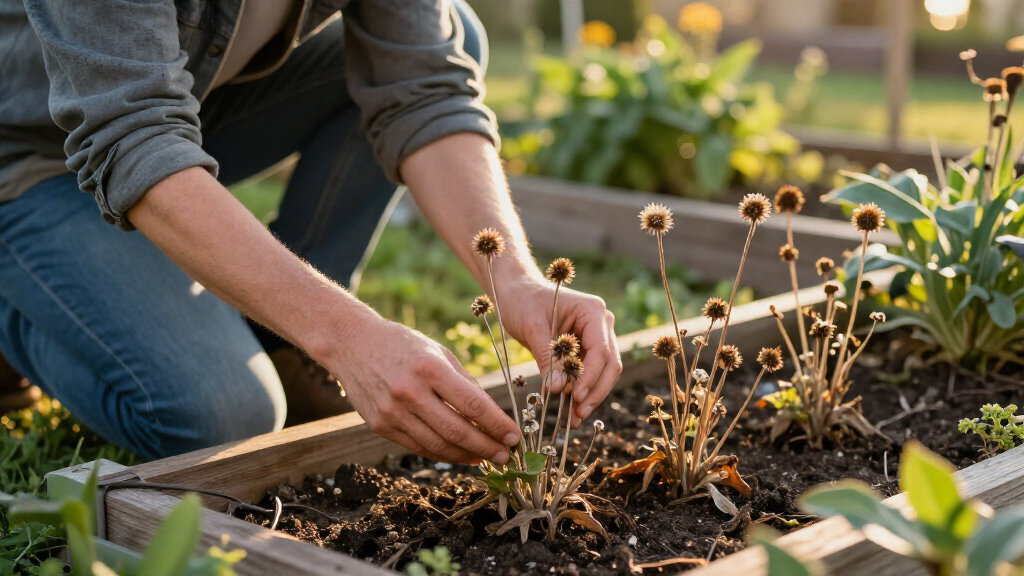
In late winter, a brown plant isn’t automatically dead. Many desert perennials survive drought, frost, and dormancy by hiding their life below ground. Learning to read signs of life versus death helps you care for your garden wisely.
Late winter in the desert can feel like a guessing game. The landscape often looks dull, with many plants reduced to brown, brittle stems. It’s tempting to assume everything’s dead. But here’s the truth: many desert perennials hide their life underground or in woody stems, waiting for the right moment to burst back to life.
Knowing how to read the signs of life from the dead can save you from unnecessary work or misguided removal. This guide walks you through how to distinguish between a plant that’s truly gone and one that’s just resting or weathering the season. It’s about understanding desert plants’ unique rhythms and what signs indicate resilience, even when they look dormant.
A brown or leafless desert perennial isn’t necessarily dead; it may be resting underground or in woody stems.
Look for subtle signs of life, like swelling buds or moist tissue beneath bark, before pruning or replacing plants.
Assess multiple stems and check during the plant’s normal growth season for a more accurate diagnosis.
Avoid heavy winter watering or indiscriminate pruning that can damage stressed but alive plants.
Patience and careful observation are your best tools for reading desert plants in late winter.
Dormant or Dead:
Reading Desert Perennials in Late Winter
Brown stems tell only part of the story. Roots, crowns, and protected woody tissue may still be alive—waiting for the right combination of moisture and temperature.
Frost, drought, and dormancy.
Identify, inspect, and revisit.
Dead tips do not prove dead roots.
There is no universal spring deadline.
Same brown appearance. Different stories.
Warm-season plants may still be resting while cool-season neighbors grow. Some species respond strongly to rain. Elevation, exposure, and cold-air pockets also shape winter injury.
Outer growth takes the hit
Tips and exposed stems may die while protected stems and the crown survive.
Read the pattern: damage on one branch describes that branch, not the entire plant.
Leaves may be shed
A plant can reduce its leaf area during dry conditions while living tissue persists elsewhere.
Read the soil: rainfall totals alone cannot tell you how much moisture reached the roots.
Life can retreat below ground
Herbaceous perennials may lose their tops and later regrow from crowns or underground structures.
Read the species: woody shrubs and herbaceous perennials need different assessments.
| What you find | What it suggests | What to do next |
|---|---|---|
| New shoots or swelling buds | Living tissue is present. | Protect the growth and observe its progress. |
| Moist, greenish tissue under bark | That part of a woody stem is alive. | Keep it; assess other areas only as needed. |
| Dry, brittle tops or bare stems | Old growth, injury, or stress; survival remains uncertain. | Check the crown and the plant’s normal growth habit. |
| Mushy crown, collapse, or foul odor | Possible decay rather than simple dormancy. | Investigate drainage and damage promptly. |
Follow the signs of life.
Start with observation. Use a tiny stem check only where appropriate, then let the plant’s own growing season provide more evidence.
-
01
Identify the plant
Does it normally stay evergreen, shed leaves, or die back? Compare nearby plants of the same species, allowing for differences in exposure and irrigation.
-
02
Look at the base
Check near the crown for swelling buds, tiny shoots, or new leaves. Their presence shows life; their absence in late winter does not prove death.
-
03
Check woody stems selectively
A tiny, shallow scratch may reveal moist, greenish tissue. If one spot is dry and brown, assess a few other stems as needed. Avoid repeated wounds.
-
04
Inspect for decay
Look for soft, collapsing tissue, a mushy crown, or a foul smell. These clues deserve attention; they are different from dry, standing stems.
-
05
Revisit during its normal growing season
Take dated photographs and compare changes as suitable temperatures and moisture return. Persistent lack of growth strengthens concern, but no single date or number of warm days diagnoses every species.
Scratch-test boundary: use only on appropriate woody stems—not succulent leaves or fleshy stems. Dead aboveground growth can coexist with living roots.
Give evidence time to emerge.
Patience is useful when the diagnosis is uncertain. Visible decay, however, calls for closer assessment rather than simply waiting for spring.
Observe and match the plant’s needs
- Check root-zone conditions. Soil texture, drainage, and irrigation placement matter alongside rainfall.
- Distinguish new from established plants. Recent transplants may have different irrigation needs.
- Prune with context. Follow the species’ growth habit and local frost conditions.
- Keep useful standing growth where appropriate. Stems and seed heads can provide wildlife resources.
Do not force a “wake-up”
- No heavy watering by default. Extra water can worsen decay in cold, poorly drained soil.
- No fertilizer before diagnosis. First understand why the plant looks stressed.
- No blanket cutback. Cutting every brown stem may remove living buds or flowering wood.
- No exploratory digging. Exposing roots merely to check for life can cause further damage.
From first glance to a better decision
Species + local weather + growing conditions
Buds + crown + suitable stem checks
Dated observations during normal growth
Retain, prune selectively, or investigate decline
Why desert plants follow their own seasonal schedule
Desert perennials don’t follow the same calendar as garden plants in cooler zones. Some respond more to rainfall than to dates on the calendar. For example, a desert lavender might stay dormant during a dry winter, only greening up after a rain. Conversely, cool-season plants like desert mints might already be sprouting fresh shoots in late winter, especially if moisture is abundant.
This variability means you can’t rely solely on the calendar to judge health. Instead, observe local weather patterns and how your specific plants respond. A plant that’s green in late winter may be thriving, while a brown one might just be resting.
Understanding these patterns is crucial because misjudging a dormant but healthy plant as dead could lead to unnecessary removal, which might be difficult or impossible to reverse. Conversely, mistaking a truly dead plant for dormant can result in missed opportunities to replace or support it. Recognizing the nuances helps you manage your garden more effectively and supports the resilience of desert species adapted to unpredictable conditions.
desert plant dormant detection tools
As an affiliate, we earn on qualifying purchases.
As an affiliate, we earn on qualifying purchases.
Frost, drought, and dormancy: Why they look alike in winter
Frost damage, drought stress, and natural dormancy all produce similar visual cues—plants appear brown, leafless, or shriveled. But these conditions have different implications for plant health. Frost damage often affects only the tips or outer stems, sometimes killing a small part but leaving the core alive. Drought stress causes leaves to fall and can make stems look lifeless, but the roots and crown may still be viable. Dormancy, on the other hand, is a survival strategy where the plant intentionally halts aboveground activity to conserve resources during unfavorable conditions.
These similarities matter because they influence how you should respond. For example, pruning a frost-damaged plant too early might remove tissue that could recover if the roots are still alive. Drought-stressed plants may need different watering strategies rather than immediate removal. Recognizing whether the plant is simply conserving energy or truly dead can prevent unnecessary work or mistakes that could jeopardize its recovery.
Furthermore, understanding these distinctions helps you weigh the tradeoffs—sometimes, a plant that looks dead might recover with patience, saving you the effort and expense of replanting. Conversely, ignoring signs of actual death can lead to wasted resources and a less resilient garden. The key is to interpret visual cues in context, considering environmental factors and the plant’s typical responses.
As an affiliate, we earn on qualifying purchases.
How to tell if your desert perennial is dormant or dead
Here’s a step-by-step approach to diagnosing a brown plant:
- Identify the species. Know whether it normally sheds leaves or stays evergreen in winter. This knowledge provides context because some plants naturally lose their foliage seasonally, which isn’t a sign of death but of adaptation. For example, desert globemallow often loses its leaves, while creosote stays mostly green. Recognizing this helps prevent misdiagnosis and guides your expectations about what signs of recovery to look for.
- Examine the base. Look for swelling buds, tiny shoots, or new leaves near the crown. These are critical indicators because they show the plant is actively preparing for growth. The presence of these signs suggests resilience, even if the aboveground parts are brown or absent. Missing these signs doesn’t necessarily mean death—sometimes, signs of recovery appear later or under specific conditions.
- Check stems carefully. On woody plants, scratch a shallow spot with a fingernail or knife. Greenish, moist tissue indicates life because it shows ongoing metabolic activity. Dry, brown, or brittle tissue suggests death, but consider that some plants naturally have hard, woody stems that remain brown for years—so look for other signs nearby. This step is about confirming vitality, not just relying on color.
- Inspect for decay or damage. Soft, mushy tissue, a foul smell, or a sunken crown point to rot rather than dormancy. Recognizing decay is essential because it signals that the plant’s core tissues are compromised, and recovery might be unlikely without intervention. This assessment influences whether you should give the plant time to recover or remove it to prevent spread of disease.
- Revisit in spring. Take photos, keep notes, and watch for new growth as the weather warms. Comparing early spring signs with previous observations can reveal whether the plant was merely dormant or truly dead. Patience is vital, as some species are slow to show signs of revival.
For example, if you scratch a branch of Baja fairy duster and see green tissue, chances are good it’s still alive. If the entire plant remains brown after several weeks of warm weather, it might be dead. This method emphasizes the importance of multiple observations over time, reducing the chance of premature judgments.
As an affiliate, we earn on qualifying purchases.
What you should avoid doing when diagnosing your plants
Resist the urge to overwater a seemingly dead plant. Heavy watering in winter can cause root rot, especially when soil drainage is poor. Overwatering can drown roots that are already stressed or dormant, leading to decay that might be mistaken for death. It’s crucial to understand the plant’s actual needs during dormancy to avoid creating conditions that exacerbate problems.
Don’t prune aggressively without evidence of dead tissue—cutting back healthy buds or stems can do more harm than good. Pruning too early might remove tissue that could recover, especially if the plant is merely dormant. Instead, wait for signs of active growth or until late winter, when the risk of damaging new buds is lower.
Also, avoid digging up roots just to check for life. Roots and crowns are critical indicators, but unnecessary disturbance can stress or damage the plant further, reducing its chances of recovery. If you suspect death, consider gentle methods like scratching stems or observing growth over time before resorting to excavation.
Remember: patience and careful observation beat haste. Plants often surprise us by sprouting from the most unexpected spots, and rushing can reduce those chances.
As an affiliate, we earn on qualifying purchases.
Key signs of life to look for in late winter
Some concrete signs include swelling buds, greenish tissue beneath bark, or tiny new shoots emerging near the crown. For example, a creosote bush might look like a brown stick, but if you see a faint swelling or a hint of green at the base, it’s a good sign that the plant is still alive and ready to rebound. Recognizing these signs is vital because they indicate the plant’s resilience and potential for recovery, even when it appears dead at first glance.
Evergreens like desert holly may retain some color but still suffer winter injury. Always check multiple stems and consider the plant’s typical winter behavior—some might appear brown but are still alive beneath the surface. The key is to look for consistent signs of vitality across different parts of the plant, which reduces the risk of misjudging a stressed but living specimen as dead.
Remember: patience is key. Some plants take longer to recover, especially if they’re young or under stress, so giving them time and multiple assessments increases your chances of successful revival.
In summary, look for swelling, green tissue, and new growth as practical, reliable indicators of resilience, guiding your decisions with confidence and care.
When to expect new growth and how to prepare for it
Most desert perennials start pushing out new growth as soil warms and rainfall increases. For example, desert marigold can send up bright yellow shoots in early spring, often as early as late February if conditions are right. The timing of emergence depends heavily on weather patterns—warmth, moisture, and sometimes day length trigger growth responses.
Keeping a record of your plant’s typical emergence times can help you anticipate recovery and plan care accordingly. Take photos monthly, compare year-to-year, and note any delays or early signs of growth. A plant that shows swelling buds or tiny leaves is signaling that it’s on its way back, and this is when you can start considering supportive actions like light watering or minimal pruning.
Avoid heavy pruning or fertilizing until you see consistent new growth because premature intervention can stress the plant further. Let the plant recover naturally, then support it with gentle watering and minimal disturbance. Patience during this phase increases the likelihood of a full and healthy comeback, especially for stressed or young plants.
Frequently Asked Questions
How can I tell whether my perennial is dormant or dead?
Check for swelling buds, green tissue beneath bark, or tiny new shoots near the crown. Scratch stems gently to see if the tissue is moist and green. Patience is key—wait for signs of life before removing or pruning.When should this particular plant begin growing again?
Most desert perennials start emerging in early spring, often as soil warms and moisture increases. Keep a watch for swelling buds or tiny leaves, which indicate recovery. Exact timing varies by species and weather conditions.Can a plant recover if every visible stem looks dead?
Yes, especially if the roots or crown are still alive. Signs like swelling buds or green tissue beneath bark suggest resilience. Sometimes, patience and gentle care lead to a surprising comeback.Does green tissue under the bark guarantee recovery?
It’s a good sign, but not a guarantee. Check multiple stems and monitor over time. If new growth appears, the plant is likely on its way back. If not, wait until the next season before making final decisions.Should I prune frost-damaged growth now or wait?
Wait until you see clear signs of new growth or until late winter if the damage is minor. Pruning too early can remove potential buds or healthy tissue. Be gentle and selective—removing only obviously dead material.Conclusion
In the desert, a brown plant can still hold the promise of new life. Learning to read its signs — swelling buds, green tissue, or tiny shoots — saves you from unnecessary work and helps your garden flourish.
Next time your landscape looks dull, remember: patience, observation, and a gentle touch reveal what’s truly alive beneath the surface. Your desert garden’s resilience is often hidden, waiting for the right moment to surprise you.
Fall yard work Picks
leaf blowers
As an affiliate, we earn on qualifying purchases.