
TL;DR
A Country Living gardening report says Christmas cacti can be encouraged to bloom with six weeks of long, uninterrupted nights and cooler fall temperatures. Once buds appear, keep the plant’s light, temperature and watering consistent to reduce the risk of bud drop.
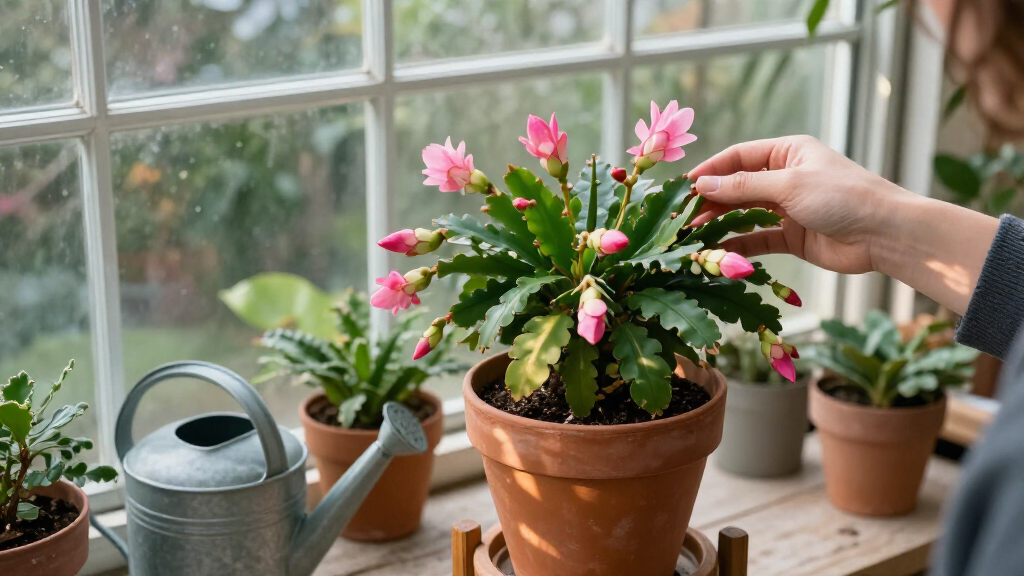
A Country Living gardening report says growers can encourage a Christmas cactus to bloom by giving it 12 to 14 hours of uninterrupted darkness each night for six weeks, along with cooler fall temperatures. The advice matters to owners whose plants have leaves but no buds: holiday cacti respond to changes in light and temperature, and stable care after buds form can help prevent them from dropping.

Get garden gear delivered free with Prime
- Fast, free delivery on millions of items
- Prime Video, Amazon Music and more included
- Member-only deals all year
The report recommends starting the dark period in early fall. Put the plant in a closet overnight or cover it in the evening and uncover it in the morning. During the day, keep it in bright, indirect light. Artificial light at night, including light from a streetlamp, may interrupt the dark period, so the plant needs a location that stays dark.
During the bud-setting period, the report advises nights of about 55 to 60°F and daytime temperatures around 65 to 70°F. A cool room, garage or protected porch may work, provided the plant is kept away from frost, cold drafts and sudden temperature changes. Once buds appear, move it to the display location and avoid shifting it repeatedly or placing it near heating vents, fireplaces or drafty doors.
Water when the top inch of potting mix feels dry, then let excess water drain; see these Christmas cactus fertilizers for feeding options. The plant may need less water in cool, dark conditions, but the soil should not dry out completely or remain soggy. After buds appear, maintain steady light, temperature and watering, and avoid disturbing the plant’s hair-like roots. The report says strong direct afternoon sun can scorch the stems; a little morning sun may be acceptable.
Steady Care Protects New Buds
The guidance gives plant owners a practical explanation for why a leafy holiday cactus may not flower: bright nights and warm fall conditions can interfere with bud-setting. It also separates two stages of care. Before buds form, the focus is on long nights and cooler temperatures; afterward, consistency matters more than continuing to change the plant’s surroundings.
That distinction can help avoid a common problem described in the report: buds dropping after a plant is moved or exposed to abrupt changes in light or temperature. The advice does not guarantee a bloom, but it offers specific conditions growers can try and monitor.
Popular right now

Breville Barista Express Espresso Machine with Grinder, Black Truffle

Ninja Foodi 7-Qt MegaZone FlexBasket Air Fryer, 6-in-1, Black, DZ071

Vitamix VX1 Professional-Grade Blender, 64 oz, Black
As an affiliate, we earn on qualifying purchases.
Holiday Cacti and Their Bloom Cycle
Christmas cactus belongs to the tropical genus Schlumbergera and grows naturally in the shady forests of Brazil, according to the report. That background helps explain why it generally prefers bright, indirect light and more regular watering than desert cacti. The report cautions against treating it like a drought-adapted desert plant.
A plant sold as a Christmas cactus may instead be a Thanksgiving cactus, which often blooms earlier. Country Living says the bloom-encouraging steps are much the same for both. It does not provide a method for identifying the two plants in the supplied report.
“Give your plant about 12 to 14 hours of darkness each night for six weeks.”
— Country Living report
Bloom Timing Varies by Plant
The report gives recommended conditions but does not promise that every plant will bloom or specify how quickly buds should appear. It also does not establish whether a particular plant is a Christmas cactus or a Thanksgiving cactus; the latter often blooms earlier, according to the report. Plant-specific results and exact bloom timing remain uncertain.
If a cactus has already formed buds, the report’s advice is to keep conditions steady rather than restart the dark-period routine. It does not say how to recover buds that have already dropped.
Begin the Routine in Early Fall
For plants without buds, the next step is to begin the six-week dark-and-cool routine in early fall, keeping the plant dark overnight and in bright, indirect light by day. Check that nearby lamps do not reach it after dark, and monitor temperatures so it stays cool without exposure to frost or drafts.
Once buds appear, move the plant only if needed and keep it away from heat sources and sudden environmental changes. Continue checking the top inch of soil before watering, and allow excess water to drain. If the plant does not bloom, the report suggests reviewing nighttime light and fall temperatures and starting the routine earlier the following year.
Key Questions
How long should a Christmas cactus be kept in darkness?
The report recommends 12 to 14 hours of uninterrupted darkness each night for six weeks, starting in early fall.
What temperatures encourage a Christmas cactus to set buds?
During bud-setting, aim for 55 to 60°F at night and roughly 65 to 70°F during the day, while protecting the plant from frost and drafts.
How often should I water it while encouraging blooms?
Water thoroughly when the top inch of potting mix feels dry, and drain excess water. Do not leave the pot sitting in water or let the soil dry out completely.
Why are buds falling off my Christmas cactus?
The report says repeated moves and abrupt changes in light or temperature can cause buds to drop. Keep the plant away from heating vents, fireplaces and drafty doors once buds appear.
Could my plant be a Thanksgiving cactus instead?
Yes. The report says plants sold as Christmas cacti may be Thanksgiving cacti, which often bloom earlier. It says the same general bloom-encouraging steps apply to both.
Source: countryliving.com