TL;DR

Get garden gear delivered free with Prime
- Fast, free delivery on millions of items
- Prime Video, Amazon Music and more included
- Member-only deals all year
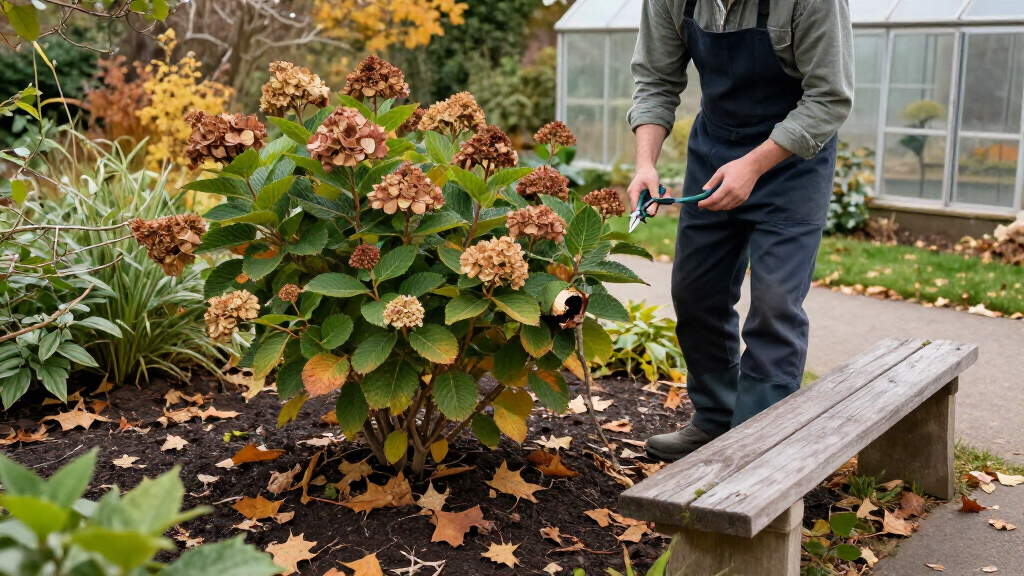
A Planet Natural report recommends treating fall pruning as corrective work rather than a time for routine shaping. Gardeners can remove clearly dead, broken, hazardous or visibly diseased material when it is safe, but should check each plant’s recommended pruning schedule before making other cuts.
A Planet Natural report on fall pruning advises gardeners to limit autumn cuts to clear problems such as dead, broken, hazardous or visibly diseased branches, rather than using the season for routine shaping. The timing matters because some fall cuts can remove next year’s flower buds or prompt tender growth that has little time to mature before winter.
The report recommends using fall pruning to address a specific problem rather than to redesign a plant. A cracked limb over a path, storm damage or dead wood rubbing against healthy stems may call for attention whenever it is found, provided the work can be done safely. The cut should remain limited to the affected material; removing a large portion of a shrub to make its outline more uniform is a separate renovation job.
Routine thinning, size reduction, hard renewal and cosmetic shearing should follow the plant’s recommended pruning window. Cutting branch tips can stimulate buds below the cut. Depending on the species, local climate, weather and timing, that response may produce new growth too late in the season to harden before cold weather.
The report also warns that many spring-flowering shrubs form flower buds on older growth. Autumn trimming can reduce the following spring’s display on plants including lilac, forsythia, azalea, rhododendron and some hydrangeas. For many such shrubs, routine shaping is usually done soon after flowering, although the exact timing depends on the species and cultivar.
How Fall Cuts Affect Spring Growth
Delaying nonessential pruning can preserve a plant’s shape and flowering potential. An autumn cut may make a shrub look tidier through winter but leave fewer blooms in spring if it removes buds already formed on older stems. Cutting late-season growth can also leave tender shoots exposed to cold before they mature.
The advice does not mean that every cut must wait. A clearly broken limb or a branch creating an immediate hazard is different from a cosmetic cut. For a large limb, work near utility lines or a job requiring a ladder, the report recommends contacting a qualified arborist rather than attempting the cut with a long-handled tool. This distinction keeps seasonal pruning focused on safety and plant health.
As an affiliate, we earn on qualifying purchases.
Why Plant Type Sets the Schedule
“Flowering shrub” and “evergreen” are broad categories, not pruning schedules. The report says plant identity matters because species and cultivars differ in where they set buds and how they respond to cuts. Checking a plant label or botanical name is more useful than relying on a general rule for every shrub.
Evergreens also need plant-specific care. Pines, spruces and firs generally need little routine pruning, and cutting beyond green growth can leave lasting gaps or structural problems. Junipers and yews respond differently, but the report cautions against treating fall shearing as a standard cleanup step. An evergreen that is browning or thinning may have a problem involving moisture, winter injury, pests, roots or disease; pruning alone may not address the cause.
For spring bloomers, the report describes the usual routine-shaping window as soon after flowering. If a shrub is overgrown, gradual renewal at an appropriate time over several seasons may be preferable to a hard autumn cut. Gardeners can use fall to photograph plants and note work to schedule later.
As an affiliate, we earn on qualifying purchases.
What Depends on the Plant
The report does not give one calendar date that applies to every region or plant. The risk from late pruning varies with species, cultivar, climate and weather, and some plants grouped under familiar names have different flowering habits. The supplied material also does not provide detailed fall-pruning guidance for roses and other summer bloomers, noting that rose type and local winter-protection practices can affect the schedule.
Discolored leaves or bare twigs are not, by themselves, proof of disease. The cause of decline may be unclear, and the report advises against removing major structure based on an uncertain diagnosis. It gives no region-specific forecast or local extension-service schedule; gardeners may need to identify the plant and seek local advice before making substantial cuts.
garden loppers for hazardous branches
As an affiliate, we earn on qualifying purchases.
As an affiliate, we earn on qualifying purchases.
Plan Cuts for the Right Season
Before making a nonessential cut, identify the plant and decide what the cut is meant to accomplish. If the goal is simply to make it smaller or neater before winter, record the needed work and check the plant’s recommended pruning window. For many spring bloomers, that means waiting until after flowering.
For a suspected disease, photograph the plant and consult a local nursery or certified arborist if the cause is unclear. Clean cutting tools between plants and after cutting suspect material, the report says, to avoid moving a problem around the landscape. For large branches, utility-line conflicts or work requiring a ladder, call a qualified arborist. Address genuine damage or hazards safely; routine shaping can be scheduled once the plant and appropriate season are known.
plant pruning tools for spring-flowering shrubs
As an affiliate, we earn on qualifying purchases.
As an affiliate, we earn on qualifying purchases.
Key Questions
Is it always wrong to prune in fall?
No. The Planet Natural report says fall cuts can make sense for dead, broken, hazardous or visibly diseased material. It advises against using autumn as a default time for cosmetic shaping, size reduction or major renewal.
Why can fall pruning reduce spring flowers?
Many spring-flowering shrubs form flower buds on growth from the previous season. Cutting those branches in autumn may remove some of the buds that would have flowered the following spring. The report says routine shaping for many of these plants is usually done soon after bloom.
Which plants should I avoid shearing in fall?
The report names lilac, forsythia, azalea, rhododendron, quince, many viburnums and many hydrangeas as possible spring-blooming pruning traps. Their habits vary, so check the plant’s species or cultivar before scheduling routine cuts.
What should I do if a branch is large or dangerous?
Do not attempt a large-limb cut, work near utility lines or a job requiring a ladder on your own. The report recommends contacting a qualified arborist for those situations.
Should I prune an evergreen that is turning brown?
Not automatically. The report says browning or thinning may have causes such as moisture stress, winter injury, pests, root trouble or disease. Identify the plant and investigate the cause before assuming pruning will solve the problem.
Source: rss
Halloween Picks
halloween
As an affiliate, we earn on qualifying purchases.