
TL;DR

Get garden gear delivered free with Prime
- Fast, free delivery on millions of items
- Prime Video, Amazon Music and more included
- Member-only deals all year
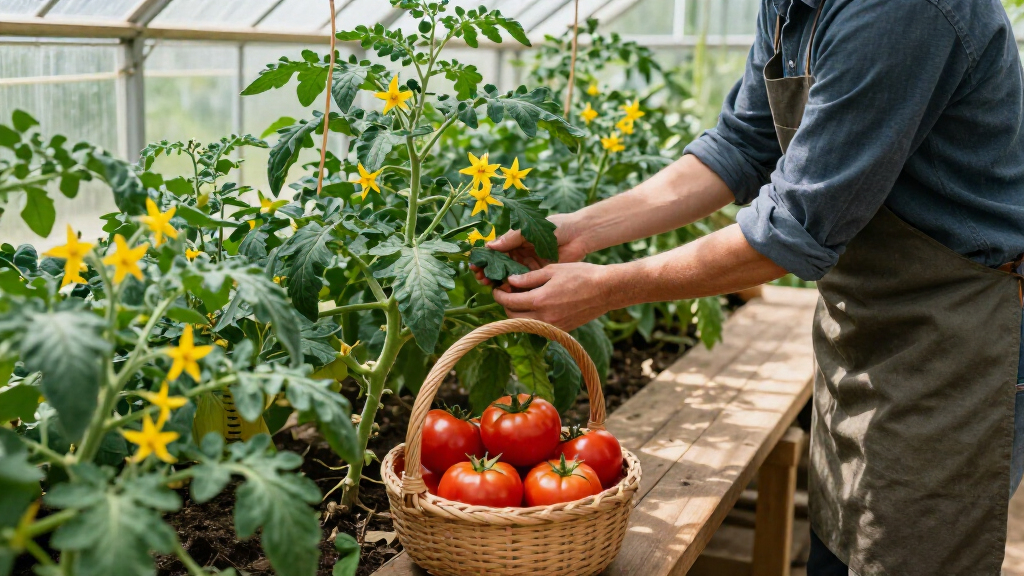
Many gardeners notice their tomato plants produce flowers but no fruit. This article explains the causes and offers practical solutions to improve fruit set before the growing season concludes.
Many tomato growers are observing their plants produce flowers without subsequent fruit, raising concerns about crop yield. Experts confirm that environmental stressors, improper watering, and pollination issues are common causes, and addressing these factors can help maximize fruit production before the season ends. Experts confirm that environmental stressors, improper watering, and pollination issues are common causes, and addressing these factors can help maximize fruit production before the season ends.
Numerous gardeners have reported that their tomato plants are flowering but not setting fruit, a phenomenon that can significantly reduce harvests. According to horticultural specialists, this issue often stems from environmental stress, such as high temperatures, inconsistent watering, or low humidity, which interfere with pollination processes. Additionally, inadequate pollination caused by lack of pollinators or poor airflow can prevent flowers from developing into fruit.
Experts recommend several practical steps to improve fruit set. One effective method is to provide shade during peak heat hours and ensure good airflow around plants to help mitigate temperature stress and promote pollination. These include maintaining consistent watering schedules to avoid stress, using mulch to regulate soil moisture, and encouraging pollination by gently shaking the plants or hand-pollinating flowers with a small brush. Providing shade during peak heat hours and ensuring good airflow around plants can also help mitigate temperature stress and promote pollination. Gardeners are advised to monitor their plants closely and act promptly, as the window for successful fruit setting narrows as the season progresses.
Impacts of Flowering but No Fruit on Tomato Yields
This issue directly affects gardeners’ harvests, especially as the growing season nears its end. Understanding and addressing the causes of poor fruit set can help maximize yields and reduce disappointment for home growers and commercial farmers alike. Effective intervention can also extend the productive period of tomato plants, ensuring a more satisfying harvest.
As an affiliate, we earn on qualifying purchases.
Common Causes of Poor Fruit Development in Tomatoes
Tomatoes typically require proper pollination for fruit development. Factors such as high temperatures above 85°F (29°C), low humidity, and inconsistent watering can cause flowers to drop or fail to set fruit. Lack of natural pollinators like bees, especially in greenhouse or urban environments, can also contribute. Historically, gardeners have faced similar issues during heatwaves or drought conditions, which disrupt the natural pollination process and stress the plants, leading to abundant flowering but limited fruit.
Previous seasons have shown that addressing environmental stressors and improving pollination techniques can significantly enhance fruit set. This year, many growers report that despite healthy flowering, fruit development remains sluggish, emphasizing the need for targeted interventions as the season wanes.
“Consistent watering and providing shade during the hottest part of the day can make a big difference in fruit set for tomato plants.”
— Dr. Emily Carter, horticulturist
As an affiliate, we earn on qualifying purchases.
Unconfirmed Causes and Variability in Tomato Response
While environmental factors are widely recognized, the precise combination of conditions causing flowers to fail in setting fruit varies among regions and plant varieties. It is not yet clear whether certain tomato cultivars are more susceptible or resistant to these stressors. Additionally, the long-term effectiveness of some interventions, such as hand-pollination, remains under study.
garden mulch for moisture retention
As an affiliate, we earn on qualifying purchases.
As an affiliate, we earn on qualifying purchases.
Next Steps for Gardeners and Researchers
Gardeners are advised to implement recommended practices immediately and monitor results closely. Researchers are studying the specific impacts of climate variables on tomato pollination and fruit development, aiming to develop more resilient cultivars. As the season progresses, growers should adapt their strategies based on ongoing observations and emerging guidance from horticultural experts.
As an affiliate, we earn on qualifying purchases.
Key Questions
Why are my tomato plants flowering but not producing fruit?
This typically results from environmental stressors such as high temperatures, inconsistent watering, or poor pollination conditions, which prevent flowers from developing into fruit.
How can I improve pollination and fruit set on my tomato plants?
Ensure consistent watering, provide shade during hot periods, encourage natural pollinators, and consider hand-pollinating flowers with a small brush to increase fruit development.
Is it too late to fix this problem as the season ends?
While the window for fruit set narrows later in the season, implementing stress reduction and pollination techniques can still improve your chances of harvesting some fruit before the season concludes.
Are certain tomato varieties more resistant to flowering without fruit?
Some cultivars may be more tolerant of environmental stress, but specific resistance varies. Consulting with local nurseries or extension services can help identify suitable varieties for your region.
Will these issues affect next year’s tomato crop?
Environmental conditions and cultural practices influence future crops. Learning from current challenges and adjusting care routines can help improve outcomes in subsequent seasons.
Source: rss
Columbus Day / Indigenous Peoples' Day Picks
long weekend sales
As an affiliate, we earn on qualifying purchases.