
TL;DR

Get garden gear delivered free with Prime
- Fast, free delivery on millions of items
- Prime Video, Amazon Music and more included
- Member-only deals all year
Desert plants rest in July because that’s when extreme heat peaks, not in January. Knowing their cycle helps you water, prune, and plan your garden for resilience and beauty.
Desert plants enter summer dormancy in July due to extreme heat, not winter cold.
Recognize dormancy signs — no new growth, shriveled stems, but healthy roots underneath.
Adjust watering — sparingly during dormancy, only as needed, to avoid rot.
Avoid pruning or repotting during summer dormancy; wait until cooler months.
Understanding these cycles prevents unnecessary stress and promotes plant health.
Summer Dormancy: Why Desert Gardens Rest in July, Not January
Desert plants do not follow the temperate garden calendar. When July heat threatens their water reserves and living tissue, many pause growth, lower metabolic activity, and wait for safer weather. The stillness is not failure—it is a finely tuned survival response.
About 43°C: a level of heat that can accelerate water loss and cellular stress.
Only when the plant and soil show a genuine need for moisture.
Milder days can support growth, flowering, and root activity in many desert species.
Peak temperature and aridity—not winter cold.
Often the harshest point in the desert calendar.
Slower activity conserves both water and energy.
Reduce interventions until conditions become cooler.
Dormancy is an active defense
Extreme heat makes new growth expensive. By slowing metabolism and limiting exposed tissue, desert plants protect cellular integrity, retain stored moisture, and improve their odds of reaching the next favorable season.
Heat and aridity intensify
High temperatures increase evaporation while dry soil limits the water available to replace what is lost.
Metabolism slows
New growth, flowering, and other energy-intensive processes pause or become markedly reduced.
Resources stay protected
Stored water and carbohydrates remain available until cooler conditions make active growth safer.
Heat rises
July temperatures move beyond the plant’s efficient growth range.
Water loss climbs
Evaporation and tissue stress create an escalating resource deficit.
Growth pauses
Leaves, shoots, buds, and flowers receive fewer resources.
Energy is stored
Roots and water-holding tissues preserve reserves below the surface.
Cool weather returns
Safer temperatures allow activity to resume gradually.
July is costly. January is an opportunity.
The desert year reverses familiar gardening assumptions. Many plants use cool winter days and seasonal rain for active growth, then conserve resources through the most punishing part of summer.
Relative environmental pressure
Conceptual index combining heat and aridity. The peak illustrates why July often functions as the desert garden’s true resting season.
Rapid water loss, hot soil, and cellular stress make growth risky. Dormancy limits exposure and protects reserves.
Cooler days can support root activity, flowering, seed production, and recovery after summer stress.
Summer rest is not winter rest
Both cycles conserve resources, but their triggers and visible signs differ. Matching care to the correct dormancy type prevents unnecessary watering, feeding, pruning, and frost exposure.
| Feature | Summer dormancy | Winter dormancy | Garden implication |
|---|---|---|---|
| Timing | ✓July or hottest months | ~December or January | Use local conditions, not a generic calendar. |
| Main trigger | ✓Extreme heat and aridity | ~Cold and short days | Identify the environmental stress before intervening. |
| Common signs | No new growth, dull color, limited flowering | Leaf drop, bud set, paused top growth | Reduced activity can be healthy in either season. |
| Primary purpose | Water conservation and heat avoidance | Protection from freezing and frost damage | Support the plant’s specific survival strategy. |
| Water response | ✓Sparse, need-based watering | ~Species- and rainfall-dependent | Never water automatically without checking soil. |
| Avoid | Fertilizing, repotting, heavy pruning | Forced growth and frost exposure | Wait for the plant’s safer recovery window. |
Dormant or dead?
Surface appearance can mislead. Look for living tissue, resilient stems, and healthy roots before removing a quiet plant. A gentle scratch test often reveals what is happening underneath.
Quiet above, alive below
- No new shoots, flowers, or visible expansion
- Stem or crown remains firm and structurally intact
- A light scratch reveals green or moist living tissue
- Roots remain anchored without a foul odor
- Plant responds when cooler conditions return
Structural failure is visible
- Stems are completely brittle, hollow, or collapsing
- Tissue beneath the surface is brown and dry
- Base feels mushy or releases a decaying odor
- Roots are blackened, loose, or decomposing
- No recovery appears after favorable weather returns
The scratch test
Choose a small, inconspicuous area and gently scrape the outer surface. Green tissue suggests life; uniformly brown, dry tissue suggests serious decline.
Help without waking the plant
Summer care should protect roots and stored moisture—not force new growth. Small, measured actions are safer than a surge of water, fertilizer, pruning, or repotting.
Use restraint
Water only when soil is dry and the plant shows genuine need. Saturated dormant roots can rot.
Skip fertilizer
Feeding can push tender growth when the plant lacks the resources to support it safely.
Reduce peak stress
Where appropriate, provide afternoon protection without eliminating airflow or drainage.
Leave tissue intact
Delay major cuts until cooler weather, when wounds can recover with less heat stress.
Watch the trend
Track firmness, color, soil moisture, pests, and odor instead of reacting to stillness alone.
A broad guideline for dormant plants—not a fixed schedule for every species or site.
Confirm dry soil and plant need. Heat alone is not a reason to add more moisture.
Plan around the plant’s year
Exact timing varies by species, microclimate, rainfall, and elevation. This seasonal map offers a practical starting point for many hot, arid gardens.
Grow and observe
Mild days may support root development, flowering, and active cool-season growth.
Jan–FebPrepare and establish
Complete appropriate pruning, repotting, and planting before severe heat arrives.
Mar–MayProtect and pause
Reduce intervention, water sparingly, and recognize dormancy as a survival phase.
Jun–AugRecover and reassess
As temperatures fall, watch for renewed growth and gradually resume suitable care.
Sep–NovAre all desert plants summer-dormant?
No. Some cacti, succulents, and shrubs remain active or semi-active. Learn the species and confirm its signals before changing care.
Can dormant plants still shrivel?
Yes. Mild shrinking can reflect controlled water use. Severe collapse, softness, discoloration, or odor calls for closer inspection.
Does climate change affect the cycle?
Hotter temperatures and less predictable rainfall can lengthen stress periods, disrupt familiar timing, and make observation increasingly important.
Respect the pause
Desert plants often rest in July because extreme heat—not January cold—is their greatest seasonal threat. Recognize living tissue, water sparingly, avoid fertilizer and major disturbance, and wait for cooler weather before encouraging growth.
What is summer dormancy, and why does it happen in July?
Summer dormancy is a strategic, evolutionary adaptation that allows desert plants to withstand the punishing conditions of peak summer. During this period, the extreme heat and aridity threaten cellular integrity and water reserves. By entering dormancy, these plants significantly reduce their metabolic activities, minimizing water loss and preventing cellular damage. This pause in growth isn’t passive; it’s a calculated response that enhances survival odds. Recognizing this helps gardeners understand that the lack of visible activity is not a sign of decline but a vital survival mechanism. It underscores the importance of respecting their natural rhythms and adjusting care routines accordingly. This understanding can prevent unnecessary stress on the plants, such as overwatering or pruning, which can inadvertently cause harm during their vulnerable state. Ultimately, this adaptation demonstrates the resilience of desert flora and the importance of aligning gardening practices with their natural cycles to promote long-term health and vitality.
As an affiliate, we earn on qualifying purchases.
Why do desert plants rest in July, not January? The heat is the key.
When temperatures skyrocket in July, desert plants respond by shutting down growth as a critical survival mechanism. The intense heat — often exceeding 110°F (43°C) — causes rapid water loss and cellular stress, which can lead to irreversible damage or death if not managed. By halting growth and shedding leaves or reducing activity, plants conserve vital water and energy resources, essentially entering a state of suspended animation until conditions improve. Conversely, January offers milder conditions with daytime temperatures around 60-70°F (15-21°C), which are safe for growth and reproductive activities like flowering and seed production. This timing isn’t coincidental; it’s an evolutionary response to environmental cues. Recognizing that dormancy aligns with extreme heat rather than the calendar helps gardeners time their interventions properly. For instance, pruning or fertilizing during peak summer can stress plants further, reducing their resilience. Understanding this tradeoff — conserving resources now to thrive later — is key to sustainable desert gardening and avoiding unnecessary damage to sensitive plants.
As an affiliate, we earn on qualifying purchases.
How to spot if your desert plant is dormant or dead in summer
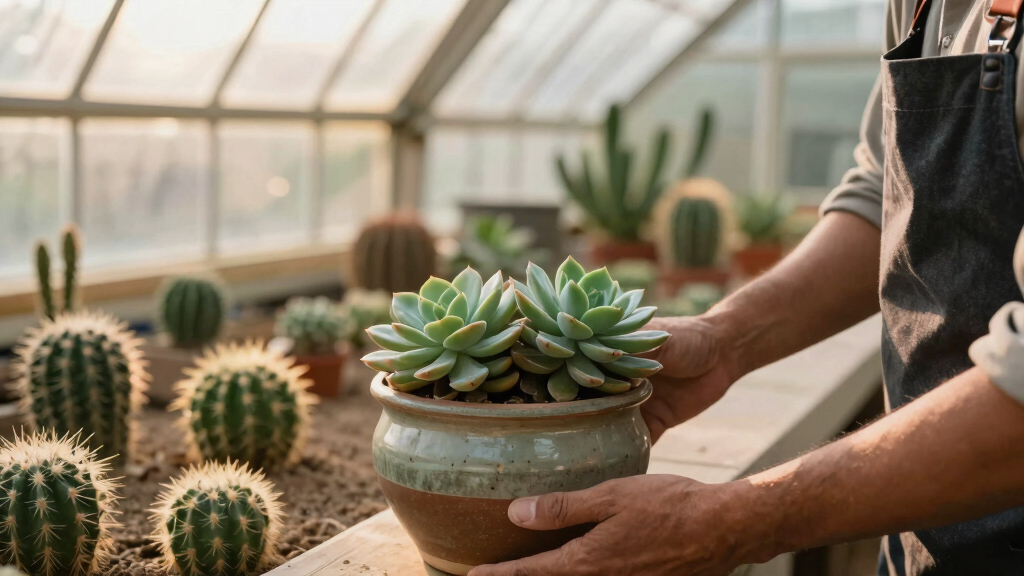
Identifying whether your desert plant is truly dead or simply dormant requires a nuanced approach. Dormant plants often show a lack of new growth, but their stems and roots remain healthy and resilient underneath. They typically retain a firm texture, and the plant’s overall form remains intact, signaling that it’s conserving energy. Dead plants, however, tend to become shriveled, brittle, and may emit a foul odor as decay sets in. The key is to assess the underlying health rather than surface appearance alone. For example, a dormant agave might look dull and unresponsive, but if you gently scratch its surface and see green tissue underneath, it indicates life. Conversely, if the tissue is brown and dry, it’s likely beyond recovery. This distinction is critical because premature removal can waste healthy plants, while neglecting truly dead ones can lead to pest or disease issues. Giving dormant plants time and gentle care, especially when cooler weather returns, can often result in surprising recovery, saving you unnecessary replacements and maintaining a healthier garden ecosystem.
As an affiliate, we earn on qualifying purchases.
How to care for dormant desert plants without harming them
- Water sparingly — just enough to keep roots from drying out. Think once every 4-6 weeks, only if the plant shows signs of needing moisture. Overwatering during dormancy can cause root rot, leading to long-term damage or death. It’s essential to understand that moisture levels should mimic natural desert conditions—occasional and infrequent.
- Avoid fertilizing during dormancy — it can stress the plant further, disrupting its natural cycle and potentially causing unwanted growth when the plant is not prepared to handle it.
- Keep plants in a shaded or partially shaded spot if possible, especially during the hottest part of the day. This reduces heat stress and prevents dehydration, which is crucial during their vulnerable period.
- Resist the urge to prune or repot — it disrupts their rest cycle and can expose sensitive tissues to unnecessary stress or infection. If pruning is necessary, do so in cooler months, allowing the plant to recover and re-establish.
- Monitor for signs of stress, like shriveling or discoloration, and adjust watering accordingly. Recognizing early signs helps prevent long-term damage and supports a healthy comeback when conditions improve.
For example, a barrel cactus in July might look dull, but a gentle water after a long dry spell can help it recover. Think of it as a gentle wake-up call — not a growth spurt. Respecting their dormancy ensures they emerge stronger when conditions are right.
As an affiliate, we earn on qualifying purchases.
Summer dormancy vs. winter dormancy: What’s the difference?
| Feature | Summer Dormancy |
|---|---|
| Timing | Peak of summer, July or hottest months |
| Trigger | Extreme heat and aridity |
| Signs | No new growth, shriveled stems, no flowering |
| Purpose | Water conservation, heat avoidance |
In contrast, winter dormancy happens during the colder months, like December or January, when temperatures drop significantly, and plants need to protect themselves from frost damage. This form of dormancy often involves leaf drop, bud formation, or underground growth pauses. Recognizing these differences is crucial because the strategies to support plants vary; mistaking summer dormancy for winter can lead to improper care, such as overwatering or unnecessary fertilization. Conversely, neglecting winter dormancy signals can cause frost damage. Understanding that summer dormancy is primarily a response to environmental stressors like heat and drought emphasizes the importance of timing and context in your care routines. Tailoring your actions to these distinct cycles ensures your desert plants remain healthy and resilient across seasons.
Frequently Asked Questions
How can I tell if my desert plant is dormant or dead in summer?
Check for signs like no new growth or flowers. Gently scratch the surface — green underneath means it’s resting, not dead. Feel the stems: firm and resilient indicates dormancy, while brittle or mushy suggests death.
Can I water my desert plants during their summer dormancy?
Yes, but very sparingly. Usually once every 4-6 weeks, only if the plant shows signs of needing moisture. Overwatering during dormancy can lead to rot, so watch closely.
What’s the best way to handle pruning in summer?
It’s best to leave plants alone during their rest period. Pruning can stress them out, especially in extreme heat. Save major cuts for the cooler months when they’re actively growing.
Does all desert flora follow the same cycle?
Not exactly. Many desert plants, like cacti and succulents, do enter dormancy in summer, but some, like certain desert shrubs, stay semi-active. Know your plants’ habits for best results.
How does climate change affect summer dormancy?
Rising temperatures and shifting rainfall can extend or disrupt dormancy cycles. Some plants may stay active longer or experience stress, so stay flexible and observe their responses.
Conclusion
Respect the natural rhythm of your desert plants. Their July rest isn’t laziness but survival. When you pause your care during their dormancy, you set the stage for a vibrant, resilient garden come cooler seasons. Remember: patience and observation are your best tools for thriving in the desert.Fall yard work Picks
leaf blowers
As an affiliate, we earn on qualifying purchases.