
TL;DR

Get garden gear delivered free with Prime
- Fast, free delivery on millions of items
- Prime Video, Amazon Music and more included
- Member-only deals all year
Preparing your desert yard for June means focusing on water conservation, protecting plants from heat, and selecting drought-tolerant plants. Early prep helps your landscape thrive through the hottest months without wasting water or stressing your plants.
June’s coming fast—and it’s the kind of heat that can turn a lush desert yard into a parched, stressed landscape in just days. If you want your yard to stay vibrant, healthy, and water-wise through the hottest months, the time to act is now. A few simple steps now can save you headaches—and water—later.
This guide walks you through everything you need to do, from watering smartly and protecting plants from the sun, to mulching and choosing the right drought-tolerant plants. Get your yard ready now, and you’ll thank yourself when July hits and your landscape holds steady.
Start soil improvement and watering system checks in early June to prevent heat stress.
Switch to drip irrigation and mulch to conserve water and keep roots cool.
Choose drought-tolerant native plants that thrive in high heat and low water conditions.
Use shade cloths and windbreaks to protect sensitive plants from the worst of June’s sun and wind.
Replace high-water lawns with native ground covers for a more sustainable, heat-resistant landscape.
The Pre-Summer Checklist
Prepare your desert yard before peak heat arrives. Smarter watering, cooler roots, resilient native plants and targeted protection can keep the landscape vibrant without wasting water or pushing plants into stress.
Improve soil before intense heat.
Deliver water where it matters.
Shield sensitive young plants.
Build long-term heat resilience.
Do these before the yard starts struggling
Early preparation reduces emergency watering later. Work from below ground upward: improve the root zone, tune water delivery, insulate the soil, protect exposed plants and replace thirsty surfaces.
Build a moisture reserve
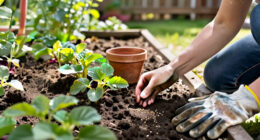
Test drainage and mix compost or organic matter into poor soil. Better structure holds water and nutrients near roots instead of losing them immediately.
Inspect every drip line
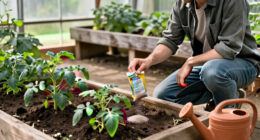
Clear clogged emitters, repair leaks and aim water at the root zone. Use timers and moisture sensors to prevent both runoff and overwatering.
Mulch to 2–3 inches
Spread bark, straw or another suitable mulch around plants. Keep it away from stems while covering the active root area like a cooling blanket.
Block sun and drying wind
Use shade cloth over sensitive plants and taller natives for natural cover. Shrub windbreaks reduce the gusts that accelerate moisture loss.
Choose desert-adapted species
Prioritize native cacti, succulents, grasses and flowering ground covers that can withstand high heat with minimal supplemental water.
Prune and scout early
Remove dead branches and check for scale, aphids, spider mites and beetles. Early, plant-safe control prevents small issues becoming heat-season crises.
June, week by week
Sequence matters. Start with systems and soil, add physical protection next, then monitor and refine as temperatures climb.
Test and repair
Check soil drainage, amend weak beds, inspect irrigation, prune dead wood and confirm emitters reach the root zones.
Insulate and shield
Mulch beds, install shade structures and windbreaks, then establish suitable native plants before the harshest heat.
Observe and adjust
Fine-tune watering duration, look for pests and scorch, and add targeted shade without creating permanently soggy soil.
Deep roots beat daily sprinkles
Slow, direct and early is the desert formula. Drip irrigation and soaker hoses reduce evaporation, while deep, infrequent watering encourages roots to seek moisture below the hottest surface layer.
Smart controllers and moisture sensors can cut landscape water use by up to 50% when compared with poorly managed schedules.
Illustrative index: the smart-drip bar visualizes the cited potential for up to 50% less water use. Actual savings vary by climate, system condition and prior watering habits.
Five performers built for the June scorch
These plants survive through adaptations such as water-storing tissue, deep roots, narrow leaves and reflective surfaces. Together they create structure, bloom and ground coverage with less irrigation.
Saguaro cactus
Iconic vertical structure with exceptional heat and drought tolerance.
Desert marigold
Bright yellow flowers and low-maintenance seasonal color.
Red yucca
Architectural foliage with tall red blooms for exposed locations.
Agave
Bold form and fleshy leaves that store water through dry periods.
Indian blanket
Orange-red wildflowers that add resilient, informal coverage.
Lawn or native ground cover?
A traditional lawn offers a uniform green surface, but native ground covers align far better with desert water limits and summer temperatures.
| Feature | Traditional lawn | Native ground cover |
|---|---|---|
| Water needs | ✗ High — often 1–2 inches weekly | ✓ Low — about ¼ inch or less |
| Maintenance | ✗ Frequent mowing and feeding | ✓ Minimal natural growth |
| Heat tolerance | ~ Limited under peak heat | ✓ Excellent when locally adapted |
| Appearance | Uniform, lush and formal | Textured, seasonal and regionally distinctive |
| Habitat value | ~ Low plant diversity | ✓ Higher pollinator potential |
Native ground cover may not deliver the exact visual uniformity of manicured turf, but it rewards the change with lower water use, reduced maintenance and stronger resilience during prolonged desert heat.
Protect the plant, not just the soil
June stress compounds quickly: intense radiation heats foliage, wind strips moisture and pests exploit weakened plants. Use layered protection while maintaining airflow.
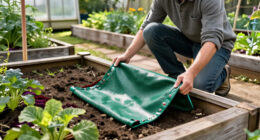
Shade cloth
Place temporary shade above young succulents and sensitive plants. Avoid pressing material directly against foliage and preserve ventilation.
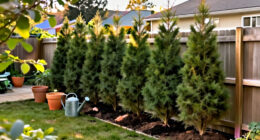
Living windbreak
Use rows of desert-adapted shrubs or permeable screens to slow drying gusts without creating a sealed pocket of trapped heat.
Pest patrol
Inspect leaf undersides and stems for scale, aphids, mites and beetles. Treat early with environmentally responsible controls.
Every action supports the next
Prepare now for steadier plants in July. Improve the root zone, switch to efficient irrigation, apply 2–3 inches of mulch, protect vulnerable plants and replace high-water surfaces with desert-adapted alternatives.
How to Check and Improve Your Soil Before June’s Heat Hits
Desert soils often need a boost to hold moisture and nutrients. Start by testing your soil’s drainage and organic matter levels. If it’s sandy or poor in nutrients, mix in compost or organic amendments. This helps roots stay hydrated and healthy during the scorching summer.
For example, if your soil drains too quickly, adding a few inches of compost and mulch can make a huge difference. It’s like giving your plants a big drink of hydration right at their roots.
Improving soil quality is essential because it directly impacts how well plants can withstand the intense summer heat. Healthy, well-amended soil retains moisture better, reducing the frequency and quantity of watering needed. This not only conserves water but also minimizes plant stress, which can lead to pest and disease problems. The tradeoff is that soil amendments require some effort and initial investment, but the long-term resilience of your landscape makes it worthwhile.
drip irrigation system for desert yard
As an affiliate, we earn on qualifying purchases.
As an affiliate, we earn on qualifying purchases.
The Best Watering Strategies for a Hot Desert June
Water is your biggest tool. Switch to drip irrigation or soaker hoses to deliver water slowly and directly to roots. This reduces evaporation and runoff. Set timers to water early in the morning—before the sun hits hardest—and avoid overwatering.
According to Gardener AZ, smart watering can reduce water use by up to 50%. For instance, a well-placed drip system can keep desert plants happily hydrated without wasting a drop.
Deep, infrequent watering encourages plants to develop stronger roots that can access moisture deeper in the soil, increasing drought resilience. Conversely, shallow watering promotes shallow roots, making plants more vulnerable to heat stress. The tradeoff is that deep watering takes more time but results in healthier, more resilient plants that require less frequent watering, which is critical during water shortages.
drought-tolerant native plants for landscaping
As an affiliate, we earn on qualifying purchases.
As an affiliate, we earn on qualifying purchases.
Top 5 Drought-Resistant Plants That Thrive in June’s Heat
Choosing the right plants makes all the difference. Here are five desert favorites:
- Saguaro cactus: Tall, iconic, and virtually indestructible.
- Desert marigold: Bright yellow blooms, drought-tolerant, and low-maintenance.
- Red yucca: Striking red flowers, thrives in full sun.
- Agave: Sharp, architectural, and needs minimal water.
- Indian blanket: Bright orange and red wildflower, perfect for ground cover.
These plants have evolved to withstand the extreme conditions of desert summers. Their adaptations—such as thick, fleshy leaves, deep root systems, or reflective surfaces—allow them to survive with minimal water and resist heat damage. Incorporating these plants into your yard reduces the need for supplemental watering, lowers maintenance, and creates a resilient landscape that can handle the June scorch. The tradeoff is that native drought-tolerant plants might have a different aesthetic than traditional lawns, but their resilience and water savings outweigh the visual shift, especially in a desert environment.
moisture sensor for garden irrigation
As an affiliate, we earn on qualifying purchases.
As an affiliate, we earn on qualifying purchases.
How to Mulch Your Desert Garden to Conserve Water and Protect Roots
Mulching is a simple, effective step. Spread 2-3 inches of organic material—like bark or straw—around your plants. This shields roots from scorching heat, retains soil moisture, and suppresses weeds.
Imagine mulch as a cooling blanket for your plants, reducing water needs and preventing soil from drying out fast. For example, around a desert marigold, a thick layer of mulch kept moisture steady during a 100-degree day last summer.
Proper mulching can significantly decrease the frequency of watering, saving water and reducing the workload. Additionally, mulch helps buffer soil temperature fluctuations, which can be stressful for plants. The tradeoff involves some initial labor and material costs, but the benefits of healthier plants and less frequent watering make it a wise investment for summer resilience.
As an affiliate, we earn on qualifying purchases.
Shield Your Plants from June’s Intense Sun and Wind
Sun and wind can turn a healthy yard into a scorched wasteland. Use shade cloths or plant taller natives to cast natural shade. Windbreaks—like a row of desert shrubs—cut down drying gusts and protect delicate plants.
For instance, a shade cloth over young succulents prevented sun scorch during a record-breaking heatwave last year. It’s a quick fix that saves plants from stress and damage.
Protecting plants from extreme sun and wind not only prevents immediate damage but also reduces long-term stress, making plants more resilient to ongoing heat waves. The tradeoff is that shade cloths and windbreaks require some setup effort and may alter the visual landscape temporarily, but the benefits of plant health and longevity outweigh these minor inconveniences.
Comparing Traditional Lawns and Native Ground Covers for Summer Resilience
| Feature | Traditional Lawn | Native Ground Cover |
|---|---|---|
| Water Needs | High — often 1-2 inches per week | Low — ¼ inch or less |
| Maintenance | Frequent mowing, fertilizing | Minimal — natural growth |
| Heat Tolerance | Limited | Excellent |
| Appearance | Lush, green | Varies, often native wildflower look |
If you’re serious about water savings and surviving the June heat, replacing traditional lawns with native ground covers like buffalo grass or desert marigold can cut water use dramatically and reduce summer stress.
While traditional lawns provide a lush, uniform appearance, they demand high water and maintenance, which can be unsustainable during drought conditions. Native ground covers, on the other hand, are adapted to the local environment—they require less water, reduce maintenance, and often attract beneficial insects. The tradeoff is that native ground covers might not offer the same visual uniformity as a manicured lawn, but their resilience and water-saving benefits are critical in a desert climate.
Timing Your Preparation: When to Tackle Each Step Before June
- Early June: Check soil, set irrigation, prune dead branches.
- Mid June: Mulch beds, install shade structures, plant new natives.
- Late June: Fine-tune watering, monitor pests, add extra shade if needed.
Getting organized now means your yard will be ready when the temperature spikes. For example, planting native shrubs in early June helps them establish before the worst heat hits.
By following this timeline, you ensure that each step builds upon the previous ones, creating a layered defense against the intense summer heat. Proper timing allows plants to establish roots, soil to retain moisture, and protective structures to be in place before the peak heat arrives. The tradeoff is that rushing certain steps may compromise their effectiveness, so planning ahead ensures your landscape’s resilience and reduces last-minute stress.
Frequently Asked Questions
When is the best time to prepare my desert yard for summer?
Late spring, especially early June, is perfect for checking soil, setting up irrigation, and planting natives before the peak heat hits.Which native plants handle June’s heat best?
Desert marigold, red yucca, agave, and saguaro cactus are all tough choices that thrive in high temperatures with minimal water.How can I reduce water use but keep my yard looking lively?
Switch to drip irrigation, add a thick mulch layer, and plant native ground covers that need far less water than turf grass.What’s the easiest way to shield plants from the sun and wind?
Use shade cloths for young plants and plant taller native bushes or install windbreaks to block the drying gusts.Are there pests to watch for in June, and how to control them?
Yes, pests like scale insects and spider mites can appear. Keep an eye out and use eco-friendly, targeted controls to keep plants healthy.Conclusion
Getting your desert yard ready for June isn’t just about surviving the heat — it’s about setting your landscape up to thrive. Focus on smart watering, protecting plants, and choosing native drought-hardy varieties. Your yard will thank you with a lush, resilient look through the hottest stretch.
Now, take action today. Your future self will enjoy a healthier, more water-wise desert landscape, even in the blazing summer months.
Fall yard work Picks
leaf blowers
As an affiliate, we earn on qualifying purchases.