TL;DR
Listen free for 30 days with Audible
Thousands of audiobooks and originals — cancel anytime.
Start your free trialAs an affiliate, we earn on qualifying purchases.
A week before monsoon, focus on soil drainage, plant support, erosion control, and water harvesting. Doing these steps prevents damage and promotes healthy growth during heavy rains.
When the monsoon is just around the corner, your desert garden needs more than a casual glance. Heavy rains can wash away your efforts, drown delicate plants, or cause erosion that takes years to fix. But if you tackle a few key tasks the week before the storms hit, you can protect your garden and set it up to thrive during the rains.
This guide walks you through the essential prep work — from soil tweaks to plant support — so your desert garden can handle the sudden rush of water and stay healthy long after the storm passes.
Start soil amendments at least a week before monsoon to prevent waterlogging and erosion.
Clear debris, prune damaged branches, and secure support for fragile plants now to reduce storm damage.
Inspect and repair water systems and rain harvesting setups for heavy rainfall readiness.
Use ground covers and terracing on slopes to prevent erosion, especially during intense storms.
Monitor and treat pests proactively to avoid outbreaks triggered by wet conditions.
The Week Before Monsoon: A Desert Garden Prep List
Heavy rains can wash away your efforts, drown delicate plants, or trigger erosion that takes years to fix. Tackle a few key tasks in the final week before the storms — soil drainage, plant support, erosion control, and water harvesting — and your desert garden will ride out the deluge and thrive long after it passes.
6 Core Tasks · 7-Day WindowCheck and Improve Your Soil for Heavy Rains
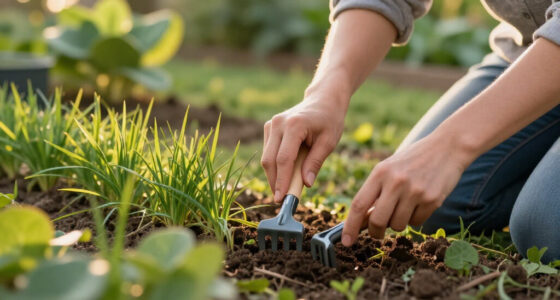
Soil health is the backbone of a resilient desert garden. Heavy monsoon rains turn poorly-draining soil into a muddy mess — assess how your soil handles water, then amend. Mix in compost or aged manure; add coarse sand or pumice to clay-heavy soils; build raised beds in low spots to prevent pooling.
Organic Matter
Work in compost or aged manure to boost both drainage and fertility. Amendments influence long-term resilience, not just storm-day performance.
Coarse Sand or Pumice
For clay-heavy soils, open up the structure so water moves through instead of sitting on top of roots.
Raised Beds
In low-lying areas, raised beds prevent water pooling and keep root zones oxygenated during the deluge.
Prune, Clear, Clean — Then Brace What’s Fragile
Dead branches, fallen leaves, and weeds aren’t just clutter — they trap water, harbor pests, and block drainage channels. Then, support the plants most at risk: tall cacti, delicate succulents, and young seedlings that fierce winds and rain would otherwise topple.
The Storm-Eve Clear-Out
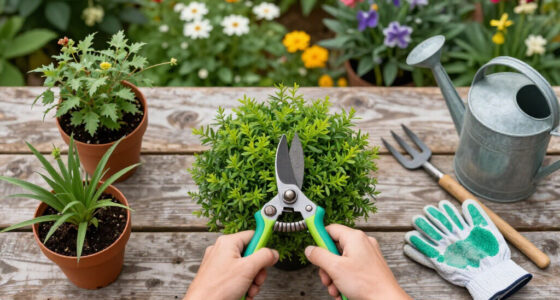
Remove diseased or damaged branches, trim tall plants that could topple, and clear fallen leaves. Wear gloves and eye protection around thorny or diseased material. Decaying organic matter harbors pests that thrive in moist conditions — a tidy garden is a strategic move, not just an aesthetic one.
Stake, Cage, Cover
Support vulnerable plants with stakes or cages — e.g., a tall agave braced with a bamboo stake tied loosely in soft twine so it won’t snap under gusts. Cover fragile specimens with burlap or mesh to shield against wind-blown debris.
Water Systems & Rain Harvesting: Ready for the Downpour
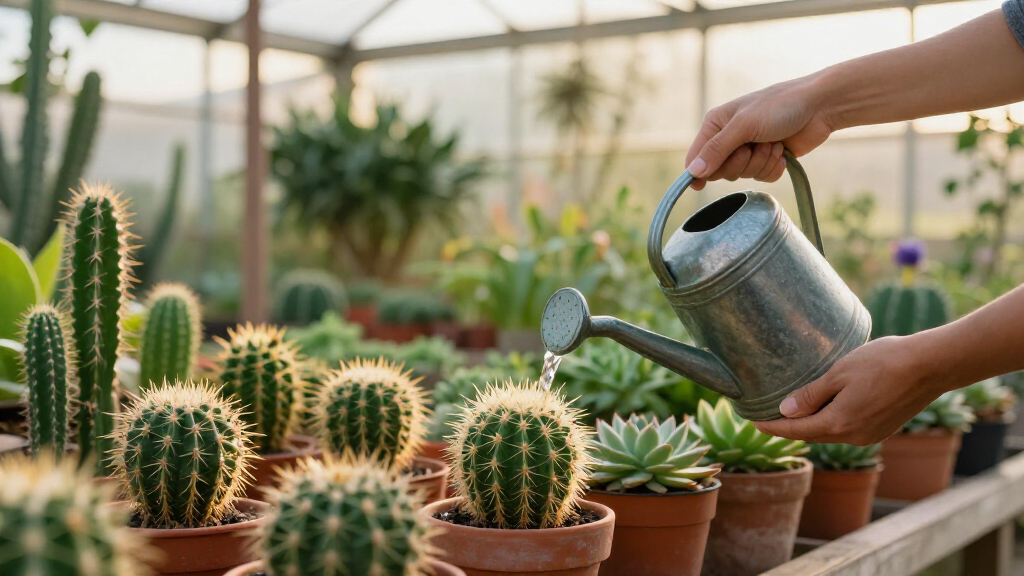
Heavy rains can overwhelm irrigation. Check hoses, sprinklers, and drip lines for clogs and leaks. Inspect rain barrels and gutters, clear debris, secure fittings, and confirm spouts direct water away from foundations.
Repair Lines
Fix clogs and leaks in hoses, sprinklers, and drip lines to avoid overwatering and localized flooding that weakens soil structure.
Inspect Barrels
Clear debris from barrels and gutters; secure loose fittings. Captured runoff = free water for drier days.
Redirect Spouts
Confirm spouts carry water away from foundations — reduce runoff, prevent flooding, protect infrastructure.
Stabilize Slopes, Watch for Trouble
Slopes are the most erosion-prone zones in a monsoon. Slow the water, anchor the soil, and stay ahead of the fungal diseases and pest outbreaks that moist conditions trigger.
The Layered Slope Defense
Terraces & small retaining walls break up slopes and disperse flow. Ground covers like creeping thyme or native grasses act as natural anchors. Heavy mulch shields soil from raindrop impact and splash erosion — together, a synergistic defense.
Scout Before the Storm
Check for yellowing, spots, or pests hiding in foliage. Apply neem oil or insecticidal soap if needed — but don’t overdo it. Keep the garden tidy and avoid excess fertilization, which invites pests and disease. Early detection prevents outbreaks from escalating mid-storm.
Do This, Not That — Final-Week Checklist
| Action | Do Before Monsoon | Avoid | Why It Matters |
|---|---|---|---|
| Soil | ✓ Amend with compost / sand | ✗ Leave clay compacted | Prevents waterlogging, root rot, erosion |
| Cleanup | ✓ Clear debris & dead branches | ✗ Leave leaves in drainage paths | Unblocked flow, fewer pest harbors |
| Support | ✓ Stake tall & fragile plants | ✗ Leave agave / seedlings loose | Prevents toppling, disease entry points |
| Water | ✓ Test irrigation & barrels | ~ Ignore small leaks | Leaks cause localized flooding |
| Slopes | ✓ Terrace + mulch + ground cover | ✗ Bare soil on inclines | Halves erosion risk, anchors roots |
| Feeding | ~ Light organic treatment only | ✗ Over-fertilize | Excess feed invites pests & disease |
Your Week-Before-Monsoon Schedule
Start 1–2 weeks before expected onset, based on local forecasts. A simple day-by-day plan keeps the work manageable.
Assess Soil
Percolation test: does water drain or sit?
Amend Beds
Mix compost, sand/pumice; build raised beds.
Cleanup
Prune, clear debris, pull weeds.
Stake Plants
Support agave, cacti, seedlings; burlap covers.
Water Systems
Fix leaks; inspect barrels, gutters, spouts.
Erosion Control
Terrace slopes, plant covers, mulch heavily.
Pest Patrol
Final scout; organic treatment if needed.
How to Check and Improve Your Soil for Heavy Rains
Soil health is the backbone of a resilient desert garden. Heavy monsoon rains can turn poorly-draining soil into a muddy mess. The first step is assessing how your soil handles water — does it stay soggy or drain quickly? If it’s on the heavy side, it’s time to amend.
Mix in organic matter like compost or aged manure to boost drainage and fertility. For clay-heavy soils, add coarse sand or pumice to open up the structure. Consider creating raised beds in low-lying areas to prevent water pooling. Healthy soil not only prevents erosion but also keeps roots oxygenated during the deluge.
Why does this matter? Because soil that drains poorly traps water around roots, leading to root rot and fungal diseases. Conversely, overly sandy soil may drain too quickly, depriving plants of moisture. Striking the right balance ensures your plants get enough water without drowning. Remember, amendments aren’t just about immediate drainage; they influence the long-term health and resilience of your garden. If you neglect this step, you risk erosion, plant stress, and ongoing maintenance issues. Good soil management reduces the need for constant intervention and creates a stable foundation for your plants to withstand heavy rains.
desert garden soil drainage amendments
As an affiliate, we earn on qualifying purchases.
As an affiliate, we earn on qualifying purchases.
Prune, Clear, and Clean: The Essential Cleanup Before Storms
Heavy rains and wind can turn your garden into a debris battlefield. Dead branches, fallen leaves, and weeds are not just clutter—they’re hazards. They can trap water, create breeding grounds for pests, and block drainage pathways.
Spend a day removing diseased or damaged branches, trimming tall plants that could topple, and clearing fallen leaves. Use gloves and eye protection, especially around thorny or diseased plants. Clearing debris helps water flow freely and keeps pests at bay, reducing stress on your plants during the storm.
Why is this critical? Because debris can obstruct natural drainage channels, causing water to pool around roots or flow into unintended areas, which increases erosion risk. Additionally, decaying organic matter can harbor pests and diseases, which thrive in moist conditions. Removing these hazards now reduces the chance of pest outbreaks and plant health issues during the storm. It also minimizes physical damage—fallen branches or toppled plants can become projectiles or cause further damage if left untrimmed. A tidy garden isn’t just aesthetic; it’s a strategic move to ensure your garden’s structural integrity and health during heavy rainfall.
rainwater harvesting system for garden
As an affiliate, we earn on qualifying purchases.
As an affiliate, we earn on qualifying purchases.
Water Systems and Rain Harvesting: Ready for the Downpour
Heavy rains can overwhelm your irrigation, so now’s the time to check and repair everything. Make sure hoses, sprinklers, and drip lines aren’t clogged or leaking. Properly functioning systems help you avoid overwatering or waterlogging.
If you use rainwater harvesting, inspect your barrels and gutters. Clear out debris, secure loose fittings, and confirm that spouts direct water away from foundations. Installing or upgrading rain barrels can capture runoff, giving you free water for drier days and helping control excess during storms.
Why does this matter? Because inefficient water systems can lead to water waste or unintended damage. Leaking hoses or clogged sprinklers can cause localized flooding, which weakens soil structure and promotes erosion. Properly maintained rain harvesting systems not only prevent water waste but also enable you to utilize the stormwater intelligently—reducing runoff, preventing flooding, and providing supplemental water during dry periods. Investing in these systems now means your garden can better absorb and make use of heavy rains, reducing strain on native soil and infrastructure.
garden erosion control ground cover
As an affiliate, we earn on qualifying purchases.
As an affiliate, we earn on qualifying purchases.
Support and Protect Your Fragile Plants
Some plants are more vulnerable—tall cacti, delicate succulents, or young seedlings. Supporting them with stakes or cages prevents toppling during fierce winds and heavy rain. Cover fragile plants with burlap or mesh to shield against wind-blown debris.
For instance, a gardener supports a tall agave with a bamboo stake tied loosely with soft twine, so it won’t snap under gusts. Protecting these plants reduces stress and keeps your garden looking neat after the storm.
Why is this important? Because unsupported or unprotected plants are at higher risk of physical damage, which can lead to disease entry points or loss of plants altogether. Supporting plants during storms not only preserves their health but also minimizes the need for post-storm repairs. It’s a preventative measure that saves time, effort, and resources later. Supporting fragile plants ensures they withstand the physical forces of wind and rain, maintaining the integrity of your garden’s design and health.
plant support stakes for fragile plants
As an affiliate, we earn on qualifying purchases.
As an affiliate, we earn on qualifying purchases.
Control Erosion and Stabilize Slopes
Slope areas are the most vulnerable to erosion during heavy rains. Installing terraces or small retaining walls can slow water runoff and prevent soil from washing away.
Plant ground covers like creeping thyme or native grasses on slopes—they act like natural anchors, holding soil in place. Mulch heavily to shield soil from the impact of raindrops and reduce splash erosion.
Why does this matter? Because unprotected slopes are prone to rapid erosion, which can destabilize the entire garden landscape and cause long-term damage. Proper erosion control measures not only preserve soil integrity but also promote plant health by keeping roots anchored and reducing sediment runoff. Terraces and retaining walls break up the slope, dispersing water flow and reducing its erosive power. Ground covers and mulch act synergistically, creating a layered defense that stabilizes slopes, minimizes soil loss, and maintains the aesthetic and functional stability of your garden during storms.
Pest and Disease Watchlist Before the Storm
Heavy rain can trigger fungal diseases and promote pest outbreaks. Check your plants for signs of trouble—yellowing, spots, or pests hiding in the foliage.
Apply organic treatments like neem oil or insecticidal soap if needed, but avoid overdoing it. Keep the garden tidy and avoid excess fertilization, which can invite pests and disease.
Why is this important? Because the moist environment created by heavy rains is a perfect breeding ground for fungi and pests. If you don’t address issues beforehand, outbreaks can escalate quickly during the storm, causing widespread damage. Early detection and treatment help maintain plant health and reduce the need for more aggressive interventions later. Tidy, healthy plants are less susceptible to disease and pests, and proactive treatment minimizes the impact of storms on your garden’s overall resilience.
Frequently Asked Questions
When is the best time to start preparing my desert garden for monsoon?
About 1-2 weeks before the expected monsoon, check local weather forecasts and prepare accordingly. This window gives you enough time to make adjustments without rushing.
How can I improve drainage in my desert garden?
Amend heavy soils with organic matter or coarse sand, build raised beds, and grade slopes to direct water away from plants and structures. These steps help prevent standing water and erosion.
What plants are most resilient during heavy rains?
Native desert plants like creosote, ocotillo, and desert marigolds adapt well to sudden heavy rains and drought, making them the best choice for monsoon resilience.
How do I prevent soil erosion on slopes?
Plant ground covers, install terraces or small retaining walls, and mulch heavily. These measures slow runoff and keep soil anchored during storms.
Are there eco-friendly rainwater harvesting options?
Yes, rain barrels, permeable paving, and rain gardens are sustainable ways to capture and use rainwater, reducing runoff and helping your garden during dry spells.
Conclusion
Preparing your desert garden before the monsoon isn’t just about survival—it’s about setting it up to flourish. With a little effort now, you can keep your plants safe, soil intact, and water managed during the storm’s fury. Think of it as giving your garden a sturdy shield, so it emerges strong and vibrant after the rains.
Remember, a proactive gardener is a resilient gardener. Take these steps seriously, and you’ll face the monsoon season with confidence, knowing your desert garden is ready for whatever the skies bring.
Fall yard work Picks
leaf blowers
As an affiliate, we earn on qualifying purchases.