
TL;DR

Get garden gear delivered free with Prime
- Fast, free delivery on millions of items
- Prime Video, Amazon Music and more included
- Member-only deals all year
A Gardening Know How report identifies peonies, hostas, bearded irises, daylilies, summer-fruiting raspberries, grapevines and cold-hardy lavender as candidates for pruning before winter. November is a general guide, not a fixed deadline: local weather and plant condition determine timing, and several plants should be left uncut while their leaves remain green.
Gardening Know How has published a November pruning guide naming seven plants that may benefit from a trim before winter: peonies, hostas, bearded irises, daylilies, summer-fruiting raspberries, grapevines and cold-hardy lavender. The advice is not a universal deadline: the report says local climate, current weather and each plant’s condition affect when to cut.
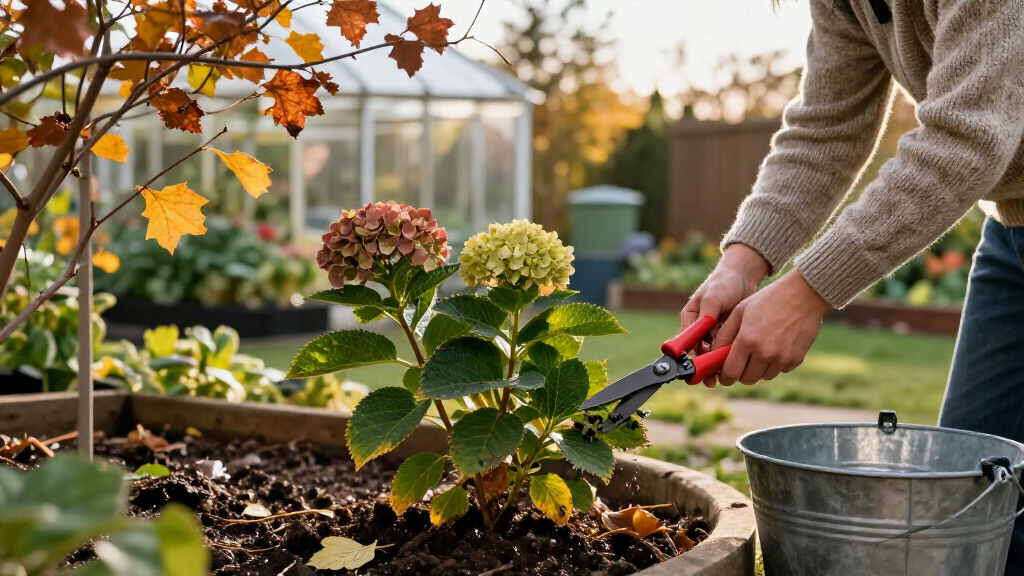
For peonies and hostas, the guide recommends removing foliage after it has died back. Peony leaves can be cut once yellow or brown, or sooner if they appear diseased; the report says infected material should go in the garbage rather than the compost. Hostas should be cut back after their leaves have died, not while they remain green. In both cases, avoid damaging the plant’s crown.
Bearded irises and daylilies also benefit from keeping healthy foliage until it starts dying back, since green leaves continue gathering energy for the following growing season. The report suggests cutting iris fans to about 4 to 6 inches (10 to 15 centimeters) and daylily leaves to a few inches above the ground. In warmer locations, daylily trimming may wait until December.
For summer-fruiting raspberries, remove the older canes that produced fruit this year by cutting them to the ground, while retaining newer green canes that will bear next year’s crop. Grapevines should be pruned when dormant, but before hard freezes make them too brittle for clean cuts. Cold-hardy lavender, such as English lavender, can be trimmed by about one-third before severe freezing weather, according to the guide.
Avoiding Winter Pruning Mistakes
The guide matters to gardeners because late-fall pruning involves different tasks, not a single cut-back rule. Removing spent foliage can tidy beds and, in the case of peonies, reduce the chance that fungal spores remain in plant debris. Cutting the wrong growth, however, can remove next year’s flowers or fruit: green iris and daylily leaves should remain, and raspberry growers need to distinguish spent canes from the newer ones.
Timing also affects plant response. The report advises waiting until deciduous shrubs are dormant before pruning them, because cuts made before dormancy may prompt vulnerable new growth. For grapevines and lavender, the window is shaped by the approach of freezing weather. Readers should use the plant’s condition and their local forecast rather than treating November as an exact cutoff.
Use sharp, clean pruning tools for clean cuts, the report says, and disinfect blades when moving between plants to limit disease spread. It names rubbing alcohol or a bleach solution as options. Wear gloves and suitable eye protection when pruning, keep tools out of children’s reach, and follow product-label directions if using any disinfectant.
Popular right now

Sony BRAVIA 5 85-Inch Mini LED 4K HDR Smart TV (K-85XR50)

Ninja Foodi 10-Qt DualZone Smart XL Air Fryer, 6-in-1, DZ550

Dyson Airwrap i.d. Multi-Styler for Straight and Wavy Hair
As an affiliate, we earn on qualifying purchases.
How Late-Fall Timing Varies
The report frames November as a common pruning period in many gardens, not a date that applies everywhere. A warmer climate can delay the work, while a hard freeze can narrow the window for grapevines. Some pruning is triggered by a visible change—such as peony leaves yellowing or perennial foliage dying back—rather than by the calendar alone.
It also distinguishes perennial cleanup from shrub pruning. For perennials, the guidance is to leave a couple of inches of stem above the crown and avoid cutting into it. For deciduous shrubs, wait for dormancy. When reducing an overgrown hedge or shrub, the report advises making cuts within the plant to open its interior to sunlight. The source notes that some plants are better pruned in another season, but the supplied article excerpt does not identify those plants.
“Exact timing for these tasks depends on your location, weather, and the plant.”
— Gardening Know How
Local Dates and Missing Plant Advice
The guide does not give a single date that fits every region, and it does not provide location-specific forecasts or hardiness guidance for individual readers. When plants have entered dormancy and when damaging freezes arrive will vary. The supplied source excerpt also ends before its section on plants not to prune in November lists examples, so it cannot support a full account of what gardeners should leave untouched.
The report gives general advice for the seven named plants, but does not specify every cultivar or growing condition. In particular, its lavender recommendation is limited to cold-hardy types, with English lavender given as an example. Gardeners should check guidance suited to their plant variety and local conditions where those details differ.
Check Plants Before Cutting
Gardeners can use the report as a checklist, then inspect each plant before pruning: wait for perennial foliage to die back, identify which raspberry canes already fruited, and confirm grapevines are dormant while the wood is still workable. For lavender, trim only cold-hardy types covered by the advice and do so before severe freezing weather.
Before starting, sharpen and clean tools, disinfect blades between plants, and dispose of diseased debris in the garbage. The next step for readers is to match those recommendations to local weather and plant condition; the source does not provide a later update or a region-by-region schedule.
Key Questions
Which seven plants does the report recommend pruning before winter?
It names peonies, hostas, bearded irises, daylilies, summer-fruiting raspberries, grapevines and cold-hardy lavender. The recommended work differs by plant, and local timing may vary.
Should I cut back green hosta, iris or daylily leaves in November?
Not according to the report. Leave healthy green foliage in place until it begins dying back, because it continues gathering energy. Cut back spent leaves while avoiding damage to the crown.
Which raspberry canes should be removed?
Cut the older canes that fruited this year to the ground. Keep the newer green canes, which are expected to produce next year’s berries, and tie them to a support if needed.
Is November the right pruning time everywhere?
No. The report says timing depends on location, weather and plant condition. Warmer climates may call for later pruning, and some tasks depend on foliage dying back or a plant entering dormancy.
How should I handle diseased plant material and pruning tools?
The report advises putting diseased material in the garbage, not the compost. Use sharp, clean tools and disinfect blades between plants; wear gloves and eye protection, and keep disinfectants and sharp tools away from children and pets.
Source: gardeningknowhow.com