TL;DR
Open a free Amazon Business account
Business pricing, bulk buying and tax-exempt orders.
Create a free accountAs an affiliate, we earn on qualifying purchases.
Zone 9b often gets fewer chill hours than traditional fruit-growing regions, making low-chill varieties essential. Recent breeding advances now offer more options, but microclimates and climate change still influence success.
Many traditional fruit trees require 300–900 chill hours, but in Zone 9b, those hours are often scarce.
Low-chill and no-chill varieties are your best options for reliable fruiting in warm winters.
Climate change is reducing chill hours, so selecting adaptable cultivars is crucial.
Microclimate tweaks—like planting on south-facing slopes—can boost local chill hours.
Breeding programs now develop fruit trees that need as little as 100 chill hours, opening new possibilities for gardeners.
Chill Hours in Zone 9b: Which Fruit Trees Get Enough
Chill hours are winter hours between 32°F and 45°F — the signal trees need to break dormancy and bloom. In Zone 9b’s mild winters, those hours are scarce. This guide covers which fruit trees thrive, how climate change is shrinking the chill, and the low-chill varieties changing the game.
What Are Chill Hours — and Why Zone 9b Falls Short
Chill hours accumulate over winter whenever temperatures sit between 32°F and 45°F. Without enough of them, trees bloom erratically, set poor fruit, or confuse pollinators entirely. A traditional apple needing 400–700 hours may see only 150–300 in a typical Zone 9b garden.
Chill Requirements vs. Zone 9b Supply
Compare each tree’s typical chill requirement against the 100–300 hours most Zone 9b gardens actually receive. Green means reliable, amber means possible with the right cultivar and microclimate, red means a losing battle.
| Fruit Tree | Typical Chill Need | Zone 9b Supply (100–300 hrs) | Low-Chill Option? |
|---|---|---|---|
| Figs & Citrus | None required | ✓ Perfect fit | Not needed |
| Peaches & Nectarines | 300–900 hrs | ~ Marginal | ✓ 100–200 hr cultivars |
| Plums (e.g. Santa Rosa) | 200+ hrs | ~ Workable | ✓ Low-chill versions |
| Pears | 300–600 hrs | ~ Marginal | ~ Limited options |
| Cherries | 200–600 hrs | ~ Risky | ~ Few cultivars |
| Apples (traditional) | 300–800 hrs | ✓ Insufficient | ~ Some low-chill types |
Low-Chill Varieties Changing the Game
Breeding programs have spent years selecting trees that wake up faster and flower reliably in warm winters — opening orchard possibilities that didn’t exist a generation ago.
Figs & Citrus
Black Mission and Kadota figs need virtually no chill and thrive in heat. Oranges, lemons, and mandarins are warm-zone staples — no dormancy math required.
Desert Gold Peach
A standout of modern breeding: needs only 150 chill hours yet produces juicy, sweet fruit. Flowers reliably even in the mildest Zone 9b winters.
Tropic Beauty Nectarine
Developed specifically for warm climates, fruiting dependably with just 100–200 chill hours. Low-chill plums like Santa Rosa round out the stone-fruit lineup.
How Climate Change Is Cutting Your Chill Hours
Milder winters mean fewer chill hours in many regions — some that once averaged 400 hours now hover near 150–200. Cherries that bloomed reliably in February may now bloom in March, or not at all, still waiting for cold that never comes.
The takeaway: as chill hours decline, choosing adaptable cultivars isn’t just smart — it’s essential. Pair low-chill varieties with microclimate tactics and your warm winter becomes an asset, not an obstacle.
Work the Microclimate, Win the Harvest
You can’t create cold, but you can catch more of it. Position trees where chill accumulates — a heat-retaining wall can add 50–100 effective chill hours — and monitor your yard with a garden thermometer to find naturally colder pockets.
Measure First
Check local weather records or online chill hour calculators using historical temperature data. Extension services offer region-specific numbers.
Plant Near Thermal Mass
A wall that absorbs daytime heat and radiates it at night can add 50–100 effective chill hours for a low-chill peach planted alongside.
Use Slopes & Airflow
South-facing slopes and open, sunny spots help cold air settle and accumulate. Avoid shaded pockets that reduce chill accumulation.
Watch for Warning Signs
Irregular flowering, poor fruit set, or delayed blooming signal insufficient chill — adjust the microclimate or switch varieties.
The Path to Fruit in a Warm Winter
Know Your Chill
Pull historical data for your exact site — Zone 9b typically offers 100–300 hours.
Pick Low-Chill Trees
Choose cultivars like Desert Gold Peach or Tropic Beauty needing ≤200 hours.
Tune the Microclimate
Plant near thermal mass and slopes to capture dozens of extra chill hours.
Harvest & Adapt
Enjoy reliable fruit — and stay alert to new cultivars as climates shift.
What Are Chill Hours and Why Do They Matter in Zone 9b?
Chill hours are the winter hours when temperatures hover between 32°F and 45°F. This period is crucial for many fruit trees to break dormancy and set fruit. Without enough chill, trees may bloom unpredictably or produce poor-quality fruit. In Zone 9b, average chill hours often fall below the traditional needs of classic varieties — sometimes as low as 100 hours in milder areas.
For example, a traditional apple tree might need 400–700 chill hours, but in a typical Zone 9b garden, you might only see 150–300. That’s why understanding your specific site’s chill hours is key. If you plant a high-chill apple in a low-chill zone, you might get blossoms but no fruit, or erratic flowering that confuses pollinators.
To get a handle on your own chill hours, check local weather records or use online tools that analyze historical temperature data. This info helps you avoid planting the wrong varieties or wasting effort on trees that won’t wake up properly.
As an affiliate, we earn on qualifying purchases.
Which Fruit Trees Do Well in Zone 9b Without Many Chill Hours?
Many fruit trees can flourish in Zone 9b, even with limited chill hours. The key is choosing low-chill or no-chill varieties that have been bred specifically for warmer climates. Citrus, figs, and certain stone fruits are your best bets.
For example, figs like Black Mission or Kadota need virtually no chill hours and thrive in the heat. Citrus trees such as oranges, lemons, and mandarins also don’t require chill and are staples for warm zones.
When it comes to stone fruits, look for cultivars like Desert Gold Peach or Tropic Beauty Nectarine. These are developed to fruit with as few as 100–200 chill hours. Some plum varieties, like Santa Rosa, also do well with minimal chill.
In your garden, these trees put on a symphony of colors, smells, and textures. Think of a bright orange citrus tree against your yard’s backdrop of desert blooms — that’s the kind of success low-chill varieties can deliver.
As an affiliate, we earn on qualifying purchases.
How Climate Change Is Shrinking the Chill Hours You Get
Climate change is quietly reshaping your winter. Milder temperatures mean fewer chill hours, sometimes dropping below the thresholds traditional fruit trees need. Some regions that once averaged 400 hours now hover around 150–200, making it tougher to grow classic varieties.
This shift affects everything from flowering times to fruit set. For example, a cherry tree that used to reliably bloom in February might now bloom in March or not at all, because it’s waiting for those missing chill hours.
Gardening in Zone 9b now often means adapting to these changes. Breeders are working overtime to develop low-chill cultivars, and microclimate tweaks—like planting on south-facing slopes—can increase local chill hours by a few dozen, making a real difference.
Understanding these shifts is vital. If you’re planting now, choose adaptable varieties and consider how your garden’s microclimate can give you an edge.
As an affiliate, we earn on qualifying purchases.
Choosing the Right Fruit Trees for Your Microclimate — Here’s How
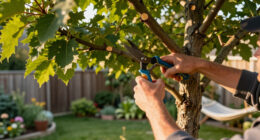
Microclimates are your secret weapon. A few simple tricks can boost the chill hours your garden receives, even in a mild winter. Think south-facing slopes, planting near heat-retaining structures, or creating windbreaks that trap cold air.
For example, if you plant a low-chill peach near a wall that absorbs daytime heat and radiates it at night, you could add 50–100 hours of effective chill. Similarly, planting in a shaded area might reduce chill hours, so choosing open, sunny spots is better.
Use a garden thermometer to monitor temperatures and identify spots that naturally experience more cold. Over time, you’ll discover pockets in your yard that can reliably give your trees the chill they need.
Another tip: combine microclimate tactics with low-chill varieties. That pairing can make your fruit dreams a reality, even in those surprisingly warm winters.
fruit tree breeding low chill varieties
As an affiliate, we earn on qualifying purchases.
As an affiliate, we earn on qualifying purchases.
The New Breed: Low-Chill Fruit Varieties Changing the Game
Breeding programs are turning out varieties that need less chill — sometimes as little as 100 hours. These cultivars are a game-changer for warm climates like Zone 9b.
For example, the Desert Gold Peach only needs 150 chill hours, yet it produces juicy, sweet fruit. Similarly, some plums and nectarines now come in low-chill versions that flower reliably in warm winters.
These new varieties aren’t just a fluke. Researchers and growers have spent years selecting for trees that wake up faster, flower later, or tolerate fewer cold hours. This means you can still enjoy a diverse orchard without waiting for a rare cold snap.
Keep an eye on local nurseries and online breeders for these low-chill options. They’re your best shot at consistent fruiting amid shifting climate patterns.
Frequently Asked Questions
How do I measure the chill hours in my yard?
Check local weather data or online chill hour calculators that analyze your historical temperature records. Many garden centers and extension services also provide region-specific info.What fruit trees are best for low chill hours in Zone 9b?
Citrus, figs, and low-chill stone fruits like certain peaches, plums, and nectarines are your top options. Look for cultivars specifically bred for warmth.Can I improve chill hours in my garden?
While you can’t create cold, microclimate modifications like planting on south-facing slopes or near heat-retaining structures can increase local chill hours by a few dozen, helping your trees wake up better.Are there new fruit varieties for warm climates?
Yes, breeders are developing low-chill cultivars that perform reliably with as few as 100–200 chill hours, broadening your options.What are signs my trees aren’t getting enough chill?
Look for irregular flowering, poor fruit set, or delayed blooming — these often indicate insufficient chill hours. Adjust your microclimate or choose different varieties accordingly.Conclusion
Growing fruit trees in Zone 9b isn’t about fighting the climate — it’s about working with it. Choosing low-chill varieties, tweaking your microclimate, and staying updated on new cultivars can turn your warm winter into a fruitful season. The right tree in the right spot is your best shot at a lush, productive orchard in the desert’s heart.NFL season / tailgating Picks
team gear
As an affiliate, we earn on qualifying purchases.