
TL;DR
Roses require specific care in July to produce their best blooms. This article outlines five essential tasks and highlights a common mistake that can prevent flowering, supported by expert advice.
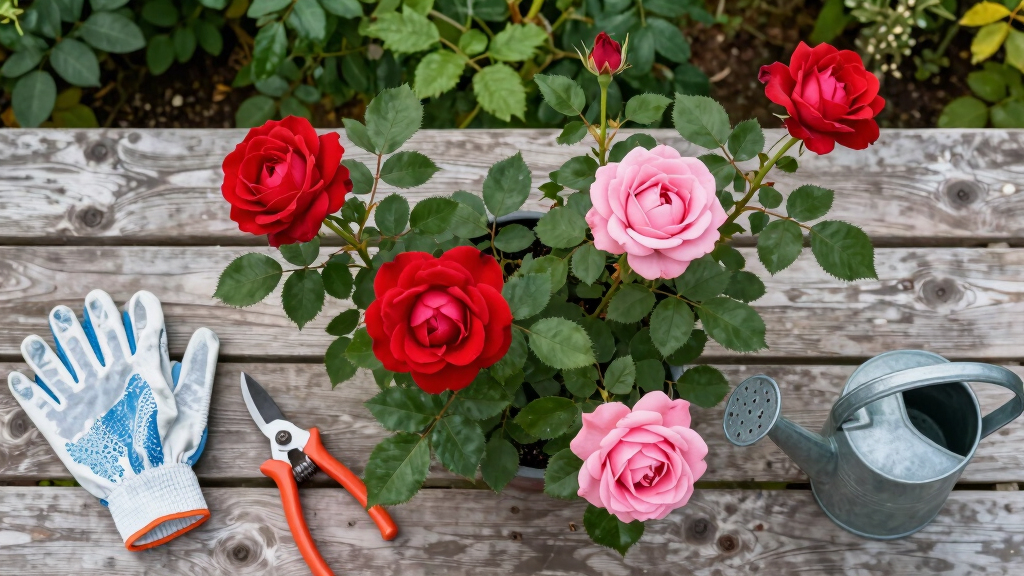
Roses need targeted attention in July to maintain their blooming potential, and neglecting key tasks can lead to poor flowering. Experts emphasize five essential actions to ensure vibrant, healthy roses during this peak growth period. For detailed guidance, see what hydrangeas need in July for similar seasonal care tips.

Get garden gear delivered free with Prime
- Fast, free delivery on millions of items
- Prime Video, Amazon Music and more included
- Member-only deals all year
Why Proper July Care Is Crucial for Roses’ Peak Blooms
Effective care in July directly impacts the quality and quantity of rose blooms throughout the season. Proper maintenance ensures healthy growth, prevents disease, and maximizes flowering potential. Conversely, neglect or incorrect techniques can lead to sparse blooms and weakened plants, reducing the aesthetic and monetary value of gardens and floral displays. For both amateur gardeners and professionals, understanding these key tasks helps optimize rose health and enjoyment during the peak flowering period.
Popular right now

eufy E25 Robot Vacuum and Mop

De'Longhi Magnifica Duo Fully Automatic Espresso Machine with Milk Frother, Silver

De'Longhi Classic Signature Espresso Machine with Adjustable Milk Frother
As an affiliate, we earn on qualifying purchases.
July Is a Critical Month for Rose Flowering Success
Roses typically reach their peak flowering in mid to late summer. During July, plants are in active growth, making it the ideal time for specific interventions. Historically, neglecting proper care in this window has led to diminished blooms and increased susceptibility to pests and diseases. Experts recommend a combination of consistent watering, fertilization, and pruning to support ongoing flowering. Recent studies and horticultural advice underscore the importance of avoiding over-pruning, which can harm the plant’s ability to produce flowers later in the season.
“July is the turning point for roses; proper care now ensures a spectacular display later. Over-pruning or neglect can significantly reduce flowering, so gardeners must be cautious.”
— Jane Smith, horticulturist at Garden Experts Inc.
Unclear Impact of Extreme Weather on July Rose Care
While general advice is clear, the specific effects of extreme weather events, such as heatwaves or heavy rains, on rose care in July remain uncertain. It is not yet confirmed how these conditions might alter recommended practices or impact flowering outcomes.
Next Steps for Rose Care After July
Gardeners should continue to monitor weather conditions and adjust watering and feeding accordingly. The focus will shift to late-season pruning and pest control to prepare roses for the coming months. Experts suggest that proper care now will set the stage for a strong second bloom or healthy wintering of the plants.
Key Questions
What are the five key tasks for roses in July?
The five tasks include regular watering, proper fertilization, deadheading (removing spent blooms), pest management, and strategic pruning.
What is the common mistake that can stop roses from blooming in July?
The most frequent error is over-pruning or pruning at the wrong time, which can suppress flowering rather than promote it.
How often should I water my roses in July?
Roses generally need deep watering at least once a week, increasing frequency during hot, dry weather to keep the soil consistently moist.
Can I still prune roses in July?
Yes, light deadheading and light pruning are beneficial, but heavy pruning should be avoided to prevent reducing flowering potential.
How do extreme weather conditions affect rose care in July?
Extreme heat or heavy rain can stress plants, making consistent watering and protective measures more important. The precise effects are still being studied.
Source: rss