
TL;DR

Get garden gear delivered free with Prime
- Fast, free delivery on millions of items
- Prime Video, Amazon Music and more included
- Member-only deals all year
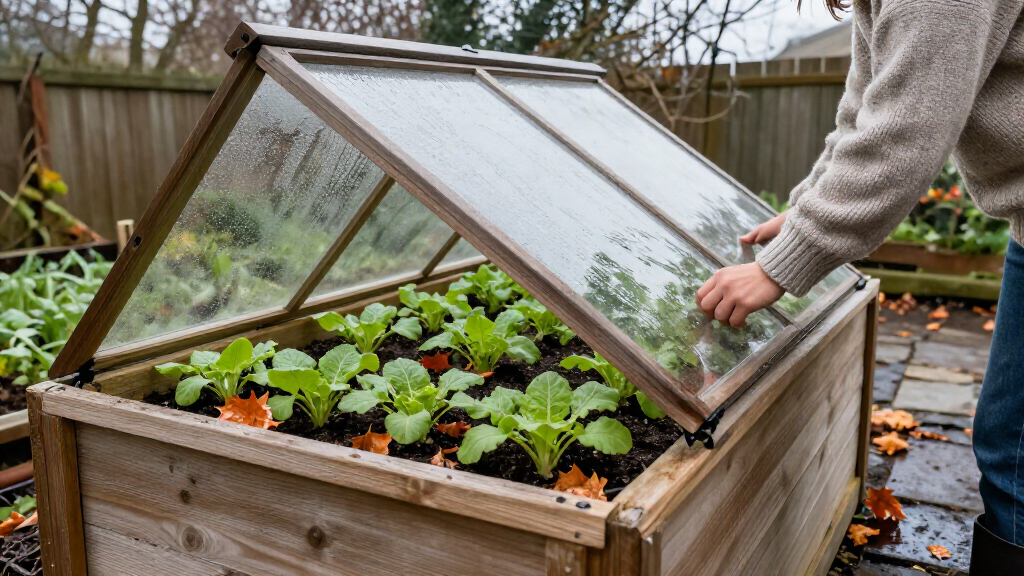
Planet Natural’s November cold-frame guidance says frost outdoors does not mean a frame should stay closed: sunlight can quickly heat its enclosed air. It recommends monitoring temperature at plant height, venting as readings approach the crop’s preferred range, and closing the frame as afternoon heat fades. Crop-specific targets and local conditions matter; the guidance is not a universal temperature rule.
Planet Natural’s November guidance warns that a cold frame can become too warm on a sunny day even when frost remains outside, and recommends adjusting its lid through the day using a thermometer placed near the plants. The advice matters to gardeners protecting greens and seedlings: a closed frame can trap heat, while opening it too abruptly in freezing or windy conditions can expose crops to a sudden chill.
The report’s central recommendation is to manage the frame according to measured air temperature at crop height and the plants’ needs—not the calendar, outdoor feel, or condensation on the glazing. It advises placing a sensor in shade, clear of leaves, soil, glass and frame walls, since direct sun can heat the thermometer and distort the reading. A minimum-maximum thermometer can show highs and lows missed between checks; a remote sensor is useful only if someone can respond.
For cool-season seedlings after germination, the report cites Nebraska Extension’s reference range of about 60–65°F at plant level. It says this is an example for that group of plants, not a universal target; established winter greens may tolerate much cooler conditions. As the temperature approaches the upper end of a crop’s preferred range, gardeners should increase ventilation and check whether the reading falls. A small opening that works under cloud may be insufficient in direct sun.
In the morning, check the thermometer and forecast before opening widely. Remove an opaque night cover when conditions allow daylight and safe warming, but do not force a lid frozen shut. Use a secure lid stay or prop, and consider opening on the side away from the prevailing wind, as University of Missouri Extension guidance recommends. In late afternoon, reduce ventilation and close the frame once the risk of excess daytime heat has passed, while accounting for the evening forecast and any needed night cover.
Protecting Crops From Heat Swings
The practical issue is the difference between outdoor frost and the conditions inside a sunlit enclosure. A cold frame protects plants from exposure, but its glazing can also trap warmth. Leaving it shut solely because the morning is cold may let temperatures climb beyond what a particular crop tolerates; opening it fully into a freezing breeze can create another stress. The routine treats ventilation as a response to changing conditions rather than a fixed noon task.
That distinction matters especially when no one is home to adjust the lid. The report suggests a correctly fitted automatic vent opener as one possible aid, but cautions that it must match the lid and be installed according to its manufacturer’s directions. It does not clear snow, resolve hinge problems, or guarantee that a small vent can release enough heat. Gardeners should observe its operation across sunny and cold periods before relying on it.
The guidance also separates temperature management from watering. A hot or drooping plant does not automatically need water: check both the air reading and soil moisture. Because a frame excludes some rainfall, the growing medium may be dry even when nearby ground is damp. When watering is needed, direct it to the soil and allow excess to drain.
Popular right now

De'Longhi Rivelia Automatic Espresso Machine with Milk Frother – White

DeLonghi Rivelia Automatic Espresso Machine Bundle with Grinder and Frother, Beige

Vitamix Propel Series 510 Professional-Grade Blender, 3 Programs, Black
As an affiliate, we earn on qualifying purchases.
A Frame Changes With the Sun
The supplied Planet Natural report focuses on routine operation in November, rather than presenting a new product or a measured study. Its premise is that a clear lid can admit sunlight and warm a small enclosed space while outside air remains cold. The report offers a practical schedule—morning checks, increased late-morning venting, a plan for midday absences, and reduced ventilation toward evening.
It cites extension guidance for two specific points: Nebraska Extension’s approximate temperature example for cool-season seedlings after germination, and University of Missouri Extension’s recommendation to open the frame away from prevailing wind. Those references do not establish one setting for every plant or location. Crop, forecast, frame design and local exposure affect how much and when to vent. The report also notes that soil moisture must be checked separately; lid condensation is not a substitute for either an air-temperature reading or a soil check.
Targets Depend on Crop and Weather
The supplied material does not give a single safe temperature range for all cold-frame plants, nor does it specify one opening size or timing that works in every frame. The cited 60–65°F range applies to cool-season seedlings after germination; the report says established winter greens may tolerate much cooler conditions. It does not provide crop-by-crop thresholds or local forecast details.
How much ventilation is enough also depends on sunlight, wind, lid construction and the frame’s location. The report does not quantify how quickly a particular frame heats up. An automatic opener’s performance depends on its fit and setting, and a remote reading cannot help if nobody is able to act on it. Gardeners must observe their own setup and respond to measured conditions.
Check Readings Through the Day
The report’s recommended next step is a daylong check of the frame’s temperature and soil: read the thermometer before opening, monitor the rise as sun reaches the lid, and reassess after venting. Secure the lid against wind and check that ice or snow has not affected the glazing or hinges. If using an automatic opener, follow its instructions and test it during different weather before depending on it.
As sunlight fades, reduce the opening and close the frame when excess heat is no longer a risk, taking the overnight low and any night cover into account. Water only if the root zone needs it, preferably early enough for foliage to dry before the frame is closed. Where manual checks are not possible, arrange a reliable midday visit, use a suitable tested vent opener, or consider moving portable trays to another protected location.
Key Questions
Can a cold frame overheat when it is frosty outside?
Yes. Sunlight can warm the enclosed air beneath a clear lid even while outdoor conditions remain cold. Check a thermometer near the plants rather than relying on the outdoor temperature.
Where should I place a thermometer in a cold frame?
Put the sensor at current crop height, shaded from direct sun and clear of leaves, soil, glazing and the frame wall. Those surfaces or direct sunlight can distort its reading.
What temperature should I aim for?
The report cites about 60–65°F for cool-season seedlings after germination, based on Nebraska Extension guidance. It is not a universal target: crop type and growth stage matter, and established winter greens may tolerate cooler conditions.
What if I cannot check the frame at midday?
Options include arranging a dependable check or installing a compatible automatic vent opener according to its manufacturer’s directions and testing it in varied weather. If neither is workable, the report suggests considering another protected location for portable trays.
Should I water if plants wilt in a warm frame?
Not automatically. Check air temperature and soil moisture first. If the soil is wet, cool the frame and assess the plants; if the root zone is dry, water the soil carefully and allow excess to drain.
Source: planetnatural.com