
TL;DR

Get garden gear delivered free with Prime
- Fast, free delivery on millions of items
- Prime Video, Amazon Music and more included
- Member-only deals all year
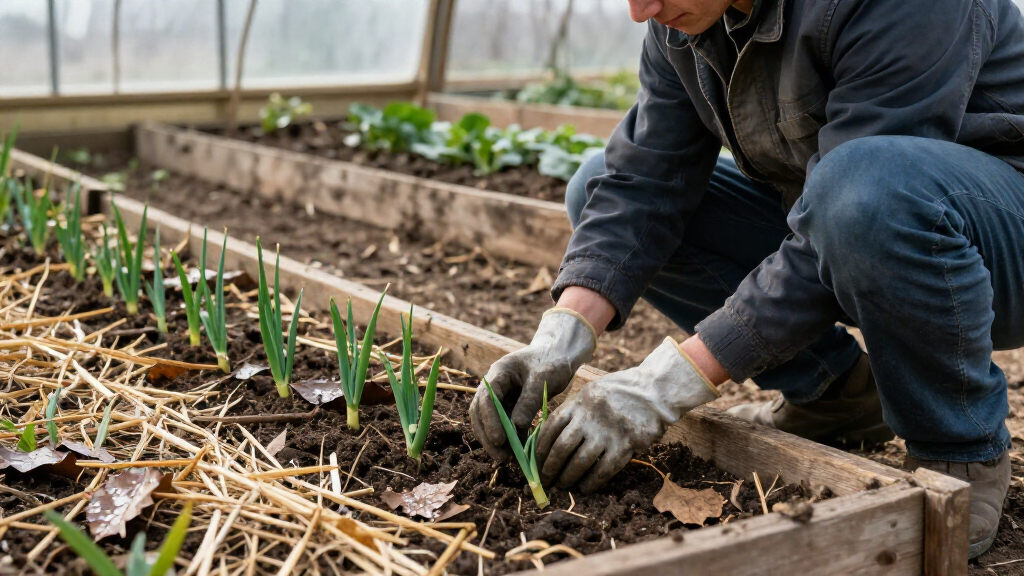
Green garlic shoots appearing before winter do not, by themselves, mean the crop has failed. Gardening guidance cited by Planet Natural says to leave healthy leaves attached, check whether cloves and roots remain covered, and use region-specific mulch advice rather than digging up or cutting back plants.
Garlic shoots appearing above ground in autumn do not automatically mean a crop has failed, according to gardening guidance in a Planet Natural report. Gardeners should leave healthy leaves attached, check whether the cloves and roots remain covered, and adjust winter mulch based on local conditions rather than digging up plants or cutting off their tops.
The report separates early growth into three situations: a few short green tips, a row with several inches of foliage, and cloves or roots that have become exposed. Short shoots in otherwise undisturbed soil generally call for observation and an appropriate local winter-mulch plan. A larger amount of foliage is more exposed to cold, but the report still advises keeping leaves intact and checking the soil cover.
Exposed roots or a partly uncovered clove need more attention than a green tip alone. When the ground has thawed and is workable, gardeners can gently move aside a little mulch to inspect the soil line. If roots or a clove are exposed, return loose soil around them without pulling on the shoot or forcing the plant into frozen ground. The leaves should remain above the soil.
Mulch can moderate soil-temperature swings and help limit frost heaving, when repeated freezing and thawing lifts plants. The report cites regional differences: Minnesota Extension recommends three to four inches of leaf or straw mulch, while Iowa State recommends four to six inches of weed-free straw in November. New Hampshire advises applying winter mulch once the ground is frozen. These are local recommendations, not one universal depth or timing rule.
Protecting Roots Without Damaging Shoots
The difference between visible leaves and exposed roots changes what a gardener should do. A green tip can be a normal response to warm autumn soil and may survive winter; an uncovered clove or roots face greater exposure to cold and drying. Treating both conditions as a crop emergency can lead to unnecessary digging, broken foliage or repeated disturbance of rooted cloves.
Winter cover also has to suit the bed. A suitable loose mulch can reduce temperature swings, but adding more is not always better. A dense, wet layer may stay saturated, and an insulating blanket cannot fix standing water or poor drainage. In cold regions, windblown gaps may need attention; in milder areas, a heavy northern-style cover may not fit local advice.
Popular right now

Ninja Specialty Coffee Maker CM401, 10-Cup Carafe, Fold-Away Frother, Black

DeLonghi Rivelia Automatic Espresso Machine Bundle with Grinder and Frother, Beige

Vitamix Propel Series 510 Professional-Grade Blender, 3 Programs, Black
As an affiliate, we earn on qualifying purchases.
Why Autumn Garlic Can Shoot Early
Garlic planted in fall is generally meant to establish roots before winter, with limited growth above ground. Warm autumn soil can bring shoots up early, even when planting took place on a reasonable local schedule. The timing of visible growth alone does not establish that cloves were planted incorrectly or that the crop is lost.
The report attributes reassurance to the University of New Hampshire’s garlic guidance, which says fall shoots usually survive winter. It also cites Iowa State Extension, which says foliage killed back by cold may regrow, although losing that growth can reduce the eventual crop. Neither point guarantees that every exposed leaf or variety will escape damage.
Cold response depends on more than a single air-temperature reading. The source notes that cold duration, acclimation, mulch, snow cover and soil conditions all affect what happens around a clove. Regional recommendations therefore differ, including over mulch depth and when to apply it.
What the Green Shoots Cannot Tell You
Leaf height alone cannot show whether garlic was planted too shallowly or whether roots have been exposed. The report says planting-depth instructions can be measured differently: a stated depth may refer to the clove’s base or to soil above its tip. Gardeners need to check the soil line gently rather than infer the planting depth from the shoot.
There is no single mulch depth or application date that applies to every climate. The source provides examples from extension services, but the right response depends on local winter conditions, the garlic variety, soil drainage and the cover already in place. The report does not provide a forecast for any specific garden or confirm that an individual planting will survive a particular cold spell.
Check the Bed as Cold Approaches
Gardeners can first inspect the bed without pulling plants: look for raised clumps, cracks, gaps in windblown mulch, ponding after rain and soil around the clove. If roots are exposed, restore loose soil cover when the ground is thawed and workable. Keep foliage above ground and avoid working frozen soil.
As sustained cold approaches, use mulch timing and depth recommended for the region, then check coverage after wind or heavy rain. In wet beds, address drainage where possible without disturbing roots; extra insulation will not resolve standing water. The next useful check is how the planting and its cover fare under local winter conditions, not whether every shoot can be hidden.
Key Questions
Does garlic sprouting before winter mean the crop has failed?
No. The Planet Natural report says warm autumn soil can produce early shoots and cites University of New Hampshire guidance that fall shoots usually survive winter. That is not a guarantee for every plant or location.
Should I cut off garlic leaves that appear in autumn?
No; leave healthy leaves attached, according to the report. Cutting them is unnecessary, and the guidance does not recommend disturbing the plant just because green tips are visible.
When should I add mulch to sprouted garlic?
Follow local extension guidance for timing and depth. Recommendations differ: the report cites Minnesota guidance of three to four inches of leaf or straw mulch, Iowa State’s four to six inches of weed-free straw in November, and New Hampshire advice to mulch once the ground is frozen.
What should I do if garlic roots or a clove are exposed?
When the soil is thawed and workable, gently return loose soil around the exposed roots or clove. Do not pull on the shoot or force the clove into frozen soil; keep the leaves above the soil.
Can I use one cold-temperature threshold to decide whether garlic is safe?
The report advises against relying on a single air-temperature number. Cold duration, plant acclimation, mulch, snow cover and conditions around the clove can all affect exposure.
Source: planetnatural.com