TL;DR
Open a free Amazon Business account
Business pricing, bulk buying and tax-exempt orders.
Create a free accountAs an affiliate, we earn on qualifying purchases.
Frost cloth can stay on plants for days or weeks, but it’s safest to remove it during warm daytime hours once temperatures rise above 40°F. Leaving it on too long risks light deprivation, heat buildup, and disease. Proper timing maximizes protection without harming plants.
Ever left frost cloth on your garden longer than needed? It’s tempting to keep it on, especially during unpredictable cold spells. But that can do more harm than good. Frost cloth is a handy shield, yet it’s not a forever blanket. Knowing exactly how long it can stay on without hurting your plants makes the difference between healthy growth and stress or damage.
In this guide, you’ll learn how long frost cloth can safely stay over your plants, what signs to watch for, and how to manage it through changing weather. Staying aware of these details helps you protect your garden without accidentally causing problems.
Remove frost cloth during warm daytime hours once temperatures reach around 40–50°F to avoid light deprivation and heat buildup.
Lightweight covers can stay on for days to weeks, but active plants need regular removal to prevent disease and stress.
Heavyweight frost covers are meant for short-term use; avoid leaving them on active plants longer than a few days.
Inspect under the fabric regularly for mold, pests, and moisture problems, especially during extended cold spells.
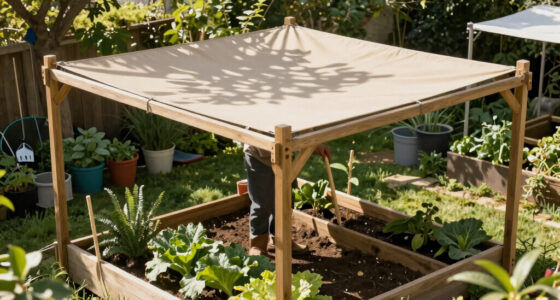
Support or elevate fabric to prevent direct contact with plant foliage, reducing the risk of freeze-burn and abrasion.
How Long Frost Cloth Can Stay On Without Harming Plants
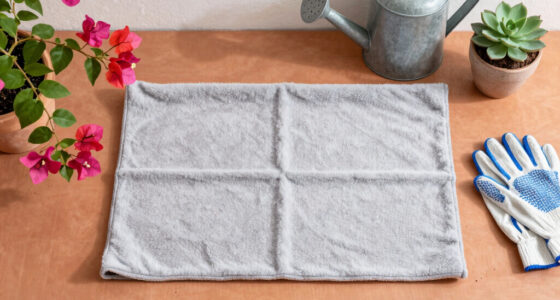
Frost cloth can remain in place for several days—or even weeks under the right conditions—but it is not a forever blanket. Remove it during warm daytime hours when temperatures reach roughly 40–50°F to restore light, release heat and reduce disease pressure.
The heavier the cloth, the shorter the safe window
Fabric weight controls insulation, light transmission and airflow. Active plants need closer management than dormant shrubs or perennials.
Lightweight
Suitable for extended cold spells and season-long row-cover use. Open or remove it during warm, sunny periods, and uncover flowering crops for pollinators.
Medium weight
A practical choice for multiple frosty nights. Remove it during mild spells to prevent stretched growth, excess humidity and fungal pressure.
Heavyweight
Best for short freezes and dormant plants. Its restricted light and airflow make prolonged coverage risky for seedlings, vegetables and tender new growth.
A simple cover–check–uncover cycle
The calendar matters less than the conditions beneath the cloth. Temperature, sunshine, moisture and growth stage determine when protection becomes stress.
Prepare the soil
Water before covering when appropriate. Moist soil stores and releases more heat than dry soil.
Cover before dusk
Trap soil-radiated warmth and anchor every edge securely at ground level.
Wait for thaw
Remove the fabric mid-morning after frost has melted from leaves and surfaces.
Inspect and reset
Check moisture, mold, pests and damaged foliage before reapplying late afternoon.
Overcast, sub-freezing days
Continuous coverage is usually reasonable during a genuine cold wave, particularly with lightweight fabric and dormant or cool-season plants.
Sunny or mild daytime hours
Uncover active plants once conditions warm. Seedlings, blossoms and tender vegetables should receive the highest priority.
What prolonged coverage does to plants
Damage is rarely caused by the fabric alone. It develops when darkness, warmth, trapped moisture and physical contact combine beneath an unmanaged cover.
Light deprivation
Pale leaves, yellowing and stretched, weak stems indicate etiolation. Seedlings and actively growing plants decline fastest.
Heat buildup
Sun can push temperatures beneath the cloth 10–20°F or more above ambient, scorching growth or triggering premature bud break.
Fungal disease
Persistent humidity and wet foliage favor botrytis, powdery mildew, damping-off and other moisture-related infections.
Stagnant airflow
Poor ventilation compounds heat and disease stress while slowing the drying of leaves, stems and the soil surface.
Pollinator exclusion
Covered squash, cucumbers and fruit blossoms may miss their pollination window. Open flowering crops during pollinator activity.
Contact damage
Fabric on wet foliage can transfer freezing temperatures, abrade leaves and create localized freeze-burn during hard frost.
Match the strategy to the plant
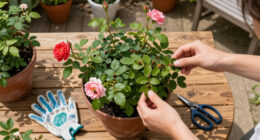
Dormancy changes the equation. A dormant rose can tolerate a long winter wrap that would seriously weaken a spring tomato seedling.
| Plant or condition | Extended coverage | Daytime removal | Best cloth | Main concern |
|---|---|---|---|---|
| Spring seedlings | ✗High risk | ✓Prioritize daily | Lightweight | Heat and etiolation |
| Active vegetables | ~Several cold days | ✓Above 40–50°F | Light or medium | Light, humidity, pests |
| Kale, spinach, lettuce | ✓Days to weeks | ~Vent in warmth | Lightweight | Overheating in sun |
| Flowering crops | ✗Not while blooming | ✓Open for insects | Lightweight | Pollinator exclusion |
| Dormant shrubs and roses | ✓Winter-long possible | ~Inspect periodically | Heavy or burlap | Moisture and abrasion |
| Sunny mild spell | ✗Remove or vent | ✓Strongly advised | Any weight | Rapid heat buildup |
Protection works as a connected system
Five habits that prevent damage
Protection is most effective when it responds to weather rather than following a rigid number of days.
How Long Can Lightweight Frost Cloth Stay On Without Harming Plants?
Lightweight frost cloth, often weighing 0.5 to 0.9 oz/yd², lets in plenty of light—around 85–95%. This level of transparency is crucial because it allows plants to continue photosynthesis while providing insulation. If kept on for too long, however, even breathable fabric can cause issues. Extended coverage can lead to light deprivation, which stunts growth, causes etiolation (stretching and pale color), and reduces the plant’s ability to produce energy. Moreover, heat buildup beneath the fabric during sunny days can create a greenhouse effect, potentially raising temperatures to levels that stress or damage tissues.
For example, a gardener in Zone 9 might leave a light frost cloth on her tomatoes during a mild cold snap, checking daily to remove it during warm afternoons. As long as she removes it when temps reach 40–50°F, her plants stay safe and healthy. The key is understanding that the fabric’s permeability helps, but it doesn’t eliminate all risks—timing and observation are essential.
Therefore, while these fabrics are designed for extended use, they are not indefinite shields. The tradeoff involves balancing protection against frost with the need for adequate light and airflow. Removing the cloth during the warmest parts of the day minimizes risks of heat stress and light deprivation, ensuring plants remain vigorous and less prone to disease.
As an affiliate, we earn on qualifying purchases.
How Long Can Medium Weight Frost Cloth Stay Without Harming Plants?
Medium weight frost cloth (1.0–1.5 oz/yd²) blocks about 70–85% of light, providing a good compromise between insulation and light transmission. This fabric is often used for protection during multiple cold nights, especially in areas with prolonged cold spells. However, even with higher durability, leaving it on continuously during mild days can have detrimental effects. Reduced light availability can lead to etiolation, weakening the plant’s structure and reducing photosynthesis, which impacts growth and vigor. Additionally, heat can accumulate beneath the fabric, risking overheating and creating a humid environment conducive to fungal diseases like powdery mildew or mold.
Imagine a gardener covering her kale during a cold week. She keeps the cloth on at night but removes it in the afternoon when temperatures reach 45°F, giving her plants sunlight and airflow. This practice allows her to maintain a balance—protecting against frost while avoiding the negative effects of prolonged shading and heat buildup. Regular removal during warm hours is critical because it prevents the buildup of moisture and excess heat, which can cause dehydration, fungal infections, and stress.
In essence, medium weight covers are designed for several nights of protection, but they are not meant for continuous coverage during mild weather. The tradeoff involves protecting against frost while ensuring plants receive enough light and air circulation to stay healthy. Consistent management—removing during warm periods—is vital to prevent long-term damage and promote strong, resilient plants.
As an affiliate, we earn on qualifying purchases.
Heavyweight Frost Cover: How Long Is Too Long?
Heavy frost covers (2.0+ oz/yd²) transmit only about 30–50% of light, making them suitable primarily for short-term use—usually 2–3 days during a freeze. These fabrics are designed to provide maximum insulation for dormant plants, like shrubs and perennials, in winter. However, their dense nature means they significantly restrict light and airflow, which can be detrimental if left on for too long during active growth periods. Extended coverage can lead to suffocation, increased humidity, and fungal problems, especially if the plants are not dormant.
For example, a gardener in a cold climate might keep a heavy fleece blanket over her roses for weeks during winter, but only during dormancy. Active plants, especially vegetables and tender perennials, should not be subjected to such heavy coverage for extended periods during mild weather. The risk is that prolonged darkness and trapped moisture promote decay, root rot, or fungal infections, ultimately weakening the plant or causing death.
Therefore, heavy covers are best used for short durations aligned with cold snaps and dormant phases. Always remove them during mild or sunny days to allow light and airflow, reducing the risk of damage. The key is understanding that these covers are a temporary shield—overuse during active growth stages can be more harmful than helpful.
heavyweight frost blanket for plants
As an affiliate, we earn on qualifying purchases.
As an affiliate, we earn on qualifying purchases.
Why Leaving Frost Cloth On Too Long Can Damage Plants
Prolonged coverage with frost cloth can severely impact plant health by depriving them of essential light, which is critical for photosynthesis—the process that fuels growth and development. Without adequate light, plants stretch toward the sun, become elongated, and often turn pale or yellow, signaling stress and reduced vitality. Additionally, the trapped heat and humidity beneath the fabric create a microenvironment that favors fungal pathogens, such as mold and mildew, which can quickly infect foliage and stems. Moisture accumulation on leaves, especially when combined with cold temperatures, can cause freeze-burn or tissue damage—particularly if the fabric is in direct contact with the plant.
Imagine a tomato plant under a heavy cover that stays on for a week. Its leaves turn yellow, and new growth stalls—signs of stress from light deprivation and heat buildup. The humid environment fosters mold spores, which can cause leaf spots and rot. If the fabric touches wet or frozen foliage, it can cause freeze-burn or abrasion, leading to tissue death and increased vulnerability to disease. Such prolonged coverage essentially weakens the plant’s defenses and can result in long-term health issues or death.
To prevent this, always remove frost cloth during the warm part of the day, especially on sunny days, and inspect plants regularly for signs of disease, moisture buildup, or damage. Proper timing and management are crucial to maintaining plant health and ensuring that the protective benefits of frost cloth do not come at the cost of plant vitality.
As an affiliate, we earn on qualifying purchases.
Frequently Asked Questions
Can I leave frost cloth on my plants all winter?
Yes, for dormant plants like shrubs and roses, winter-long covering is common and safe. For active vegetables, it’s best to remove it during mild days to prevent damage. Always tailor your approach to the plant’s growth stage and weather conditions.
Should I take frost cloth off during the day, or is that unnecessary?
It’s best to remove frost cloth during the warmest part of the day once temperatures reach about 40–50°F. This prevents light deprivation, heat stress, and fungal issues, helping your plants stay healthy.
How many degrees of protection does frost cloth actually give?
Most frost cloths provide about 2–8°F (1–4°C) of frost protection, depending on weight. For light frosts, this can be enough. For hard freezes, additional measures are needed.
Will frost cloth touching the leaves hurt the plant?
Yes, direct contact can cause freeze-burn or abrasion, especially in cold, frosty weather. Using supports or hoops to keep fabric elevated prevents this damage.
Can plants photosynthesize under frost cloth / does enough light get through?
Light passes through lightweight frost cloth quite well—up to 95%. As long as you remove the cover during the day, your plants can photosynthesize normally.
Conclusion
Think of frost cloth as a temporary shield, not a permanent blanket. Keeping it on too long risks starving your plants of light, trapping heat, and inviting disease. The real trick is timing—remove during warm hours, reapply before frost hits again, and check regularly.
That way, your garden stays protected, healthy, and ready for the next cold snap. Remember: a little attention now saves a lot of trouble later.
Fall Picks
fall essentials
As an affiliate, we earn on qualifying purchases.