
TL;DR
In Phoenix, install shade cloth early in May before the heat peaks and remove it in late September or October. Matching timing with weather patterns and plant needs ensures maximum protection and longevity.
Phoenix’s sun is fierce, relentless, and unforgiving. If you’ve ever tried gardening or enjoyed outdoor living here, you know the importance of shade. But the real trick isn’t just putting up shade cloth — it’s knowing exactly when to do it and when to take it down.
This guide cuts through the guesswork. You’ll learn the best timing based on actual weather patterns, plant needs, and practical considerations. Because in the desert, timing isn’t just a detail — it’s the difference between thriving or wilting under the sun.
Install shade cloth in late April to early May before the heat peaks.
Remove or adjust shade cloth in late September or October as temperatures drop.
Use 30-50% shade for outdoor comfort, 70-90% for sensitive plants or pets.
Secure shade cloth properly and inspect regularly for damage.
Adjust shade use based on weather forecasts and seasonal changes.
Why Timing Matters: Protecting Plants and Comfort
Shade cloth isn’t just about blocking sunlight; it’s about managing heat and light to keep your plants healthy and outdoor spaces comfortable. Installing it too late means your plants could suffer from heat stress, sunburn, or dehydration during the hottest hours, which can stunt growth or cause irreversible damage. Conversely, installing too early might deprive plants of necessary sunlight during cooler months, hindering growth and reducing overall vitality.
Understanding the importance of precise timing helps you strike a balance—providing enough shade during peak heat to prevent stress and sun damage, while allowing sunlight to reach your plants during milder periods to support photosynthesis and growth. The tradeoff involves assessing how much protection your plants need versus their sunlight requirements, which varies by species, stage of growth, and local weather patterns. This nuanced approach ensures you’re not just shading blindly but tailoring your strategy to optimize health and comfort.
As an affiliate, we earn on qualifying purchases.
When to Put Up Shade Cloth in Phoenix: The Sweet Spot
The best time to install shade cloth in Phoenix is late April to early May. At this point, daytime temperatures are consistently rising above 85°F, and the sun’s strength becomes more intense. Installing shade early isn’t just about comfort—it’s a proactive measure to prevent heat stress, sunburn, and dehydration in vulnerable plants, especially young seedlings or sensitive varieties. Early shading also helps protect outdoor furniture and surfaces from excessive heat buildup, which can degrade materials and shorten their lifespan.
For example, a gardener planting summer vegetables in early May will benefit from shading during the peak heat months, especially from 10 am to 4 pm, when the sun’s rays are most intense. Using automated systems or adjustable setups allows you to fine-tune shading as conditions change. The key is to get the shade up before the thermometer hits 100°F regularly. This proactive step not only shields plants from immediate damage but also reduces the risk of heat-related stress that can stunt growth, make plants more susceptible to pests, or even cause plant death if ignored. Proper timing ensures your plants develop strong, healthy roots and leaves, setting the stage for a productive season.
As an affiliate, we earn on qualifying purchases.
When to Take Down Shade Cloth in Phoenix: The Cooling Transition
The ideal time to remove shade cloth in Phoenix is late September to October. As temperatures steadily fall below 90°F, the need for heavy shading diminishes. Removing shade at this point is crucial because it allows plants to receive more sunlight, which is essential for their fall growth, fruiting, and preparation for cooler months. Additionally, reducing shading prevents unnecessary energy use for cooling outdoor spaces and minimizes the risk of overly shaded conditions that inhibit photosynthesis or cause stagnation, mold, or pest issues.
Imagine a backyard garden in late September — with the heat subsiding, gradually reducing shading lets plants bask in the cooler, more moderate temperatures. For outdoor living spaces, removing shade improves airflow and creates a more inviting environment. If shade remains too long into cooler weather, it can hinder plant maturation and reduce overall vitality. Conversely, removing too early can expose plants to unexpected cold snaps or frost damage. The transition should be gradual, closely monitoring weather forecasts and temperature trends. This approach ensures plants adapt smoothly without undue stress, promoting healthy growth and maximizing their seasonal yield or aesthetic value.
As an affiliate, we earn on qualifying purchases.
Comparison Table: When to Install and Remove Shade Cloth in Phoenix
| Timing | Install | Remove |
|---|---|---|
| Late April to Early May | Before temperatures hit 85°F, ideally as soon as daytime highs regularly exceed 85°F. This preemptive step prevents heat stress and sunburn, giving your plants a shield during the most intense part of the season. Installing at this time also allows plants to establish a healthy canopy and root system without the stress of excessive heat. | N/A |
| Late September to October | N/A | When temperatures stay below 90°F and the risk of heat damage drops significantly, allowing plants to receive more sunlight and energy for their fall growth and fruiting cycles. Removing shade then prevents plants from becoming overly shaded, which can lead to weak growth and susceptibility to pests or diseases. |
As an affiliate, we earn on qualifying purchases.
Practical Tips for Installing and Removing Shade Cloth
- Use UV-resistant, durable shade cloths designed specifically for Arizona’s intense sun to ensure longevity and effectiveness.
- Install the shade at least 6-8 feet above ground for patios and garden beds to allow airflow and reduce heat buildup underneath.
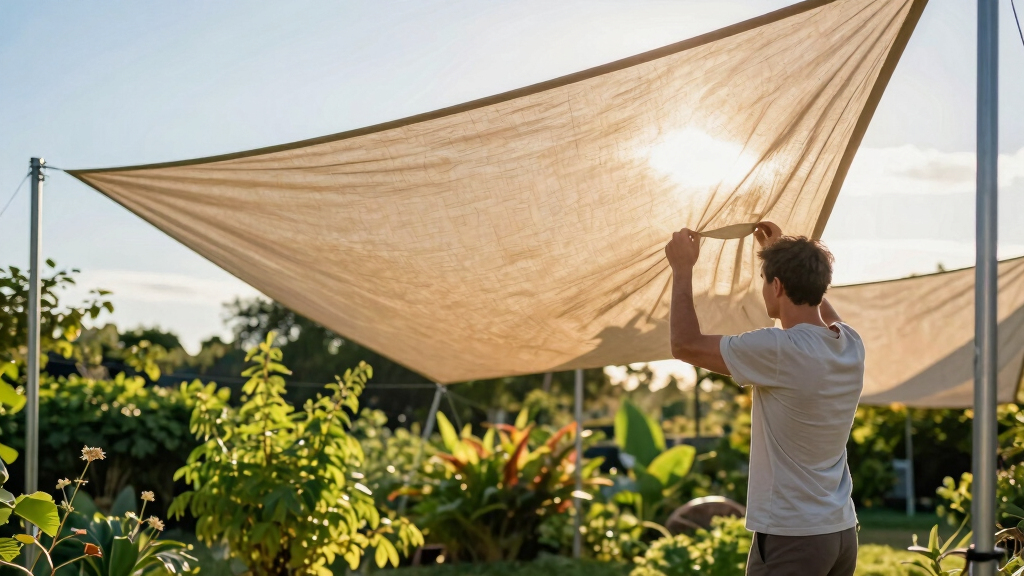
- Secure the edges tightly using grommets, clips, or bungee cords to prevent sagging, flapping, or damage during windstorms.
- Regularly inspect for tears, fraying, or wear, especially after storms or high winds, and repair promptly to maintain protection.
- Adjust or remove shade cloth gradually as weather cools or warms, rather than all at once, to prevent shock to plants and ensure smooth adaptation.
Weather and Other Factors That Affect Shade Cloth Timing
Strong winds, monsoon storms, or unexpected cold snaps can significantly influence your shading schedule. In Phoenix, high winds can tear or dislodge shade structures if not properly secured, so investing in sturdy attachments and regularly checking your setup is crucial. Additionally, unseasonal cold fronts or early frosts might necessitate delaying removal or extending shading to protect sensitive plants from frost damage or cold stress.
For example, a homeowner might choose to keep shade longer if an unexpected cold front is forecasted for early October, giving plants extra protection. Conversely, a windy day in late April might signal the need to reinforce or postpone installation to prevent damage. Recognizing these unpredictable weather patterns allows you to adapt your shading schedule, ensuring your plants and outdoor spaces remain protected without unnecessary stress or damage. This flexibility can be the difference between a healthy, thriving garden and one suffering from weather-related setbacks.
Frequently Asked Questions
Can I leave shade cloth up year-round in Phoenix?
It’s not recommended. Prolonged shading during cooler months can hinder plant growth and reduce sunlight, which is vital for many desert plants in fall and winter.
How do I know if my shade cloth is the right percentage?
For outdoor comfort, 30-50% provides enough shade without overly darkening your space. For delicate plants or pets, 70-90% offers stronger protection. Match the shade percentage to your specific needs.
What’s the best way to secure shade cloth in windy conditions?
Use heavy-duty grommets, clips, or bungee cords, and attach the cloth to sturdy frames or posts. Regularly check for slack or tears after storms. Wind can be fierce here, so reinforcement is key.
Should I automate my shade system?
Automated systems can adjust your shade based on sunlight or time, saving effort and optimizing protection. They are especially helpful if you want a set-it-and-forget-it approach in a busy outdoor space.
Conclusion
Timing your shade cloth correctly is about reading the desert’s rhythm. Be proactive in May, and let go of shading in fall. A well-timed setup keeps your plants thriving, your outdoor space comfortable, and your effort worthwhile.
Imagine a backyard oasis in October — sunlight spilling over lush greenery, breezes flowing freely. That’s the reward for paying attention to the seasons and your shade cloth’s schedule. Keep it simple, stay flexible, and enjoy the shade when it counts.