AIThis post was created with the assistance of artificial intelligence (AI).
TL;DR
A new heat-tolerant jasmine climber is being promoted for gardens in warm regions, offering fragrant blooms throughout summer. It attracts hummingbirds and requires minimal care.
At a glance
reportWhen: ongoing, with increasing popularity dur…
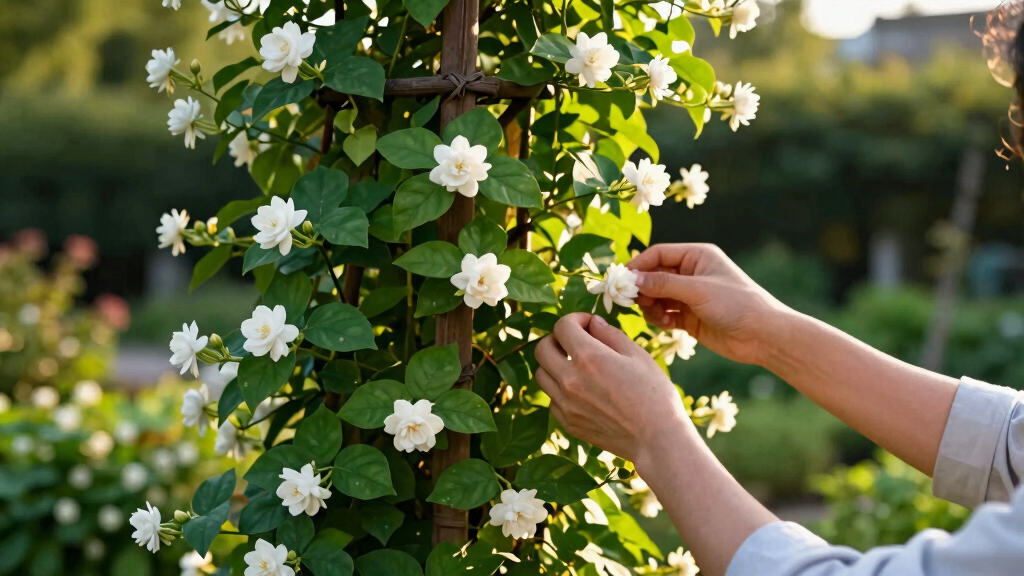
The developmentA heat-loving jasmine climbing plant is becoming popular among gardeners for its summer fragrance and hummingbird attraction, especially in warmer climates.

Before you orderOffer from Amazon
Get garden gear delivered free with Prime
- Fast, free delivery on millions of items
- Prime Video, Amazon Music and more included
- Member-only deals all year
Start your free Prime trial Free trial for eligible customers · Cancel anytime
As an affiliate, we earn on qualifying purchases.
Implications for Gardeners in Hot Climates
This jasmine climber offers a practical solution for gardeners in warm regions seeking to enhance their outdoor spaces with fragrant, low-maintenance plants. Its heat tolerance and ecological benefits, such as attracting hummingbirds, can improve garden biodiversity and aesthetic appeal. As climate change leads to hotter summers, such resilient plants become increasingly valuable for sustainable gardening. However, experts advise that proper planting and care are essential to maximize its growth and fragrance potential.Popular right now

Dyson Cyclone V10 Origin Cordless Vacuum

Philips 3300 Series Fully Automatic Espresso Machine with LatteGo

Dyson V15 Detect Cordless Stick Vacuum
As an affiliate, we earn on qualifying purchases.
Background on Heat-Resistant Garden Plants
Traditionally, jasmine plants have been associated with temperate climates and require moderate temperatures to thrive. Recent breeding efforts and horticultural research have focused on developing heat-tolerant varieties suitable for warmer regions. The rising interest in drought-resistant and climate-adapted plants has fueled the popularity of such jasmine climbers. Gardeners and landscapers have increasingly sought plants that can withstand high temperatures while providing sensory and ecological benefits, especially in the face of changing climate patterns.“This heat-tolerant jasmine is a game-changer for gardeners in hot climates. It offers fragrance, attracts hummingbirds, and requires minimal watering once established.”
— Laura Martinez, horticulturist
Unanswered Questions About Long-Term Performance
It is not yet clear how this jasmine variety performs over multiple seasons in different climates, or how resistant it may be to pests and diseases common in hotter regions. Further research is needed to confirm its long-term durability and ecological impacts.Upcoming Trials and Garden Trials
Horticultural organizations and nurseries plan to conduct further trials to evaluate the plant’s performance across diverse climates and soil types. Gardeners are encouraged to share their experiences, and experts will monitor its ecological impact, including its attraction to local pollinators. Commercial availability is expected to increase as demand grows.Key Questions
Can this jasmine grow in cooler climates?
While designed for heat tolerance, it may not perform as well in cooler, shaded, or humid environments. Local climate conditions should be considered before planting.Does this jasmine require special care or pruning?
It is low-maintenance, requiring minimal pruning. Regular watering during initial growth stages and support for climbing are recommended.Is this jasmine safe for pets and children?
Most jasmine varieties are non-toxic, but it’s advisable to verify specific cultivar safety and keep plants out of reach of pets and children to prevent ingestion.When is the best time to plant this jasmine?
Spring or early summer, after the last frost, is ideal for establishing this heat-tolerant jasmine in your garden.Source: rss