TL;DR

Get garden gear delivered free with Prime
- Fast, free delivery on millions of items
- Prime Video, Amazon Music and more included
- Member-only deals all year
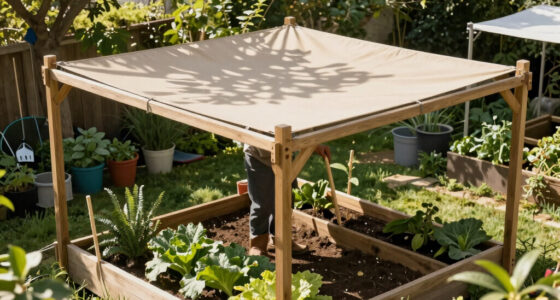
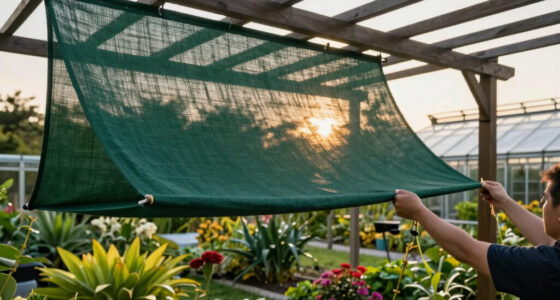
Remove shade cloth once daytime temperatures stay below 100°F consistently. Monitoring local weather and understanding your plants’ needs ensures a smooth fall transition and healthy growth.
Monitor your local weather for several days below 100°F before removing shade cloth.
Use real-time data from weather stations or forecasts to guide your timing.
Avoid removing shade too early — plants risk heat stress; too late — growth slows.
Adjust your removal strategy based on plant sensitivity and regional climate.
Gradually transition from shade to full sun to prevent shock and stress.
Why the 100-Degree Line Is Your Best Fall Indicator
When daytime temperatures drop below 100°F, it signals a significant shift in the heat stress your plants endure. This number isn’t just pulled from thin air — it’s rooted in plant physiology and real-world gardening experience. Gardener AZ emphasizes that staying below this threshold for several days in a row generally means your plants are ready to handle more sunlight and less shade.
Understanding why this threshold matters involves recognizing how heat impacts plant cells. Excessive heat can cause cellular damage, leading to leaf scorch, wilting, or even root stress. Conversely, cooler temperatures allow plants to recover from heat stress, resume normal growth, and adapt to increased sunlight. The 100°F line, therefore, acts as a practical cutoff point: it’s high enough to prevent premature exposure that could damage sensitive plants and low enough to signal a safer environment for growth. The tradeoff here is timing — removing shade too early might expose plants to lingering heat, risking damage, while waiting too long can delay growth and fruiting. This threshold helps strike a balance by aligning your shade removal with the plant’s physiological readiness, ensuring optimal fall development.
Popular right now

Ninja CREAMi Scoop & Swirl 13-in-1 Ice Cream and Soft Serve Maker (NC701)

KitchenAid 5.5-Qt Bowl-Lift Stand Mixer, Porcelain White (KSM55SXXX)

Breville Bambino Espresso Machine, Brushed Stainless Steel
As an affiliate, we earn on qualifying purchases.
How to Track Local Weather and Know Exactly When to Remove Shade Cloth
Monitoring local weather is key. Use a reliable weather app, local forecast, or a personal weather station. Log daily high temperatures and look for a pattern — ideally, several days below 100°F. Gardener AZ recommends paying close attention to the overnight lows too; if nights stay cool and don’t rise above 70°F, plants recover faster.
Understanding the implications of these temperature patterns is crucial. Consistent lows below 100°F mean your plants are less likely to experience heat stress overnight, which is vital because nighttime temperatures influence plant recovery and resilience. If it remains above 100°F during the day or if nights stay warm, plants may still be under stress, and premature removal could cause damage. Conversely, if you see several days of sustained lows below 100°F, it indicates a shift in the environment that favors increased sunlight exposure. The key is not just the temperature, but the duration — multiple days of stable, cooler conditions suggest your plants are physiologically ready for less shade. Regularly checking and interpreting these data points helps you avoid the pitfalls of premature removal, which could lead to heat stress, or unnecessary shading, which delays growth. The tradeoff is timing: acting too early risks damaging your plants, while waiting too long can slow your garden’s progression into fall productivity.
What Happens If You Take Shade Cloth Down Too Early or Too Late?
Removing shade cloth too soon can expose plants to lingering heat waves, which often occur during transitional seasons. For instance, a vegetable garden in late September might still experience daytime highs of 102°F, risking leaf scorch, dehydration, and overall stress. This can stunt growth, delay flowering, or reduce yields. On the other hand, leaving shade cloth on past the ideal point—once temperatures are reliably below 100°F—can unnecessarily block sunlight, which is essential for photosynthesis, fruit ripening, and overall plant vigor in fall. This delay can slow growth, delay harvests, or even cause plants to become overly leggy and weak due to insufficient light. The core implication here is that timing is everything: removing shade too early exposes plants to stress and potential damage, while removing it too late hampers their development. The tradeoff involves balancing protection with proper sunlight exposure — understanding that once the thermometer remains below 100°F for several days, the risk of heat damage diminishes, and plants benefit from increased sunlight. This balance ensures your garden transitions smoothly from shaded protection to full sun, optimizing growth and yield potential.