TL;DR
Aluminet generally runs cooler over vegetables because its reflective surface bounces heat away, reducing ambient temperatures by up to 10°F. Black shade cloth blocks light and absorbs heat, offering moderate cooling but less effective in heat rejection. Choose based on climate, crop needs, and budget for optimal results.
Aluminet’s reflective coating can reduce under-shade temperatures by up to 10°F more than black shade cloth, especially in desert climates.
Black shade cloth blocks sunlight and absorbs heat, providing moderate cooling but less heat rejection than Aluminet.
In extreme heat, investing in Aluminet may boost crop health and yield, offsetting its higher cost over time.
Durability matters—Aluminet typically lasts 8-10 years, making it a cost-effective long-term choice.
Match your shade cloth to your crop’s sun sensitivity, climate, and budget for best results.
What Makes Aluminet So Good at Cooling? Expect a Clear Answer
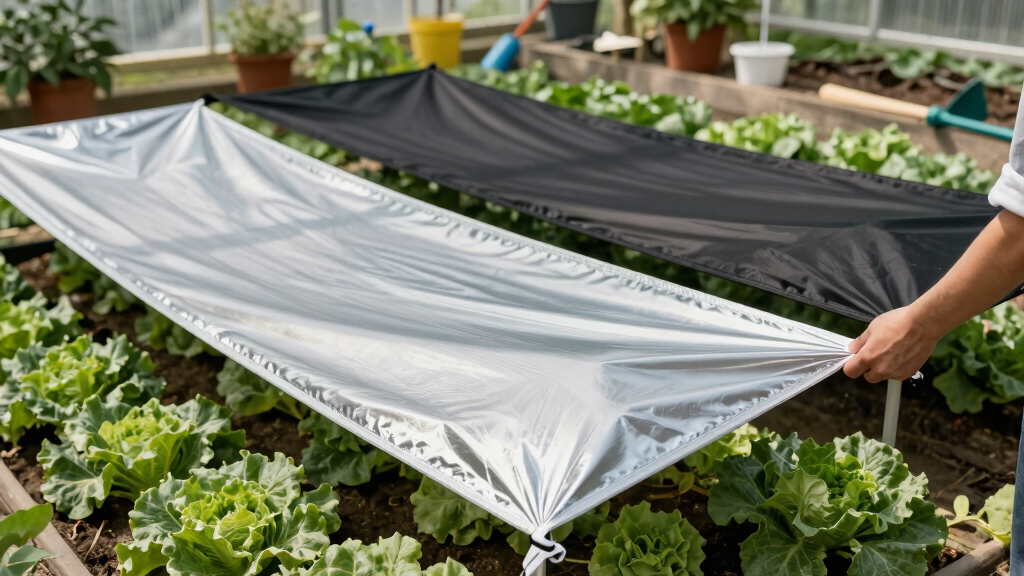
Aluminet’s secret is its shiny, reflective surface. It bounces sunlight and heat away, creating a cooler microclimate underneath. On a typical 100°F day, Aluminet can drop temperatures by up to 10°F, according to Gardener AZ. That’s like giving your plants a mini air-conditioner.
Imagine a hot summer in Arizona. Your tomato plants under Aluminet stay noticeably cooler, with less leaf scorch and more vigorous growth. The reflective surface doesn’t just reduce heat; it diffuses sunlight evenly. That means no harsh sun spots or burned edges—just healthy, lush vegetables.
But why does this matter? Because plants are sensitive to temperature fluctuations. Excess heat can cause stress, reduce photosynthesis efficiency, and lead to poor yields. By reflecting heat, Aluminet helps maintain optimal growing conditions, which can translate into healthier plants and higher productivity. The tradeoff is that reflective surfaces might sometimes reduce the amount of direct sunlight, which some crops need for specific growth stages. Therefore, understanding your specific crop’s light requirements is essential when choosing this shade type.
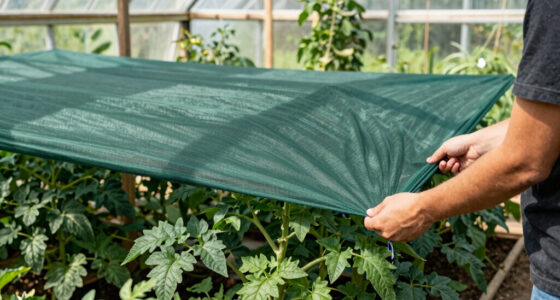
Aluminet shade cloth for vegetables
As an affiliate, we earn on qualifying purchases.
As an affiliate, we earn on qualifying purchases.
How Does Black Shade Cloth Keep Things Cooler? The Basics
Black shade cloth reduces heat primarily by blocking sunlight. It absorbs some of the sun’s rays, preventing a portion from reaching your plants. Typically, a 40% black shade cloth can cut sunlight transmission in half, lowering temperatures by 3-5°F.
Why is this significant? Because blocking sunlight not only prevents excessive heating but also reduces the risk of leaf scorch and dehydration. However, black fabric absorbs heat rather than reflects it, which means the material itself can become quite hot. This can sometimes create a paradox where the shaded area is cooler, but the shade cloth surface is hot to the touch, potentially impacting nearby surfaces or increasing heat load if not properly ventilated.
Furthermore, black shade cloth may slightly reduce photosynthesis due to decreased light, but this tradeoff can be beneficial if your goal is to prevent heat stress rather than maximize light exposure. The performance of black shade cloth depends on its percentage—more shading means more cooling but less light for your plants. The key tradeoff here is balancing adequate shade with sufficient light for healthy crop growth.
As an affiliate, we earn on qualifying purchases.
Compare Aluminet and Black Shade Cloth at a Glance
| Feature | Aluminet | Black Shade Cloth |
|---|---|---|
| Material | Knitted polyethylene with reflective aluminum coating | Woven/polyester, black color |
| Cooling Effect | Reduces ambient temperature by 5-10°F (3-6°C); reflects heat, optimizing microclimate | Reduces heat by 3-5°F (2-3°C); blocks sunlight, absorbs heat |
| Light Transmission | Diffuses light evenly, maintaining more natural light spectrum | Blocks 30-50% of sunlight, reducing overall light levels |
| Durability | Highly UV-resistant, lasts 8-10 years with proper care | UV-resistant, lasts 5-8 years; may fade or tear over time |
| Cost | Higher upfront cost; long-term savings through durability and performance | Lower initial cost; may require replacement sooner due to wear |
Understanding these differences helps growers evaluate the tradeoffs: Is the higher initial investment in Aluminet justified by its longer lifespan and superior cooling? Or does black shade cloth suffice for less demanding environments? The choice hinges on your specific climate, crop needs, and budget considerations.
As an affiliate, we earn on qualifying purchases.
Which Shade Works Better in Desert Summers? Real-Life Examples
In Arizona’s desert heat, growers report that Aluminet keeps their vegetable beds at least 8°F cooler than black shade cloth. This difference is not just a number—it directly impacts plant health. Cooler roots and leaves mean less stress, fewer diseases, and more vigorous growth. For example, one gardener noticed his peppers stayed vibrant and green under Aluminet, whereas those under black shade looked stressed and yellowed, indicating heat stress and dehydration.
Another case involves a California farmer who achieved a 15% increase in tomato yield using Aluminet compared to black shade cloth. The reflective fabric helped maintain a more stable root zone temperature and reduced water stress, which is crucial in hot, dry environments. These real-world examples highlight that in extreme heat, the reflective properties of Aluminet can translate into tangible benefits—better crop quality, higher yields, and more efficient water use. The tradeoff is that Aluminet’s higher cost can be offset by these gains, especially in commercial operations where every degree and percentage of yield matters.
UV blocking shade cloth for vegetables
As an affiliate, we earn on qualifying purchases.
As an affiliate, we earn on qualifying purchases.
How to Pick the Right Shade for Your Veggies: 3 Simple Steps
- Assess your climate—hot, dry, and sunny? Aluminet’s reflective surface will give the best cooling, especially in extreme heat where temperature moderation is critical for crop health.
- Consider your crop’s sun sensitivity—do they scorch easily? Crops like leafy greens and delicate herbs benefit from diffused or reflective shading to prevent sunburn and heat stress, while sun-loving plants may tolerate more direct light.
- Set your budget—Aluminet costs more upfront but offers longer durability and better heat rejection. Black shade cloth is more affordable initially but may require replacing sooner, potentially increasing long-term costs. Weigh these factors against your specific needs and the value of higher yields or healthier plants.
For example, if you’re growing peppers in a desert environment, investing in Aluminet can lead to healthier plants and higher yields, offsetting the initial expense through productivity gains. Conversely, for leafy greens in milder climates, black shade might be a cost-effective choice without sacrificing too much cooling.
The Latest Trends and How They Affect Your Choice
Recent innovations include hybrid fabrics that combine black and reflective surfaces, offering a balance of light reduction and heat reflection. These fabrics can be tailored to specific needs, providing customizable shading solutions. Automated shading systems, which adjust coverage based on real-time temperature and sunlight sensors, are also emerging. These systems optimize microclimates by providing shade only when necessary, reducing energy and material costs.
Understanding these trends is crucial because they open new possibilities for precision agriculture. For desert gardeners, such adaptive systems mean more consistent cooling, less manual intervention, and potentially better crop outcomes. The choice of fabric and technology can now be fine-tuned to match your specific environmental conditions, making shade cloth an even more powerful tool for maximizing productivity and sustainability.
Durability and Cost: What Will Last Longer and Save You Money?
Aluminet’s durable, UV-resistant coating means it can often last a decade or more if properly maintained. Its resistance to fading, tearing, and weathering ensures consistent performance over time, which can justify the higher initial investment. Black shade cloth, while cheaper initially, may degrade faster due to UV exposure, tearing, or fading, often needing replacement every 5-8 years. This cycle can increase long-term costs and effort.
Think of it like investing in quality gear: spending more upfront on Aluminet can pay off through fewer replacements and better crop protection. Moreover, its superior cooling can lead to higher yields, further offsetting the initial expense. When considering long-term savings, durability becomes a significant factor—especially in harsh, sunny environments where equipment failure can severely impact your crop health and profitability.
Key Takeaways for Your Garden’s Comfort and Success
- Aluminet’s reflective surface makes it the best choice for cooling in desert or extremely hot climates, as it actively deflects heat and maintains a more stable microclimate.
- Black shade cloth works well for light reduction and is a more budget-friendly option, but it absorbs heat and offers less effective cooling in extreme conditions.
- Understanding your crop’s sun sensitivity and heat tolerance helps determine the ideal shade—some vegetables benefit from diffuse reflection, while others need more direct protection.
- Durability and lifespan can significantly influence your overall costs—Aluminet’s longer lifespan in harsh environments can make it a smarter investment over time.
- Emerging technologies such as adaptive shading systems are shaping future options, but for now, matching your shade type to your climate and crop needs remains essential for success.