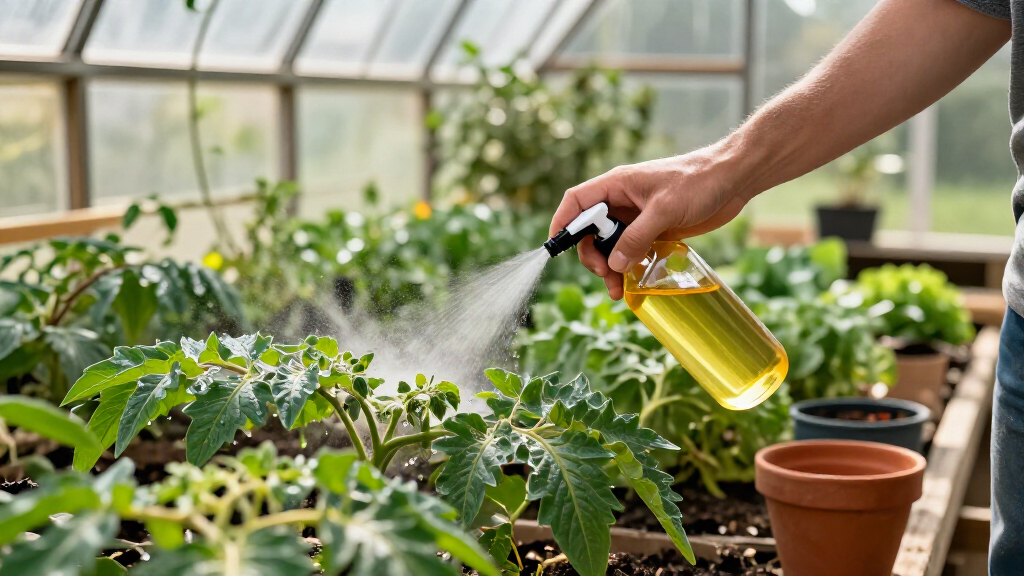
The best organic aphid control products match the treatment to the plant, infestation, and amount of coverage needed. My best overall pick is Safer Brand Insect Killing Soap Concentrate, a practical choice for gardeners who want to mix treatment as needed; Monterey Horticultural Oil stands out for larger gardens, while ready-to-use soaps make spot treatment simpler. The main tradeoffs are convenience versus coverage, concentrate value versus mixing effort, and broad use claims versus a focused aphid treatment. No spray is a set-and-forget fix: coverage, repeat applications, and plant-label directions matter. Read on for the full comparison and help matching each option to your garden.

Get garden gear delivered free with Prime
- Fast, free delivery on millions of items
- Prime Video, Amazon Music and more included
- Member-only deals all year
Complete the kit


Key Takeaways
Concentrates suit repeat treatment: Safer Brand Insect Killing Soap and Monterey Horticultural Oil offer more flexibility for gardeners treating multiple plants, but require dilution and careful measuring.
Ready-to-use bottles favor quick spot control: The Bonide and Garden Safe soap sprays avoid mixing, though their smaller per-bottle coverage can be less convenient for broad garden use.
Neem and soap are different approaches: The lineup includes several neem sprays and several insecticidal soaps, so buyers should choose based on label directions, plant compatibility, and how they plan to apply treatment.
Multi-purpose formulas trade focus for versatility: ARBER, GrowSafe, and EPM combine insect control with other plant-care claims; that breadth may suit mixed needs, but it does not remove the need to verify aphid coverage on the label.
There is no single best format for every garden: Indoor plant owners may favor a manageable ready-to-use bottle, while gardeners treating many plants may prefer a concentrate or larger-volume oil product.
| BioAdvanced Organics Neem Oil Spray, Ready-to-Use, 24 fl oz |  | Best Ready-to-Use Neem Pick | Brand: BioAdvanced | Volume: 24 fl oz | Form: Ready-to-use oil spray | VIEW LATEST PRICE | See Our Full Breakdown |
| ARBER Organic Insecticide Spray for Indoor and Outdoor Plants, 16 oz |  | Best for Indoor and Outdoor Flexibility | Volume: 16 oz | Form: Liquid concentrate | Use: Indoor and outdoor plants | VIEW LATEST PRICE | See Our Full Breakdown |
| Organic Insecticide for Roses and Flowers, 16 oz Ready-to-Spray |  | Best for Large Ornamental Beds | Volume: 16 oz | Application: Ready-to-spray; attaches to a standard garden hose | Coverage: Up to 2,500 sq ft | VIEW LATEST PRICE | See Our Full Breakdown |
| EcoVenger Garden Insect Control Spray, 16 oz |  | Best for Small Indoor and Outdoor Collections | Volume: 16 oz | Use: Indoor and outdoor plants | Active ingredients: Citronella oil, geraniol, cedarwood oil | VIEW LATEST PRICE | See Our Full Breakdown |
| AgroMagen GrowSafe Bio-Pesticide, Natural Miticide, Fungicide and Insecticide, 33.8 fl oz |  | Best Bulk Concentrate for Multi-Problem Gardens | Brand: AgroMagen | Volume: 33.8 fl oz | Product type: Miticide, fungicide, and insecticide | VIEW LATEST PRICE | See Our Full Breakdown |
| Safer Brand Insect Killing Soap Concentrate, 16 oz |  | Best Concentrate for Broad Garden Use | Brand: Safer Brand | Concentrate size: 16 fl oz | Coverage: Makes up to 6 gallons | VIEW LATEST PRICE | See Our Full Breakdown |
| Monterey Horticultural Oil, 1 Gallon, with Measuring Spoon |  | Best for Dormant-Season and Large-Scale Treatment | Volume: 1 gallon | Included accessory: Measuring spoon | Application: Mix with water; apply with a pump-up or trigger sprayer | VIEW LATEST PRICE | See Our Full Breakdown |
| Natria Neem Oil Spray for Gardening, 24 oz | 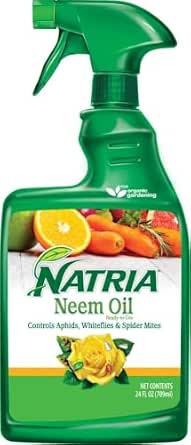 | Best Ready-to-Use Neem for Indoor and Outdoor Plants | Brand: Natria | Volume: 24 fluid ounces | Item weight: 1.5 pounds | VIEW LATEST PRICE | See Our Full Breakdown |
| Garden Safe Insecticidal Soap Insect Killer Spray, 32 oz |  | Best for Beginners and Direct Aphid Treatment | Brand: Garden Safe | Volume: 32 fluid ounces | Form: Ready-to-use spray | VIEW LATEST PRICE | See Our Full Breakdown |
| Bonide Captain Jack’s Neem Oil Ready-to-Use Spray, 32 oz |  | Best Multi-Action Neem Spray | Brand: Bonide | Volume: 32 fluid ounces | Weight: 2.3 pounds | VIEW LATEST PRICE | See Our Full Breakdown |
| Summit Year-Round Spray Oil Concentrate for Garden Insects, 32 oz |  | Best Multi-Purpose Oil Concentrate | Brand: Summit | Product type: Year-round spray oil concentrate | Volume: 32 oz | VIEW LATEST PRICE | See Our Full Breakdown |
| Bonide Captain Jack’s Insecticidal Super Soap Ready-to-Use Spray, 32 oz | 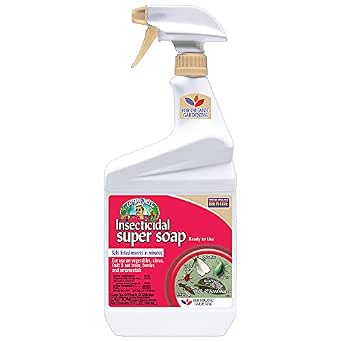 | Best Broad-Spectrum Ready-to-Use Pick | Brand: Bonide | Volume: 32 fluid ounces | Form: Ready-to-use spray | VIEW LATEST PRICE | See Our Full Breakdown |
| EPM Protection Plus Plant Insecticide, Fungicide, and Miticide Concentrate, 8 oz |  | Best for Flexible Indoor and Outdoor Application | Brand: Environmental Plant Management | Model: PRP008-C-E | Form: Liquid concentrate | VIEW LATEST PRICE | See Our Full Breakdown |
| Bonide Insecticidal Soap Ready-to-Use Spray, 32 oz |  | Best Simple Soap Spray for Mixed Plantings | Brand: Bonide | Volume: 32 fluid ounces | Form: Ready-to-use spray | VIEW LATEST PRICE | See Our Full Breakdown |
| Smart Grower Neem Oil and Peppermint Plant Wash Spray, 16 oz |  | Best for Leaf Cleaning and Shine | Brand: Smart Grower | Volume: 16 fluid ounces | Form: Liquid | VIEW LATEST PRICE | See Our Full Breakdown |
| organic aphid control product | Volume | Brand | Form |
|---|---|---|---|
| BioAdvanced Organics Neem Oil | 24 fl oz | BioAdvanced | Ready-to-use oil spray |
| ARBER Organic Insecticide Spra | 16 oz | — | Liquid concentrate |
| Organic Insecticide for Roses | 16 oz | — | — |
| EcoVenger Garden Insect Contro | 16 oz | — | — |
| AgroMagen GrowSafe Bio-Pestici | 33.8 fl oz | AgroMagen | Water-mixable oil blend |
| Safer Brand Insect Killing Soa | — | Safer Brand | — |
| Monterey Horticultural Oil | 1 gallon | — | — |
| Natria Neem Oil Spray for Gard | 24 fluid ounces | Natria | Ready-to-use spray |
| Garden Safe Insecticidal Soap | 32 fluid ounces | Garden Safe | Ready-to-use spray |
| Bonide Captain Jack’s Neem Oil | 32 fluid ounces | Bonide | Ready-to-use liquid trigger spray |
| Summit Year-Round Spray Oil Co | 32 oz | Summit | — |
| Bonide Captain Jack’s Insectic | 32 fluid ounces | Bonide | Ready-to-use spray |
| EPM Protection Plus Plant Inse | — | Environmental Plant Management | Liquid concentrate |
| Bonide Insecticidal Soap Ready | 32 fluid ounces | Bonide | Ready-to-use spray |
| Smart Grower Neem Oil and Pepp | 16 fluid ounces | Smart Grower | Liquid |
More Details on Our Top Picks
BioAdvanced Organics Neem Oil Spray, Ready-to-Use, 24 fl oz
Ready-to-use convenience is the main reason I rank this neem spray ahead of concentrates: there is no mixing step before treating aphids or other listed pests. Its 0.9% clarified hydrophobic extract of neem oil is paired with insecticide, miticide, and fungicide uses, giving gardeners one bottle for several listed garden problems. The label covers plants ranging from roses and houseplants to fruits and vegetables, and permits use up to harvest day.
Compared with ARBER Organic Insecticide Spray, this is simpler to apply but offers less flexibility in adjusting a diluted mixture. The tradeoff is the smaller 24 fl oz supply and repeat applications every 7–14 days for fungal disease control. I would also keep expectations tied to pests and diseases listed on the label rather than treating it as a universal garden spray.
Pros:- Ready-to-use trigger spray avoids mixing and measuring
- Combines listed insect, mite, and fungal disease uses
- Labeled for ornamental plants and a range of edible crops
- Can be used up to the day of harvest as directed
Cons:- The 24 fl oz bottle may be limiting for extensive plantings
- Fungal disease control calls for repeat applications every 7–14 days
- Use is limited to pests and diseases listed on the label
Best for: Gardeners who want a ready-to-spray neem option for listed pests across ornamental and edible plants, without measuring concentrate.
Not ideal for: People treating a large garden who want a bulk concentrate, or gardeners who need an aphid product with a clearly stated dilution rate for custom mixing.
- Brand:BioAdvanced
- Volume:24 fl oz
- Form:Ready-to-use oil spray
- Active ingredient:Clarified hydrophobic extract of neem oil, 0.9%
- Other ingredients:99.1%
- Target species:Spider mites and other listed insects and mites
- Plant uses:Roses, flowers, houseplants, ornamental trees and shrubs, fruits, nuts, and vegetables
- Fungal disease application schedule:Every 7–14 days
- Organic gardening:OMRI specification met
Our verdict“I recommend this to gardeners who value simple neem application across edible and ornamental plants more than concentrate flexibility or bulk volume.”
ARBER Organic Insecticide Spray for Indoor and Outdoor Plants, 16 oz
Indoor-and-outdoor versatility gives ARBER a distinct place in this lineup: its contact spray is described for aphids, fungus gnats, whiteflies, mealybugs, and spider mites, with use on both foliage and soil. The low-odor, dye-free concentrate suits gardeners who would rather mix a batch than keep several separate ready-to-use sprays for houseplants and garden beds. The description also allows use in edible gardens when directed.
Compared with BioAdvanced Organics Neem Oil Spray, ARBER requires more preparation but lets the gardener adjust dilution for different plants and pest levels. That flexibility is harder to act on here because the supplied product information gives no specific dilution ratio. I would choose it for a varied collection only if the label provides clear mixing directions; anyone wanting immediate application may prefer BioAdvanced’s ready-to-use format.
Pros:- Addresses aphids and several other common plant pests
- Suitable for indoor and outdoor plants
- Can be applied to both foliage and soil
- Low-odor and dye-free formula
Cons:- Requires dilution with water before application
- Product information does not specify dilution ratios
- Concentrate preparation adds a step compared with BioAdvanced’s ready-to-use spray
Best for: Houseplant owners who also treat outdoor beds and want one concentrate described for a broad range of common pests.
Not ideal for: New gardeners who need exact, readily available mixing instructions or anyone who wants a spray that can be used straight from the bottle.
- Volume:16 oz
- Form:Liquid concentrate
- Use:Indoor and outdoor plants
- Application:Dilute with water and spray leaves and soil
- Pests addressed:Fungus gnats, aphids, whiteflies, mealybugs, spider mites, foliage-feeding beetles, and fruit flies
- Formula features:Low-odor and dye-free
- Edible garden use:Suitable when used as directed
Our verdict“I’d pick ARBER for mixed indoor and outdoor collections if the label supplies usable dilution directions, but not for a no-prep aphid treatment.”
Organic Insecticide for Roses and Flowers, 16 oz Ready-to-Spray
For broad ornamental coverage, this hose-end option is the lineup’s clear specialist: the ready-to-spray attachment avoids measuring, while one bottle is listed to treat up to 2,500 sq ft. Its stated control range includes more than 30 pests, including aphids, thrips, mealybugs, spider mites, and Japanese beetles. The plant list centers on roses and flowering landscapes but also includes edible landscapes and container gardens.
Compared with EcoVenger Garden Insect Control Spray, this is better suited to covering a larger area quickly; EcoVenger is a more flexible choice for indoor plants and small spot treatments. The tradeoff is a hose-dependent application and a maintenance schedule: during peak pressure, reapply every 14 days, and heavy storms may call for another treatment. I would not choose it for a few houseplants or delicate spot work.
Pros:- Hose-end format avoids manual mixing and measuring
- Listed coverage reaches up to 2,500 sq ft
- Targets more than 30 pests, including aphids
- Suitable for several ornamental plant types and edible landscapes
Cons:- Reapplication is advised every 14 days during peak pest pressure
- Heavy storms may require an additional application
- Hose-end delivery is less suited to small indoor or spot treatments
Best for: Gardeners treating expansive rose beds, flowering shrubs, or mixed ornamental landscapes who want hose-end application without mixing.
Not ideal for: Houseplant owners, gardeners without hose access, or anyone who mainly needs a small, precise treatment for a few aphid-infested leaves.
- Volume:16 oz
- Application:Ready-to-spray; attaches to a standard garden hose
- Coverage:Up to 2,500 sq ft
- Pest control:Controls 30+ pests
- Reapplication:Every 14 days during peak pressure or after heavy storms
- Suitable plants:Roses, annuals, perennials, flowering shrubs, edible landscapes, and container gardens
- EPA registration number:84059-14-97021
Our verdict“I’d choose this for large flowering landscapes where hose-end coverage matters more than indoor versatility or spot-treatment control.”
EcoVenger Garden Insect Control Spray, 16 oz
Foliage-and-soil application makes EcoVenger a practical fit for gardeners treating aphids on leaves as well as pests associated with potting soil. Its ready-to-use botanical spray lists aphids, spider mites, whiteflies, and fungus gnats, and works indoors or outdoors. The plant-based formula contains citronella oil, geraniol, and cedarwood oil; unlike ARBER, it does not require routine dilution for standard use.
Compared with the hose-end Organic Insecticide for Roses and Flowers, EcoVenger is easier to direct at a few houseplants or garden spots, but its 16 oz bottle is a poor match for covering a broad landscape. Delicate plants may need a five-times dilution and a small-area test first, adding caution where the hose-end product emphasizes scale. The product information also flags possible nozzle damage during transit or improper use.
Pros:- Ready-to-use format for routine applications
- Targets aphids and several other common garden and houseplant pests
- Can be applied to foliage and soil
- Suitable for indoor and outdoor plants
Cons:- Delicate plants may need five-times dilution and a small-area test
- A 16 oz bottle is less suited to large-scale treatment
- The nozzle may be damaged during transit or improper use
Best for: Houseplant owners and gardeners with small mixed collections who want a ready-to-use botanical spray for leaves and soil.
Not ideal for: People treating large beds or delicate plants who cannot test a small area and follow the dilution guidance before wider use.
- Volume:16 oz
- Use:Indoor and outdoor plants
- Active ingredients:Citronella oil, geraniol, cedarwood oil
- Application:Spray foliage and soil
- Delicate plant guidance:Dilute five times and test a small area
- Formula:Plant-based; non-staining
- Listed pests:Aphids, spider mites, whiteflies, and fungus gnats
Our verdict“I’d choose EcoVenger for targeted treatment of a small indoor-and-outdoor collection, not for broad coverage or carefree use on delicate foliage.”
AgroMagen GrowSafe Bio-Pesticide, Natural Miticide, Fungicide and Insecticide, 33.8 fl oz
Largest stated volume in this batch gives GrowSafe an advantage for gardeners managing many plants, while its described uses span aphids, whiteflies, spider mites, powdery mildew, and downy mildew. The water-mixable plant-based oil blend is intended for edible crops, houseplants, flowers, and greenhouse plants, including use through harvest when directed. That mix of insect, mite, and fungal disease targets makes it broader in scope than EcoVenger’s listed insect pests.
The tradeoff is preparation and missing application detail: the product data does not provide dilution or spray instructions, so I would check the label before buying it for immediate aphid treatment. Compared with BioAdvanced Organics Neem Oil Spray, GrowSafe offers more volume but lacks BioAdvanced’s ready-to-use convenience and stated fungal application schedule. Its multi-purpose claims are appealing, but careful label-led use matters.
Pros:- Targets aphids, whiteflies, spider mites, and listed mildews
- Described for edible crops, houseplants, flowers, and greenhouse plants
- 33.8 fl oz volume suits larger collections better than 16 oz options
- Water-mixable oil blend is designed to resist separation
Cons:- Must be mixed with water before use
- Product information does not provide application or dilution instructions
- Less convenient for immediate treatment than BioAdvanced’s ready-to-use spray
Best for: Growers with multiple edible crops, greenhouse plants, or mixed ornamental collections who want a larger water-mixable product for listed insect, mite, and mildew problems.
Not ideal for: Gardeners who need clear dilution directions before purchase or want a ready-to-spray product for quick aphid treatment.
- Brand:AgroMagen
- Volume:33.8 fl oz
- Product type:Miticide, fungicide, and insecticide
- Ingredients:Food-grade, plant-based ingredients
- Form:Water-mixable oil blend
- Listed pests:Spider mites, whiteflies, and aphids
- Listed diseases:Powdery mildew and downy mildew
- Plant uses:Edible crops, houseplants, flowers, and greenhouse plants
- Harvest use:Described for use through harvest when used as directed
Our verdict“I’d consider GrowSafe for larger, varied gardens with several listed pest and mildew concerns, provided its label gives the mixing directions you need.”
Safer Brand Insect Killing Soap Concentrate, 16 oz
For gardeners who want one soap concentrate for several kinds of plants and pests, this OMRI Listed formula covers aphids along with mealybugs, whiteflies, and spider mites. Its 16-fluid-ounce bottle makes up to six gallons, so it suits repeated treatment across a larger planting better than a ready-to-use option such as Garden Safe Insecticidal Soap Spray. Potassium salts of fatty acids act on contact, so the spray must reach the pests rather than merely coat nearby foliage. That direct-contact approach keeps the ingredient strategy straightforward, but it also means missed insects can survive and repeat applications may be needed. I’d choose it for mixed beds or a collection of houseplants, provided I’m willing to measure, mix, and avoid hot, sunny application conditions that can damage leaves.
Pros:- Makes up to six gallons, suiting treatment across a larger garden.
- Targets aphids and several other soft-bodied pests.
- Suitable for many flowers, vegetables, herbs, and houseplants.
- OMRI Listed and usable up to the day of harvest.
Cons:- Requires mixing and direct, thorough coverage of pests.
- Repeat applications may be needed, and peak heat can increase leaf-damage risk.
Best for: Organic gardeners treating multiple beds, herbs, vegetables, and houseplants who prefer mixing a concentrate to buying several ready-to-use bottles.
Not ideal for: People seeking a no-mix spray or gardeners unable to apply carefully in cooler conditions; the concentrate requires measuring, and hot, sunny use risks leaf damage.
- Brand:Safer Brand
- Concentrate size:16 fl oz
- Coverage:Makes up to 6 gallons
- Active ingredient:Potassium salts of fatty acids
- Plant use:Houseplants, flowers, herbs, vegetables, and other plants
- Organic listing:OMRI Listed
- Target pests:Aphids, mealybugs, whiteflies, and spider mites
- Harvest timing:Can be used up until the day of harvest
Our verdict“Choose this concentrate for broad organic garden coverage if you’re comfortable mixing and applying soap carefully.”
Monterey Horticultural Oil, 1 Gallon, with Measuring Spoon
Monterey’s one-gallon horticultural oil is the lineup’s bulk-treatment choice, especially for gardeners who want to address aphids alongside mites, scales, whiteflies, and insect eggs on trees and other plants. Its use during both dormant and growing seasons gives it a broader seasonal role than Natria Neem Oil Spray, which is supplied ready to use for indoor and outdoor plants. The included measuring spoon helps portion the concentrate, but you still need to mix it with water and apply it with a pump-up or trigger sprayer. Oil treatment depends on thorough coverage, including the undersides of leaves, so it is less convenient for quick spot spraying. It also provides poor control for caterpillars and worms; I’d pick it for broad insect coverage, not as an all-pest garden solution.
Pros:- Targets a broad range of listed pests, including insect eggs.
- Can be used during dormant and growing seasons.
- OMRI Listed for organic gardening.
- Includes a measuring spoon and mixes with water.
Cons:- Requires mixing and a pump-up or trigger sprayer.
- Thorough coverage on both sides of leaves takes time.
- Provides poor control for caterpillars and worms.
Best for: Gardeners with trees or larger plantings who want a mixable oil for aphids, insect eggs, and other listed pests across dormant and growing seasons.
Not ideal for: People who need a quick, ready-to-use spot treatment or primarily need control of caterpillars and worms.
- Volume:1 gallon
- Included accessory:Measuring spoon
- Application:Mix with water; apply with a pump-up or trigger sprayer
- Use seasons:Dormant and growing seasons
- Organic status:OMRI Listed for organic gardening
- Target pests:Aphids, leaf miners, thrips, mites, scales, whiteflies, mealybugs, and insect eggs
- Poor-control pests:Caterpillars and worms
Our verdict“Pick Monterey for larger, season-spanning oil treatments when you can mix and thoroughly spray plants.”
Natria Neem Oil Spray for Gardening, 24 oz
Natria makes neem treatment simple: the 24-ounce bottle is ready to spray, so there’s no concentrate to measure or dilute. It targets listed insects and mites, including aphids, whiteflies, and spider mites, and also covers listed diseases such as powdery mildew and black spot. That disease-control role distinguishes it from Garden Safe Insecticidal Soap, which is focused on insect pests. Natria is suited to indoor and outdoor plants and can be used through the growing season up to harvest day. The tradeoff is that a ready-to-use bottle offers less flexibility for treating a large garden than Safer Brand Insect Killing Soap Concentrate, which makes up to six gallons. Coverage still matters: foliage and affected areas need a thorough spray, so this is convenient for routine plant care, not a hands-off treatment.
Pros:- Ready-to-use formula requires no mixing.
- Targets listed aphids, whiteflies, spider mites, and other insects and mites.
- Also helps control listed diseases, including powdery mildew and black spot.
- Suitable for indoor and outdoor plants and use up to harvest day.
Cons:- The 24-ounce ready-to-use format is less suited to large-scale treatment than a concentrate.
- Thorough coverage is required for application.
Best for: Home gardeners who want a no-mix neem spray for a modest mix of indoor and outdoor plants, with listed insect and disease concerns.
Not ideal for: People treating a large garden who want a concentrate, or anyone unwilling to thoroughly coat affected plants.
- Brand:Natria
- Volume:24 fluid ounces
- Item weight:1.5 pounds
- Form:Ready-to-use spray
- Active ingredient:Clarified hydrophobic extract of neem oil, 0.9%
- Target pests:Listed insects and mites, including aphids, whiteflies, and spider mites
- Plant diseases:Listed diseases including powdery mildew and black spot
- Use:Indoor and outdoor plants; throughout the growing season up to the day of harvest
Our verdict“Choose Natria for convenient neem treatment on indoor and outdoor plants when a ready-to-use bottle fits your garden’s size.”
Garden Safe Insecticidal Soap Insect Killer Spray, 32 oz
For a straightforward contact treatment, this 32-ounce soap spray skips mixing and can be used indoors, outdoors, and in greenhouses. Its potassium salts of fatty acids target listed pests such as aphids, mites, and whiteflies, with use on edible plants through the day of harvest. Compared with Safer Brand Insect Killing Soap Concentrate, Garden Safe is easier to start using but does not offer concentrate-level flexibility for treating a larger area. Its main limitation is how contact sprays work: pests must be hit directly, so hidden aphids or insects on leaf undersides can escape unless you inspect and spray carefully. I’d favor it for beginners managing a few plants or a greenhouse bench, rather than for someone seeking broad residual coverage or a bulk treatment format.
Pros:- Ready to use without measuring or mixing.
- Suitable for indoor, outdoor, and greenhouse use.
- Can be applied to edible plants through the day of harvest.
- Targets listed pests including aphids, mites, and whiteflies.
Cons:- Pests must be sprayed directly for control.
- A 32-ounce spray bottle is less flexible for large-scale treatment than a concentrate.
Best for: New gardeners or greenhouse growers who want a ready-to-use soap spray for a small collection of edible and ornamental plants.
Not ideal for: Gardeners treating a large planting who prefer a concentrate, or anyone unable to inspect leaves and spray pests directly.
- Brand:Garden Safe
- Volume:32 fluid ounces
- Form:Ready-to-use spray
- Active ingredient:Potassium salts of fatty acids
- Target pests:Listed insects including aphids, mites, and whiteflies
- Use locations:Indoors, outdoors, and greenhouses
- Edible-plant timing:Can be applied through the day of harvest
- Model number:HG-93216
Our verdict“Choose Garden Safe for easy, direct soap treatment on a manageable number of plants, not for bulk garden coverage.”
Bonide Captain Jack’s Neem Oil Ready-to-Use Spray, 32 oz
Bonide’s 32-ounce neem spray pairs insect, mite, and fungal-disease uses in a ready-to-use trigger bottle. Its stated target spans insect life stages, including eggs, larvae, and adults, giving it a wider treatment brief than Garden Safe Insecticidal Soap Spray, which kills listed pests by direct contact. Bonide is suitable for a variety of plants, including vegetables and houseplants, and can be used up to harvest day. The convenience comes with a coverage chore: affected plants need a thorough application, and the product calls for reapplication every 7–14 days as needed. Compared with Natria Neem Oil Spray, this bottle holds more, making it a better fit for a broader set of plants, though neither format is as efficient for large-scale treatment as a concentrate. I’d choose Bonide when one ready-to-use product needs to serve several garden roles.
Pros:- Combines insecticide, miticide, and fungicide uses.
- Targets insects at egg, larval, and adult stages.
- Ready-to-use trigger spray requires no dilution.
- Suitable for varied plants and use up to harvest day.
Cons:- Requires thorough coverage of affected plants.
- May need reapplication every 7–14 days as needed.
- Ready-to-use packaging is less suited to large-scale treatment than a concentrate.
Best for: Gardeners who want one ready-to-use neem product for aphids and other insect stages, mites, and common fungal concerns across vegetables and houseplants.
Not ideal for: People treating extensive plantings who want a concentrate, or gardeners unable to maintain thorough coverage and repeat applications as needed.
- Brand:Bonide
- Volume:32 fluid ounces
- Weight:2.3 pounds
- Form:Ready-to-use liquid trigger spray
- Active ingredient:Clarified hydrophobic extract of neem oil
- Uses:Insecticide, miticide, and fungicide
- Target life stages:Insect eggs, larvae, and adults
- Reapplication interval:Every 7–14 days as needed
- Harvest timing:Can be used up to harvest day
Our verdict“Pick Bonide for a convenient multi-action neem spray across several plant types, provided repeat, thorough applications fit your routine.”
Summit Year-Round Spray Oil Concentrate for Garden Insects, 32 oz
Summit Year-Round Spray Oil Concentrate suits gardeners who want aphid control as part of a broader pest and mildew routine. Its 32-ounce concentrate is listed for aphids, spider mites, whiteflies, scale, and other common pests, and the product can also help prevent or treat powdery mildew. Compared with Bonide Insecticidal Soap, which is a ready-to-use contact spray, this oil requires preparation but covers several garden needs in one product. It can be used on garden plants, fruit trees, and ornamentals up to harvest day, adding flexibility for mixed plantings. The tradeoff is that the supplied details do not give a mixing ratio or application instructions, so buyers must rely on the label. It is a less convenient choice for someone seeking a grab-and-spray option.
Pros:- Targets aphids along with spider mites, whiteflies, scale, and other common pests
- Also helps prevent and treat powdery mildew
- Suitable for a wide variety of plants, including fruit trees and ornamentals
- May be used up to the day of harvest
Cons:- Concentrate requires preparation rather than immediate spraying
- The provided product details do not specify a dilution ratio
Best for: Gardeners with fruit trees, ornamentals, and edible plants who want one concentrate for aphids, other pests, and powdery mildew.
Not ideal for: People who want a ready-to-use spray or need a clearly stated mixing ratio before buying.
- Brand:Summit
- Product type:Year-round spray oil concentrate
- Volume:32 oz
- Listed pests:Aphids, spider mites, fungus gnats, scale, whiteflies, and other common plant pests
- Additional use:Helps prevent and cure powdery mildew
- Leaf benefit:Adds shine to leaves
- Use timing:May be used up to the day of harvest
Our verdict“Choose Summit if you want a versatile oil concentrate for mixed plantings and can follow its label for mixing and application.”
Bonide Captain Jack’s Insecticidal Super Soap Ready-to-Use Spray, 32 oz
Captain Jack’s Insecticidal Super Soap is a strong fit for outdoor gardeners who want a ready-to-use spray with a wider stated target range than a basic aphid treatment. It controls more than 30 types of insects and mites, and the product information also lists powdery mildew. Its spray nozzle avoids the measuring and dilution needed for concentrates such as Summit Year-Round Spray Oil. That convenience comes with a boundary: this product is specified for outdoor residential use, while EPM Protection Plus is listed for both indoor and outdoor plants and offers several application methods. The active ingredients include potassium salts of fatty acids and spinosad, so buyers should follow the product label rather than assume it works like soap alone. Its 32-ounce bottle is practical, but it is not the pick for indoor aphid problems.
Pros:- Ready-to-use spray nozzle eliminates mixing
- Controls more than 30 types of insects and mites
- Also targets powdery mildew
- Listed as suitable for organic gardening
Cons:- Designed for outdoor residential use, limiting its fit for houseplants
- Ready-to-use format offers less flexibility than a concentrate
Best for: Outdoor vegetable, herb, fruit, and ornamental gardeners who want a ready-to-spray product for multiple insects and mites.
Not ideal for: Indoor plant owners or gardeners seeking a concentrate they can mix for different application methods.
- Brand:Bonide
- Volume:32 fluid ounces
- Form:Ready-to-use spray
- Active ingredients:Potassium salts of fatty acids, spinosad
- Target range:More than 30 types of insects and mites
- Additional target:Powdery mildew
- Use:Outdoor residential use
- Organic gardening specification:USDA specification met
Our verdict“Pick Captain Jack’s Super Soap for convenient, broad outdoor coverage, but choose EPM Protection Plus for indoor use or multiple application methods.”
EPM Protection Plus Plant Insecticide, Fungicide, and Miticide Concentrate, 8 oz
EPM Protection Plus stands apart for its range of application methods: it can be used as a foliar spray, soil drench, or dip on indoor and outdoor plants. The concentrate targets aphids and other soft-bodied insects, mites, and some fungi, including powdery mildew. At the listed rate of four ounces per gallon, the eight-ounce bottle makes two gallons of prepared solution. That flexibility contrasts with Bonide Insecticidal Soap, which is simpler to use but comes ready to spray and is not described as a drench or dip. EPM’s tradeoff is hands-on preparation: it must be mixed and shaken regularly, and its contact action means it needs to reach pests or affected areas. It makes more sense for attentive plant caretakers than for anyone wanting a quick, uncomplicated spray.
Pros:- Can be applied as a foliar spray, soil drench, or dip
- Suitable for indoor and outdoor plants
- Targets aphids, whiteflies, thrips, mites, and some fungi
- Eight-ounce concentrate yields two gallons of prepared solution at the stated rate
Cons:- Requires measuring, mixing, and regular shaking
- Contact action requires coverage of pests or affected areas
Best for: Indoor and outdoor plant caretakers who want one concentrate for foliar spraying, soil drenches, or dips and can mix it carefully.
Not ideal for: Gardeners who need a ready-to-use bottle or cannot apply a contact product directly to pests and affected plant areas.
- Brand:Environmental Plant Management
- Model:PRP008-C-E
- Form:Liquid concentrate
- Concentrate volume:8 fl oz
- Mixing ratio:4 oz concentrate per gallon of water
- Prepared solution yield:2 gallons
- Active ingredient:Citric acid
- Application methods:Foliar spray, soil drench, or dip
- Listed targets:Insects, spider mites, aphids, whiteflies, powdery mildew, and fungus
Our verdict“Choose EPM Protection Plus for application flexibility across indoor and outdoor plants, provided you are comfortable mixing and applying it carefully.”
Bonide Insecticidal Soap Ready-to-Use Spray, 32 oz
Bonide Insecticidal Soap is the straightforward choice for gardeners who want a familiar ready-to-use format across houseplants and outdoor edible or ornamental plants. Its active ingredient is potassium salts of fatty acids, and the product kills insects through contact or ingestion; that means good coverage matters, especially when aphids are tucked along stems or leaf undersides. Unlike Captain Jack’s Insecticidal Super Soap, which lists more than 30 insect and mite targets plus powdery mildew, this product’s supplied details describe a simpler insecticidal-soap use rather than that broader target range. Its advantage is flexibility across houseplants, vegetables, flowers, and fruit, with use allowed up to harvest day. The limitation is shared by contact sprays: missed insects may remain untreated, so this is less suited to gardeners who cannot inspect and cover affected plants closely.
Pros:- Ready-to-use spray nozzle avoids mixing
- Suitable for houseplants, vegetables, flowers, and fruit
- Made with potassium salts of fatty acids
- May be used up to the day of harvest
Cons:- Contact or ingestion action depends on pests being exposed to treated areas
- The supplied description does not list specific insect targets beyond insects generally
Best for: Home gardeners who want a ready-to-use soap spray for aphids on houseplants, vegetables, flowers, and fruit.
Not ideal for: People seeking a product with a stated broad pest list or who cannot reach and coat aphids on plant surfaces.
- Brand:Bonide
- Volume:32 fluid ounces
- Form:Ready-to-use spray
- Active ingredient:Potassium salts of fatty acids
- Target species:Insects
- Use:Indoor and outdoor gardening
- Listed plant types:Houseplants, vegetables, flowers, and fruit
- Use timing:May be used up to the day of harvest
Our verdict“Choose Bonide Insecticidal Soap for a simple, ready-to-use option across indoor and edible plantings when you can apply it directly to aphids.”
Smart Grower Neem Oil and Peppermint Plant Wash Spray, 16 oz
Smart Grower Neem Oil and Peppermint Plant Wash Spray is the most distinct fit here: it is described as a leaf wash and shine spray, not as a dedicated aphid-control treatment. The ready-to-use bottle and indoor-outdoor suitability make it convenient for routine plant care, while neem and peppermint oils provide its stated ingredients. Compared with Bonide Insecticidal Soap, which explicitly kills insects on contact or through ingestion, Smart Grower’s supplied product details do not state that it controls aphids. Buyers should not choose it as their primary response to an active infestation without checking the label. Its smaller 16-ounce format may suit occasional leaf cleaning, but the label’s direction to test a small amount first adds a step, and pet safety depends on following label directions.
Pros:- Ready-to-use spray requires no dilution
- Suitable for indoor and outdoor plants
- Made with neem oil and peppermint oil
- Designed to clean leaves and add shine
Cons:- Supplied product details do not state that it controls aphids
- Label advises testing a small amount before use
- Pet safety depends on following label directions
Best for: Houseplant owners and gardeners seeking a ready-to-use neem-and-peppermint leaf wash for cleaning and shine, rather than a primary aphid treatment.
Not ideal for: Anyone dealing with an active aphid infestation who needs a product with clearly stated insect-control claims.
- Brand:Smart Grower
- Volume:16 fluid ounces
- Form:Liquid
- Application method:Spray
- Listed ingredients:Neem oil and peppermint oil
- Intended use:Plant wash and leaf shine
- Plant suitability:Indoor and outdoor plants
- Coverage:Full
Our verdict“Choose Smart Grower for leaf washing and shine, but select Bonide Insecticidal Soap or another explicitly listed insect-control product for aphids.”
How We Picked
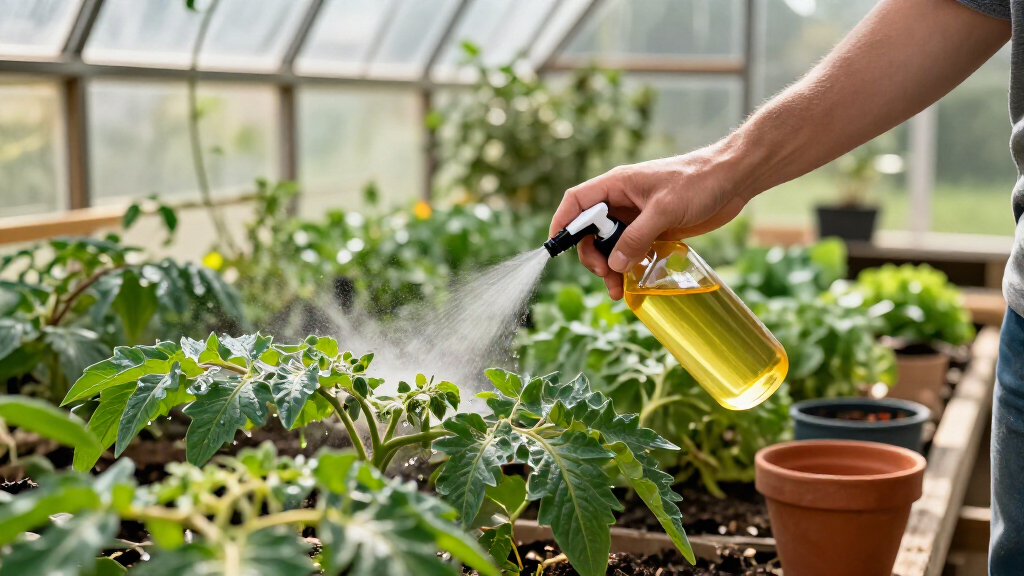
I compared the 15 products by how well their format and stated purpose fit common aphid-control jobs: treating a few indoor plants, spot-spraying flowers, or covering a larger garden. I gave weight to application convenience, treatment flexibility, package size, and the work required to prepare and reapply. Products with ready-to-use spray bottles are easier to start with; concentrates can make more sense for recurring or broad coverage, provided the buyer is comfortable following dilution directions.
The ranking reflects those tradeoffs rather than treating every organic-labeled product as interchangeable. I placed Safer Brand Insect Killing Soap Concentrate first for its balance of flexible use and practical format, with larger-volume oil and ready-to-use options serving different needs below it. I also considered whether a product is positioned as a focused soap or oil treatment, or as a multi-purpose formula. Labels, permitted plants, application timing, and aphid directions remain the deciding authority; I did not assume that a broader claim means better aphid control.
| organic aphid control product | Form |
|---|---|
| BioAdvanced Organics Neem Oil | Ready-to-use oil spray |
| ARBER Organic Insecticide Spra | Liquid concentrate |
| Organic Insecticide for Roses | — |
| EcoVenger Garden Insect Contro | — |
| AgroMagen GrowSafe Bio-Pestici | Water-mixable oil blend |
| Safer Brand Insect Killing Soa | — |
| Monterey Horticultural Oil | — |
| Natria Neem Oil Spray for Gard | Ready-to-use spray |
| Garden Safe Insecticidal Soap | Ready-to-use spray |
| Bonide Captain Jack’s Neem Oil | Ready-to-use liquid trigger spray |
| Summit Year-Round Spray Oil Co | — |
| Bonide Captain Jack’s Insectic | Ready-to-use spray |
| EPM Protection Plus Plant Inse | Liquid concentrate |
| Bonide Insecticidal Soap Ready | Ready-to-use spray |
| Smart Grower Neem Oil and Pepp | Liquid |
Factors to Consider When Choosing Best Organic Aphid Control Products
Choosing an aphid treatment is less about finding the strongest-sounding label and more about matching the product to the job. These factors can help you avoid buying a format or formula that does not suit your plants or treatment routine.
Match the formula to your treatment plan
Soap sprays and horticultural oils are not identical, and neem products add another set of label directions to follow. Choose by the specific aphid instructions and permitted plants on the product label, not by a broad organic or multi-purpose claim. A product that also lists mites or fungal issues may be useful for a mixed problem, but those extra claims do not prove it is the best fit for aphids. Avoid stacking treatments or combining products unless their directions allow it. When you are unsure what is affecting a plant, identify the pest before spraying so you do not treat the wrong problem.
Choose ready-to-use or concentrate by coverage
Ready-to-use bottles remove measuring and dilution, which can make them more approachable for a small plant collection or an occasional outbreak. Concentrates reduce the need to store many premixed bottles and can suit repeat treatment across a larger number of plants. The tradeoff is extra preparation: incorrect dilution can waste product or harm plants, so follow the label exactly. Think about how many leaves and plants you need to cover, rather than comparing bottle sizes alone. If you only need a small amount once, a concentrate may add unnecessary steps; if you spray regularly, premixed bottles may run out quickly.
Check plant compatibility before treating
Organic does not mean risk-free for every plant, growth stage, or growing condition. Read the label for the exact plants and application limits, and test the spray on a small area when the directions advise it. Some foliage can be sensitive to oils or soaps, and applying in unsuitable conditions can increase the chance of damage. Do not assume that a product safe for one garden plant is also appropriate for every houseplant, edible, or ornamental. A short label check before spraying is a better safeguard than relying on general product-category claims.
Plan for leaf coverage and repeat applications
Aphids often gather on tender growth and leaf undersides, so a spray that only reaches the visible top of foliage may miss part of the problem. Consider whether the bottle or sprayer lets you direct treatment where aphids cluster. Many treatments call for repeat applications, but the interval and limits vary by product; use the label rather than a generic schedule. Check plants after treatment and follow the directions for any follow-up. Buying a product without planning for thorough coverage and permitted reapplication can leave you with an easy-to-use bottle that does not fit the job.
Weigh broad claims against a focused use case
Multi-purpose insecticide, fungicide, and miticide products can appeal if several plant problems are present or likely. A focused insecticidal soap or oil may be easier to evaluate when aphids are the only target. Wider claims can also bring more label directions to check, so do not pay attention to breadth alone. First decide whether you need aphid control only or a product with other listed uses. If aphids are your sole concern, prioritize clear aphid directions and plant compatibility over the longest list of target problems.
Account for storage and application habits
Consider where you will keep the product and who will apply it. A ready-to-use bottle is straightforward to store and use, while concentrates need accurate measuring and preparation each time. Larger packages can reduce interruptions during broad treatment but may be awkward for a small balcony or indoor collection. Check storage, protective equipment, and disposal directions before buying, especially if you have children, pets, or edible plants nearby. The most suitable option is one you can apply consistently and safely according to its label.
Frequently Asked Questions
Should I choose insecticidal soap or neem oil for aphids?
Start with the product label and the plants you need to treat; neither category is automatically right for every situation. Soap products in this roundup include both ready-to-use sprays and a concentrate, while neem options offer a different formula and label directions. If straightforward spot application matters most, a ready-to-use soap may be simpler to handle. If you prefer an oil-based product, check its aphid directions and plant restrictions before choosing. Do not apply both treatments together or in quick succession unless the labels specifically permit it.
Is a concentrate a better choice than a ready-to-use spray?
A concentrate can suit gardeners who expect repeated applications or need to cover many plants, since it lets them prepare treatment as directed rather than relying on premixed bottles. It is less convenient if you only need to treat one small plant or do not want to measure and mix. Ready-to-use sprays are simpler for occasional spot treatment, but the bottle may not go as far across a large garden. Compare the amount you expect to apply with the package directions, not just the container size. The right choice depends on coverage needs and comfort with preparation.
Can I use these products on indoor plants and edible plants?
Do not assume a product is suitable for every indoor plant or edible crop just because it is described as organic or garden-safe. Check the label for the exact plant types, permitted application sites, harvest intervals, and any restrictions. The roundup includes products marketed for different settings, but the label for the specific bottle you buy is the final guide. For delicate foliage, follow any test-application instructions and watch for plant stress. If the label does not clearly allow your intended use, choose a product that does.
Why might aphids remain after I spray?
Aphids can be missed when treatment does not reach the leaves and stems where they are gathered, especially on the undersides of foliage and new growth. Some product directions call for repeat applications, so one pass may not match the label’s full treatment plan. Also check that you have correctly identified aphids rather than another pest and that the product lists aphids as a target. Follow the specified application method and interval instead of increasing concentration or spraying more often. If the infestation continues, reassess coverage and plant suitability before repeating treatment.
Is a multi-purpose insecticide, fungicide, and miticide worth choosing for aphids?
It can make sense when you have several identified plant problems and the label lists each one, including aphids. For an aphid-only issue, a focused soap or oil may be easier to select and apply without paying attention to unrelated claims. A broader formula still needs to be used according to its own directions, and it should not be treated as a substitute for pest identification. Compare permitted plants, preparation steps, and application limits before deciding. Choose versatility only when it matches a real need in your garden.
Conclusion
For the broadest balance of flexible application and repeat-use potential, I recommend Safer Brand Insect Killing Soap Concentrate as the best overall. Gardeners seeking a practical option for treating more plants can compare it with Monterey Horticultural Oil, my best premium pick for larger-scale coverage needs, while Summit Year-Round Spray Oil Concentrate is another concentrate option for buyers comfortable mixing. For a best-value format, consider a concentrate such as Safer Brand if you will use it repeatedly; for beginners, a ready-to-use soap like Garden Safe Insecticidal Soap avoids dilution steps. Choose a neem spray such as Bonide Captain Jack’s Neem Oil for a specific oil-based alternative, and favor a multi-purpose formula such as ARBER or GrowSafe only when its additional listed uses suit your plants. Before buying, confirm aphid directions and plant compatibility on the label, then pick the format you can apply correctly and consistently.
Fall Picks
fall essentials
As an affiliate, we earn on qualifying purchases.