
TL;DR

Get garden gear delivered free with Prime
- Fast, free delivery on millions of items
- Prime Video, Amazon Music and more included
- Member-only deals all year
When an agave blooms, it signals the end of its life cycle. You can prune the flower stalk, save offsets to grow new plants, and enjoy this natural, spectacular event. Proper care ensures your garden stays healthy and vibrant.
That towering, spiky flower stalk shooting up from your agave? It’s a showstopper — but it also signals the plant’s final act. Many gardeners are caught off guard, wondering whether they should cut it down or let it stay.
Understanding what this ‘death bloom’ really means and what steps to take can turn what feels like a sad ending into a new beginning. Whether you’re a seasoned xeriscape pro or a weekend gardener, knowing how to handle this event helps you keep your landscape healthy and beautiful for years to come.
Most agave species are monocarpic, flowering once after decades, then dying but leaving pups behind.
Remove the flower stalk after blooming to prevent damage and support the health of offsets.
Carefully dig and replant pups to propagate new plants and keep your landscape lush.
Support tall bloom stalks if you want to keep them as visual features, but be prepared for their eventual decline.
Post-bloom, reduce watering and ensure well-draining soil to help pups establish and grow strong.
What Is an Agave Death Bloom, and Why Does It Happen?
An agave death bloom is a tall, dramatic flower stalk that shoots up from the center of the rosette. Most agave species are monocarpic, meaning they bloom once after years of growth — sometimes 8, 15, or even 30 years. Once the flower blooms, the plant uses its stored energy to produce seeds and offsets.
After flowering, the main plant typically dies. Think of it like a once-in-a-lifetime farewell — but it leaves behind pups, or offsets, that carry on the family line. This process is nature’s way of ensuring the species continues.
For example, if you have a big, blue agave in your yard, it might sit quietly for decades, then suddenly send up a flowering stalk that can reach 10 to 15 feet tall. The stalk is covered in yellow or orange flowers, humming with pollinators — a real desert fireworks show.
Understanding why this occurs is crucial because it highlights the plant’s natural reproductive strategy. The energy invested in a single, spectacular bloom is a gamble; it attracts pollinators to produce seeds that can disperse over large areas, ensuring the species’ survival. This event signifies a transition from growth to reproduction, and ultimately, the end of the plant’s life cycle. Recognizing this helps gardeners appreciate the bloom as a vital part of the plant’s lifecycle, rather than a sign of disease or neglect.
agave plant offsets propagation kit
As an affiliate, we earn on qualifying purchases.
As an affiliate, we earn on qualifying purchases.
How Long Does an Agave Bloom Last? What’s the Timeline?
Once the stalk appears, it’s a race against time. The flowering process can last from a few weeks to a couple of months. During this period, the stalk grows rapidly — sometimes a foot or more per week.
Understanding this timeline is important because it affects your care decisions. The rapid growth indicates the plant is channeling all its remaining energy into reproduction, leaving little reserves for survival afterward. Once the flowers have been pollinated or seed production is complete, the plant’s energy reserves are depleted, which triggers the decline of the main rosette.
After the bloom, the stalk begins to wither, signaling the end of the plant’s lifecycle. If you wish to preserve the spectacle, supporting the stalk during its peak can be worthwhile, but be aware that the main plant is nearing its natural conclusion. The timeline also varies depending on species, climate, and growing conditions, so observing your plant closely can help you anticipate these stages and plan accordingly.
For example, a century-old agave might send up a stalk in late summer, bloom through early fall, and then slowly fade by late fall or winter. Meanwhile, the pups around its base are quietly waiting to take over, emphasizing the importance of nurturing these offsets for future growth.
As an affiliate, we earn on qualifying purchases.
What Should You Do When the Flower Stalk Appears?
If you spot that tall stalk rising from your agave, don’t panic. Here’s what to do:
- Remove the stalk once it’s finished blooming. Use sharp pruning shears or a saw. Cutting it down prevents it from toppling over or damaging nearby plants, which can happen if the stalk becomes too heavy or brittle. Removing the stalk also directs the plant’s remaining energy toward developing pups, increasing their chances of thriving.
- Care for the pups. Gently dig around the base, identify healthy offsets, and replant them in well-draining soil to grow new agaves. This process ensures the continuation of your garden’s agave population and turns a natural event into a propagation opportunity.
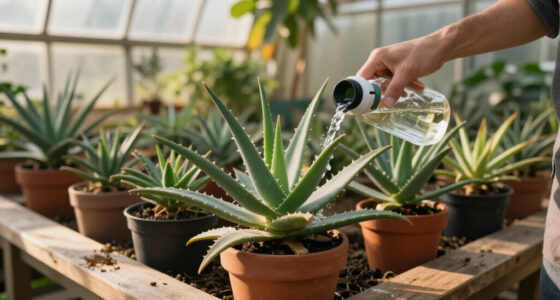
- Adjust watering. As the main plant uses its stored energy, cut back watering. Keep the soil lightly moist, but don’t overdo it — excessive moisture can cause rot, especially since the plant is weakened after flowering. Proper watering supports pup development and overall health.
- Support the stalk if needed. If you want to keep the bloom as a visual feature, stake it carefully, but be cautious — the stalk can be brittle and susceptible to breaking in wind or storms. Proper support can prolong the display and add a dramatic focal point to your landscape.
For example, after a large agave in your xeriscape blooms, you might cut the stalk at the base, then carefully transplant the pups into pots or new garden spots. This approach not only manages the plant’s health but also provides you with new specimens for your landscape.
Remember: removing the stalk is both safe and beneficial, helping your plant focus energy on the pups and preventing damage or injury from falling stalks. It’s a practical step rooted in understanding the plant’s natural lifecycle.
succulent and agave replanting pots
As an affiliate, we earn on qualifying purchases.
As an affiliate, we earn on qualifying purchases.
Should You Keep the Blooming Stalk as a Garden Feature?
Some gardeners love the dramatic look of a tall flower stalk. It can add height, texture, and a desert wildflower vibe to your landscape. If you choose to keep it, support it with sturdy stakes, and enjoy the buzzing pollinators and vivid blooms. This decision can enhance your garden’s visual interest and highlight the plant’s natural reproductive display.
However, a tall stalk can become a hazard if it topples, especially during storms or high winds. It might also divert energy from your other plants, potentially weakening the overall landscape. Think about your garden’s layout, safety considerations, and aesthetic goals before leaving it in place. Supporting the stalk can prolong its visual impact but requires vigilance to prevent accidents.
For example, in a large xeriscape, a blooming stalk might serve as a focal point or a conversation piece. In a small garden, pruning it after the bloom can prevent safety issues and encourage the growth of pups, maintaining a balanced, healthy landscape.
Ultimately, whether to keep or remove the stalk depends on your aesthetic preferences, safety concerns, and the specific growth habits of your agave species. Understanding these factors helps you make a choice that aligns with your gardening goals and landscape design.
well-draining cactus and succulent soil
As an affiliate, we earn on qualifying purchases.
As an affiliate, we earn on qualifying purchases.
How to Propagate and Grow New Agave Plants From Offsets
Once your agave blooms, the pups are your best chance for a new start. Propagating agave from offsets is straightforward and rewarding, but understanding the process deeply can improve success rates and long-term plant health.
- Identify healthy pups. Look for offsets at least one-third the size of the mother plant with their own root systems. Healthy pups should be firm, with vibrant color, indicating vigor and good energy reserves.
- Carefully dig around the pups. Use a garden spade or trowel, being gentle to avoid damaging roots. Properly excavating ensures the pups retain their root systems and reduces transplant shock.
- Remove pups. Gently pull or cut them free. Let them dry for a day to callous over cuts, which helps prevent rot and encourages quicker rooting when replanted.
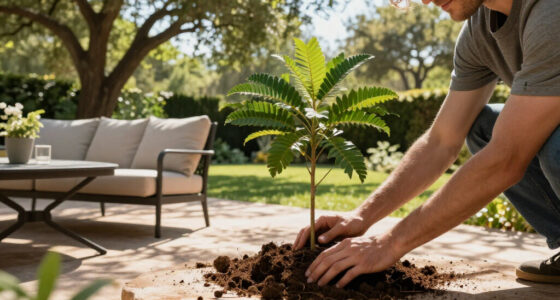
- Replant in well-draining soil. Use a cactus or succulent mix, place the pup at the same depth as before, and water lightly after a week. Adequate drainage and minimal initial watering are crucial for establishing healthy roots and avoiding fungal issues.
For example, if you have a large agave that just finished blooming, you might find several pups around its base. Dig them out, pot them up, and watch new plants grow within a season. This method allows you to multiply your garden’s agave population efficiently.
Propagation from seeds is also possible but takes longer — often 3-5 years before the plant matures enough to bloom again. Seeds require patience and specific germination conditions, making offsets the preferred method for most gardeners wanting quick results.
Common Mistakes to Avoid During and After Blooming
Even seasoned gardeners slip up. Here are the most common mistakes and how to avoid them, with insights into why these errors matter:
- Ignoring the bloom stalk. Failing to remove it can lead to toppling or damage, especially if it gets heavy or breaks. Allowing the stalk to remain can also divert energy from pup development, reducing the plant’s overall vitality and future growth potential.
- Overwatering pups. Remember, the plant is using stored energy. Too much water can cause rot or fungal issues, which can quickly devastate young roots and compromise the future of your offsets. Proper watering practices are essential to ensure healthy establishment.
- Trying to save the main plant. It’s normal for it to die after blooming. Attempting to revive or overinvest in the dying main plant can divert resources from developing pups, which are vital for your landscape’s continuity. Recognizing the natural lifecycle prevents unnecessary effort and frustration.
- Neglecting to support tall stalks. If you leave the bloom stalk standing, support it to prevent accidents. A broken stalk can be dangerous and diminish the visual impact you might want to preserve. Proper support also prolongs the display and reduces damage risk.
For instance, some gardeners leave the stalk to create a striking visual, only to find it falls over during a storm. Proper staking and timely removal can save you trouble and protect your plants and visitors.
In short, respecting the plant’s natural lifecycle and paying attention to post-bloom care keeps your desert landscape thriving. Recognizing the tradeoffs — such as the aesthetic appeal versus safety concerns — helps you make informed decisions that balance beauty with practicality.
Frequently Asked Questions
Should I cut my agave’s flower stalk after it blooms?
Yes. Removing the stalk after blooming prevents it from toppling or causing damage, and encourages pups to grow instead of supporting a dying main plant.Can I keep the bloom stalk as a decorative feature?
Absolutely, if supported properly. It adds height and visual interest, but be aware it will eventually decline and fall. Support and safety are key.How long after blooming does my agave die?
Typically, the main plant starts to decline right after flowering, with the stalk fading over a few weeks to a couple of months, depending on the species.How do I propagate new agave plants from pups?
Gently dig around healthy pups, let them callous for a day, then replant in well-draining soil. Water sparingly until roots establish.Can my agave bloom again?
No. Most agave plants are monocarpic and bloom once. However, their pups can produce their own flower stalks after several years.Conclusion
The death of an agave’s bloom stalk marks the end of one cycle and the beginning of another. By removing the spent stalk and nurturing the pups, you turn a bittersweet event into a chance for new life.
Remember, these dramatic flowering events are a natural part of your agave’s life — a wild, fiery farewell that leaves behind a legacy of new plants. With a little care, your desert garden will continue to thrive, full of the spiky, sun-loving charm you love.
Halloween Picks
halloween
As an affiliate, we earn on qualifying purchases.