TL;DR

Get garden gear delivered free with Prime
- Fast, free delivery on millions of items
- Prime Video, Amazon Music and more included
- Member-only deals all year
Matching native trees like Ironwood, Mesquite, or Acacia to your lot size ensures sustainable, attractive desert landscaping. Understand growth patterns, root needs, and space requirements to make smart choices.
When it comes to desert landscaping, the biggest mistake is planting a tree without considering how big it will get. You might fall for a lush, fast-growing Mesquite, only to realize it quickly outgrows your small yard. Or you could overlook a slow-growing Ironwood, missing out on decades of shade and habitat.
This guide helps you match three popular native trees—Ironwood, Mesquite, and Acacia—to your lot size and site conditions. It’s about planting smart, conserving water, and creating a landscape that ages gracefully.
Always match a tree’s mature canopy width to your available space to prevent future conflicts.
Choose native species with growth habits suited to your lot size—small, medium, or large.
Prioritize structural pruning early to maintain natural form and prevent weak, risky branches.
Thorns, seedpods, and litter are natural but plan placement carefully to reduce maintenance.
Water deeply during establishment; native trees need less water once mature, but patience is key.
Ironwood, Mesquite or Acacia: Matching Native Trees to Lot Size
The right desert tree is determined by its mature canopy, root room, site conditions, and long-term behavior—not the size of its nursery container. Plan for the tree it will become.
Three trees, three spatial personalities
Native desert trees can deliver shade, habitat, flowers, and resilience. The best choice is the one whose natural form fits the available planting area with room to spare.
Desert ironwood
Olneya tesotaA durable, long-lived habitat tree for well-drained sites. Establishment is patient work, but the mature tree offers lasting shade and wildlife value.
Medium to large lotsNative mesquite
Prosopis speciesQuick shade comes with a broad crown, thorns, pods, surface roots, and potential wind breakage when excessive irrigation creates weak growth.
Medium to large lotsAcacia relatives
Vachellia and Senegalia speciesSpecies selection is critical. Many offer pollinator-friendly flowers and compact forms, but thorns, cold tolerance, and mature size vary widely.
Small to medium lotsCompare before you plant
A “native” label is only the beginning. Confirm the scientific name, local provenance, mature dimensions, cold tolerance, and behavior under irrigation.
| Tree group | Mature scale | Growth | Best lot fit | Planning considerations |
|---|---|---|---|---|
| Desert ironwood | 20–30 ft tall and wide; occasionally larger | ~Slow | ✓Medium to large | Excellent drainage, patient establishment, habitat value, and possible local protection or regulation. |
| Native mesquite | 20–40 ft tall; often equally wide or wider | ✓Moderate to fast | ✓Medium to large | Broad canopy, thorns, pods, surface roots, and weak growth risk under excessive irrigation. |
| Acacia relatives | Approximately 10–30 ft, depending on species | ~Moderate | ✓Small to medium | Species-dependent thorns, flowers, litter, taxonomy, provenance, and cold tolerance. |
Actual dimensions vary by species, climate, soil, pruning, and irrigation.
Width determines whether the site works
Desert crowns frequently become as wide as—or wider than—the tree is tall. Repeated pruning cannot permanently convert a naturally large species into a compact tree.
Find the realistic mature canopy width for the exact species and local conditions.
Map walls, utilities, property lines, pavement, pools, drains, and visibility zones.
Choose a species whose natural crown fits without routine size-reduction pruning.
Reserve broad soil volume and create a deep, expanding irrigation zone.
The canopy is only half the decision
A well-matched tree must also coexist with movement, maintenance, water, soil, weather, and the everyday use of the property.
Protect soil volume
Large trees need broad, uncompacted ground. Avoid narrow strips between walls and sidewalks.
Separate from traffic
Keep thorny species away from entrances, play areas, pet runs, paths, and parking spaces.
Plan the drop zone
Pods, flowers, leaves, and twigs support wildlife but complicate pools, turf, and roof drains.
Prune with restraint
Train young branches selectively while preserving the tree’s natural form and shade canopy.
Water deeply, then taper
Native trees are low-water after establishment, not no-water at planting. Broad, slow irrigation encourages deep roots; frequent shallow watering concentrates roots near the surface.
An establishment rhythm
Apply water slowly over a broad zone, allow the soil to dry appropriately, and expand the irrigation footprint as the canopy grows. Adjust frequency for season, soil, rainfall, and species.
Placement by consequence
Natural traits become maintenance problems only when they collide with high-use spaces. Match each tree’s behavior to the least sensitive zone.
A landscape that ages gracefully
Why Tree Width Matters More Than Height in Desert Gardens
Desert trees often develop canopies wider than their height. For example, a mature Mesquite can spread 30–40 feet across, shading your entire patio. If you plant it in a narrow space, you’ll end up pruning constantly or risking damage to nearby structures.
Plan for the mature width—not just the height—to avoid future problems. Think about setbacks from walls, driveways, pools, and utility lines. Remember, pruning can’t shrink a tree’s natural spread.
Understanding why width is critical helps you design a resilient landscape. Trees with expansive canopies can provide essential shade and habitat, but only if they have enough room to grow naturally. Overcrowding leads to stress, increased pruning needs, and potential limb failure. Conversely, planting a species too small for your space might mean frequent replacements or a lack of desired shade. Prioritizing space for mature width ensures long-term health, reduces maintenance, and maximizes ecological benefits.
native desert trees Ironwood Mesquite Acacia
As an affiliate, we earn on qualifying purchases.
As an affiliate, we earn on qualifying purchases.
Pick the Right Native Tree for Your Lot Size — Real Examples Included
Matching tree size to lot is about more than just numbers. It’s about understanding the growth habits of Ironwood, Mesquite, and Acacia—each with distinct needs and effects.
Here’s a quick comparison:
| Tree group | Typical mature size | Growth rate | Best fit | Main considerations |
|---|---|---|---|---|
| Ironwood | 20–30 ft tall and wide; occasionally larger | Slow | Medium to large lots; habitat gardens | Requires excellent drainage; slow to establish, but very durable once mature. Its dense wood and longevity make it ideal for long-term shade and habitat, but patience is needed during early years. |
| Mesquite | 20–40 ft tall, wider than tall | Moderate to fast | Medium to large lots; habitat & shade | Produces thorns, seedpods, and surface roots, which can cause maintenance challenges. Its rapid growth provides quick shade, but it requires space for its broad canopy and root system. Consider its litter and potential root conflicts when planning. |
| Acacia relatives | 10–30 ft | Moderate | Small to medium lots | Many have thorns and produce flowers and seedpods. They are suitable for smaller spaces and can be trained into attractive, low-maintenance trees, but some species may require pruning to manage their growth and litter. |
Choosing a species that naturally fits your lot’s scale minimizes the need for ongoing pruning or restrictions, reducing stress on the tree and your landscape. It also ensures the tree can fulfill its ecological role, providing shade, habitat, and beauty over decades without constant intervention.
drought-tolerant landscape trees for small yard
As an affiliate, we earn on qualifying purchases.
As an affiliate, we earn on qualifying purchases.
How to Match Tree Width and Root Space to Your Property
Root space and canopy width go hand in hand. For example, a large Mesquite needs at least 15–20 feet of undisturbed soil around it to avoid roots damaging foundations or pavement. This space allows roots to spread naturally and access water and nutrients efficiently, which is vital for the tree’s health and stability.
Here’s a step-by-step:
- Estimate the mature canopy width of your selected tree. Understanding its potential spread helps you plan for adequate space, reducing future conflicts.
- Measure the available space—setbacks from structures, property lines, and underground utilities. Consider local codes and safety guidelines to determine minimum distances.
- Compare the two and choose a tree that naturally fits that space. If the space is limited, select smaller native species or consider training a shrub into a tree form.
- Plan for deep, broad watering zones to support healthy roots, especially in rocky or compacted soils. Proper watering encourages deep root growth, making trees more drought-resistant and stable.
Matching root and canopy space is essential for minimizing conflicts, preventing damage, and ensuring the long-term sustainability of your landscape. It also reduces the need for costly repairs or replanting down the line, making your investment in native trees more effective and rewarding.
tree planting guide for desert landscaping
As an affiliate, we earn on qualifying purchases.
As an affiliate, we earn on qualifying purchases.
Thorns, Pods, and Litter: What to Expect and Where to Plant
Native desert trees often come with a few quirks—thorns, seedpods, and leaf litter. For example, Mesquites produce pods that feed wildlife but can litter your driveway or pool cover. Ironwoods shed leaves mainly during drought or cold, creating a seasonal carpet on the ground.
Think about placement. Thorny trees like catclaw Acacia should stay away from walkways, play areas, and pet zones. Pods and litter are best kept away from pools and roof drains to reduce cleanup. Proper placement minimizes the impact of these natural traits on your daily activities and reduces maintenance time.
For a backyard entertaining area, opt for a thornless or less prickly species. Near a pool or patio, choose smaller, less messy trees that won’t drop large seedpods or shed excessive leaf litter. This strategic placement balances ecological benefits with practical needs, ensuring your landscape remains functional and attractive without excessive upkeep.
As an affiliate, we earn on qualifying purchases.
Water Needs After Planting — How to Keep Your Tree Healthy
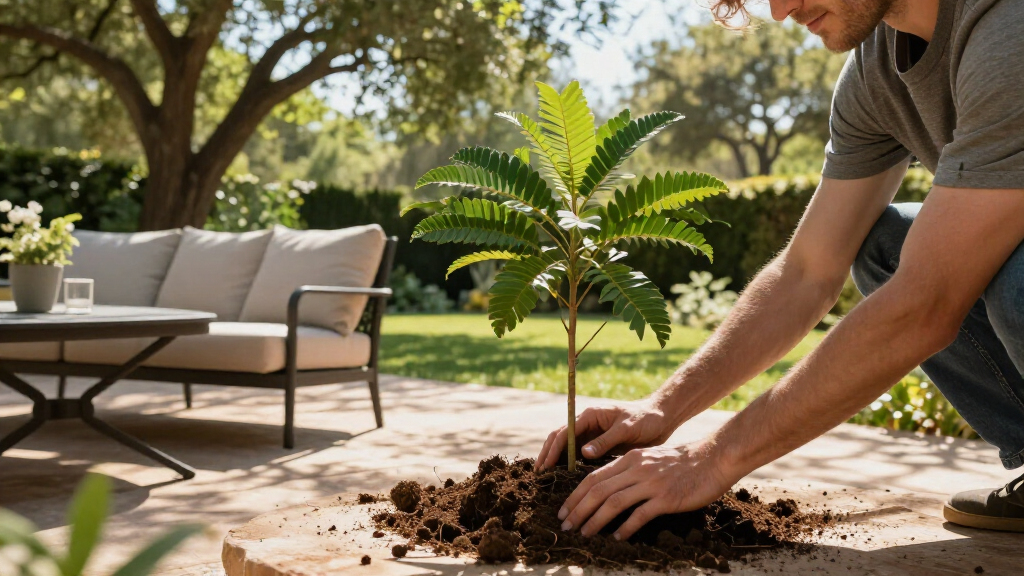
Once established, native desert trees like Ironwood, Mesquite, and Acacia use surprisingly little water. Still, during their first 2–3 years, they need regular deep watering to develop strong roots. Proper watering during this period is critical because it influences the tree’s drought resilience and overall vitality for decades to come.
For example, young Mesquites benefit from weekly soaking, delivering about 10 gallons of water per tree. This helps establish a deep root system that can access water stored in lower soil layers, reducing the need for supplemental watering later. Overwatering, however, can lead to shallow roots, increased disease risk, and stress, so balancing watering frequency and volume is essential.
Use a deep, slow drip or soaker hose to wet a broad soil zone. Allow the soil to dry thoroughly between waterings—this encourages roots to grow downward rather than staying shallow. Deep roots are vital for drought resilience, especially in rocky or compacted soils that limit water penetration.
Remember: native trees aren’t no-water plants. They need patience and proper watering during establishment, then minimal care afterward. This approach supports sustainable, low-maintenance landscapes that thrive with less intervention over time.
Preserving Natural Structure for Long-Term Stability
Over-pruning or removing too many branches can weaken native trees and spoil their natural beauty. For example, lion-tailing—removing interior branches—reduces shade and can cause branch failure later. Such practices strip the tree of its natural form, making it more vulnerable to storm damage and pests, and diminishing habitat value.
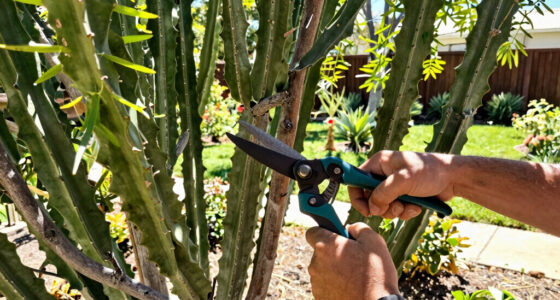
Instead, focus on early structural pruning. Remove competing stems and poorly attached branches when the tree is young. This promotes a balanced, open crown that provides shade and habitat while maintaining the tree’s natural resilience. Proper pruning encourages the development of strong, well-attached branches that can withstand storms and support wildlife, all while preserving the tree’s aesthetic and ecological integrity.
Leaving the natural form intact supports healthy growth and reduces maintenance. It also ensures the tree ages gracefully, maintaining its ecological and landscape functions over decades. Thoughtful, minimal pruning tailored to the tree’s growth stage and species needs is key to long-term stability and beauty.
Native Tree Species Profiles — What Makes Each Special
Desert Ironwood is a slow but long-lived tree, offering dense wood, lavender flowers, and crucial habitat. It prefers fast-draining soils and minimal disturbance. Because it’s protected in many areas, check local rules before planting or removing. Its durability and ecological importance make it a cornerstone species for long-term desert landscapes, but patience is necessary as it takes decades to reach full size.
Mesquite provides fast shade, attractive flowers, and edible pods. It adapts to various soils but can produce messy litter and prickly thorns. Its broad canopy is perfect for large lots or natural landscapes. Its rapid growth can be a benefit or a challenge, depending on your maintenance capacity and space considerations.
Acacia relatives like catclaw or whitethorn are smaller, flowering, and wildlife friendly. They fit well in small yards but carry thorns or seedpods that need management near pathways and play zones. Their quick response to pruning and flowering makes them versatile, but their natural thorns require mindful placement to prevent injury.
Each species offers unique benefits. Match them carefully to your site’s size, soil, and maintenance preferences to ensure a successful, sustainable addition to your landscape.
Matching Trees to Your Lot Size — Practical Tips
Here’s a quick guide based on lot size:
- Small lots and courtyards: Focus on compact native Acacia or other small trees. Avoid large mesquites or ironwoods unless you have ample space. Smaller species reduce maintenance and avoid overwhelming the space, creating a balanced, sustainable landscape.
- Medium suburban yards: Mesquites provide quick shade but need room for their broad crowns. Ironwoods suit those who want longevity and habitat but accept slow growth. Proper placement ensures these trees develop their full ecological and aesthetic potential without crowding or conflict.
- Large lots and naturalistic areas: All three work well. Group native species for ecological richness and visual interest. Larger spaces allow trees to grow naturally, supporting local wildlife and creating lush, resilient landscapes.
In tight spaces, opt for smaller species or trained shrubs. For sprawling lots, let trees grow naturally for maximum shade and wildlife value. Thoughtful planning based on lot size ensures your landscape remains sustainable and beautiful for decades.
What the Latest Trends Mean for Your Desert Landscape
New research emphasizes the importance of provenance—planting local, native species for resilience and wildlife benefits. There’s also more focus on water-efficient practices—deep, infrequent watering and hydrozoning. These strategies reduce water use and improve plant health, making landscapes more sustainable and resilient to climate change.
Protection of mature native trees is now a priority, with regulations tightening around salvage and removal. Modern pruning favors structural integrity over aesthetic thinning, extending tree lifespan and supporting ecological functions. These trends highlight a shift toward more mindful, ecological landscaping that balances beauty, water conservation, and habitat preservation. Adopting these practices means your landscape can become a resilient sanctuary that supports local biodiversity and conserves resources for future generations.
Frequently Asked Questions
Which tree is best for a small yard?
A small native *Vachellia* or *Senegalia* species is usually your best bet. They stay compact and avoid the risk of outgrowing your space. Avoid large mesquites or ironwoods unless you have plenty of room.
Which tree provides shade fastest?
Mesquites tend to develop useful shade quicker than ironwood. With regular irrigation, you can see full canopy growth in 5–7 years, compared to ironwood’s 15–20 years.
Are these native trees safe around children and pets?
Most are safe if properly maintained. Thorns and falling branches pose physical hazards, so keep thorny species away from play areas. Regular inspections and pruning help keep your landscape safe.
Do native trees need fertilizer?
Typically no. Native trees are adapted to lean soils and often grow best without fertilizers. Soil testing can tell if your site needs amendments, but over-fertilizing can weaken the tree’s natural drought tolerance.
How far should I plant a tree from my house?
Base the distance on the tree’s mature canopy and root spread. Large trees often need at least 15–20 feet from your foundation, while smaller species can be closer if space allows. Always consider utility clearance and fire safety guidelines.
Conclusion
Getting the right native tree for your lot isn’t about quick shade or instant impact. It’s about understanding growth habits, space, and long-term needs. A thoughtful choice today pays off in decades of beauty, habitat, and water savings.
Picture a mature Ironwood standing silent and sturdy in your landscape, a sanctuary for birds and insects, weathering seasons with patience. That’s the reward for matching native trees to your lot size—and respecting what nature already provides.
Fall yard work Picks
leaf blowers
As an affiliate, we earn on qualifying purchases.