TL;DR

Get garden gear delivered free — and shop member deals
- Fast, free delivery on millions of items
- Access to Prime Big Deal Days deals on October 6–7
- Prime Video, Amazon Music and more included
Drought-tolerant desert plants survive long dry spells by conserving or storing water, but they still need suitable growing conditions and regular care while they establish. Match plants to your region, winter lows, sun, and drainage; water new plants deeply and less often over time, and group species with similar water needs.
A cactus can survive a long dry spell and still rot after a week in waterlogged soil. That simple mismatch explains why a garden full of “drought-tolerant” labels sometimes turns into a collection of yellow, mushy plants.
Desert plants have different ways to save or store water, and those adaptations work best when the plant also gets the right sun, soil, and winter temperatures. A Sonoran Desert native is not automatically a good fit for a frosty garden or a low spot where rainwater sits.
Here you’ll learn how to choose plants for your region, what to plant in different parts of a yard, and how to water them through their first hot season. You’ll also get practical guidance on drainage, pots, wildlife, and safety—so your garden can use less water without becoming a guessing game.
Choose plants for your local winter lows, sun, drainage, and the space they will occupy at maturity.
Treat drought tolerance as an adaptation, not a promise that a plant needs no water.
Water new plants deeply, check soil moisture, and lengthen the time between waterings as roots establish.
Use pots with drainage holes and soil suited to the species; lingering wet soil can harm desert plants.
Buy nursery-propagated plants, and keep sharp or potentially irritating species away from busy paths and children or pets.
Learn how desert plants save water before you choose one
Drought-tolerant desert plants survive long periods with little rainfall by conserving water, storing it, or making use of brief wet periods. Some have waxy or tiny leaves that slow water loss, while cacti and succulents store water in fleshy stems or leaves. Those strategies solve different problems: a water-storing succulent can bridge a dry spell, while a plant with small leaves may limit how quickly it loses moisture. Neither strategy tells you by itself whether the plant can handle frost, shade, or wet roots.
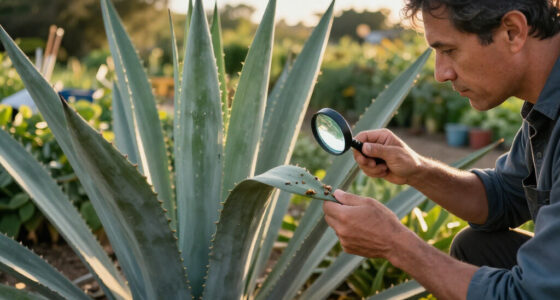
Many cacti and succulents use CAM photosynthesis: they take in carbon dioxide at night, when cooler air can reduce water loss, and use it during the day. Spines can shade a cactus and discourage browsing, while reflective surfaces bounce some intense sunlight away. Deep-rooted shrubs and trees take another route, reaching moisture below the soil surface after a rain. These adaptations explain why two plants in the same dry garden may need different placement: a deep-rooted shrub needs enough soil depth, while a cactus may be more vulnerable to excess moisture around its roots.
Desert annuals play a different hand. They may sprout, flower, and set seed quickly after rain, then wait out the dry season as seeds. In a Tucson yard, that can mean a flush of wildflowers after a wet winter followed by bare ground when heat arrives. This seasonal cycle offers quick color with little long-term irrigation, but it does not provide year-round foliage. A slow-growing agave, by contrast, holds its ground through dry months rather than racing to finish a life cycle, trading seasonal change for lasting structure.
These adaptations are useful clues, not promises of zero care. A young plant has not yet built the root system of an established one, and even a mature desert plant can suffer during extreme heat or a prolonged dry spell. The implication is practical: use a plant’s adaptation to narrow your choices, then check its local cold limits, root conditions, and mature form before planting. The next step is matching these water-saving tricks to the climate outside your door.
drought-tolerant desert plant pots with drainage holes
As an affiliate, we earn on qualifying purchases.
As an affiliate, we earn on qualifying purchases.
Match plants to your winter lows, sun, and yard space
Drought-tolerant desert plants thrive when you match them to local winter temperatures, sun exposure, soil drainage, and mature size—not just to a hot summer. Heat tolerance and cold tolerance are separate traits, and plants from one desert region may not suit another. This distinction matters because a plant can handle months without rain yet be damaged by a brief freeze or by cold soil that stays wet. Before you buy, check a reliable local nursery or regional extension guide for the plant’s cold limits and final size.
For a sunny, dry corner in the Sonoran Desert, a locally suitable prickly pear, brittlebush, or palo verde may make sense, depending on the available room and your site. A palo verde becomes a tree, not a tidy little shrub, and many prickly pears have sharp spines or glochids that can irritate skin. In a colder area, those same species may need protection or may not be appropriate outdoors at all. Choosing a smaller or less dramatic plant can be a worthwhile tradeoff if it means fewer winter losses, less pruning, and safer access around paths.
Use a quick site check before choosing:
- Winter cold: Look up the lowest temperatures your garden usually gets, including occasional freezes. A plant near its cold limit may survive most years but still be vulnerable in an unusually cold one.
- Sun and shade: Note whether the spot gets blazing afternoon sun or cool morning light. More sun can support flowering or compact growth in some species, but reflected heat from walls or paving can add stress.
- Drainage: Check whether water disappears after rain or lingers in a puddle. Slow drainage is especially important for plants adapted to dry roots, and fixing it may be more effective than trying to compensate through careful watering.
- Mature size: Leave room for roots, branches, spines, and future pruning needs. Planting too close may create years of trimming or force removal once the plant reaches its natural size.
- Water needs: Group plants that need similar irrigation rather than mixing thirsty and very dry-soil species. Otherwise, watering enough for one plant can leave its neighbor stressed or rotting.
Regionally native plants often fit local soils and weather and can offer food or shelter to native wildlife. Buy nursery-propagated plants instead of removing them from the wild. A native garden can still fail in the wrong spot, though; a desert plant placed where roof runoff pools may be less happy than a carefully chosen nonnative with matching needs. The useful goal is not “native at any cost,” but a planting that suits both the site and the local ecosystem.
succulent and cactus soil mix for desert plants
As an affiliate, we earn on qualifying purchases.
As an affiliate, we earn on qualifying purchases.
Compare desert plants by the job you need them to do
Drought-tolerant desert plants make the most sense when you choose them for a specific place in the yard: a low accent, a flowering shrub, a shade tree, or a seasonal splash of color. No single plant suits every garden, and common examples differ in size, sharpness, cold tolerance, and water needs. Check local recommendations before treating this table as a shopping list; the same kind of plant can vary by species and cultivar, and local conditions affect how it performs.
| Plant group | Example | Good fit | Watch for |
|---|---|---|---|
| Cactus | Barrel cactus | Sunny, sharply drained spots | Spines; poor fit for play areas and narrow paths |
| Succulent | Agave | Bold structure in a dry, open bed | Some types grow large and have sharp leaf tips |
| Desert shrub | Brittlebush | Dry landscapes with room for a flowering shrub | Check local water and pruning needs |
| Desert tree | Palo verde | Shade and wildlife value where a tree can mature | Needs space; mature shape and litter vary by species |
| Fast annual | Locally suited desert wildflower | Seasonal color after favorable rain | May disappear during the dry season |
Think about how people move through the yard, too. A spiny cactus can be a striking focal point beside a gravel bed, but it is a poor neighbor next to a child’s scooter route or a narrow gate. If you want shade over a west-facing patio, a tree such as a locally appropriate mesquite or palo verde may do a different job than a cluster of succulents. The tree offers broader shade but takes more space and time to mature; compact plants offer quicker structure but cannot provide the same canopy.
Plant size and wildlife value also deserve a place in the decision. Regionally native shrubs and trees can offer habitat, while flowers may draw pollinators; benefits depend on the species and local conditions. Those benefits come with practical considerations such as seasonal leaf drop, seed litter, or thorns, so think about maintenance as well as appearance. Labels such as “desert plant” cover a wide range, so choose by the conditions you can provide, not by the look of a photograph.
nursery-propagated desert plants for landscaping
As an affiliate, we earn on qualifying purchases.
As an affiliate, we earn on qualifying purchases.
Water new plants deeply, then stretch the time between drinks
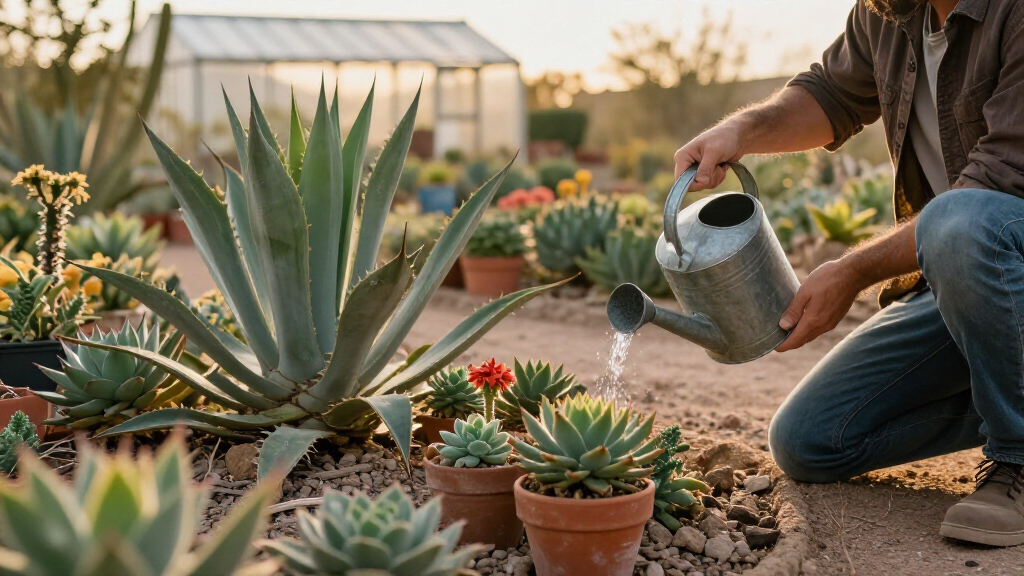
Drought-tolerant desert plants need a careful establishment period: water newly planted specimens deeply, then lengthen the interval as roots take hold. A nursery plant moved into hot, dry ground has a small root ball, even if the mature species can survive long dry spells. The aim is to moisten the soil where roots are growing, then allow air back into it before watering again. The right schedule depends on species, soil, weather, and planting season, so check the plant’s local care guidance instead of following a fixed calendar.
Use this simple sequence as a starting point, then adjust as conditions change:
- At planting, soak the root zone. Wet the soil around the root ball, not just the surface mulch. A shallow sprinkle may look sufficient but can leave the roots dry just below the surface.
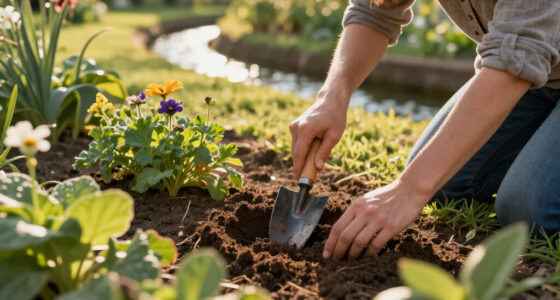
- Check the soil before watering again. A finger or small trowel can tell you whether the root zone is still damp. This check helps prevent a routine from turning into repeated watering while the soil has not dried.
- Water deeply when the plant needs it. Let water reach the roots, and avoid leaving the plant in standing water. Deep watering encourages roots to explore the surrounding soil, while frequent shallow watering can keep them near the surface, where they dry quickly.
- Increase the gap gradually. As the plant establishes, give it longer between thorough waterings instead of frequent shallow splashes. This transition encourages roots to spread without abruptly withholding water from a young plant.
- Recheck during extreme heat. A prolonged hot spell can stress even established plants, especially in exposed containers. Adjust based on soil and plant condition rather than assuming the old interval still fits.
For example, a new desert shrub planted in a Phoenix yard in spring may need closer attention as hot weather arrives than the same shrub after its roots have spread through several seasons. Sandy soil dries faster than heavier soil; a pot in afternoon sun can heat and dry faster than a garden bed. Look for changes in the plant and soil rather than watering automatically every day. This takes more observation at first, but it avoids the opposite mistakes of letting a new root ball dry out or keeping it continuously wet.
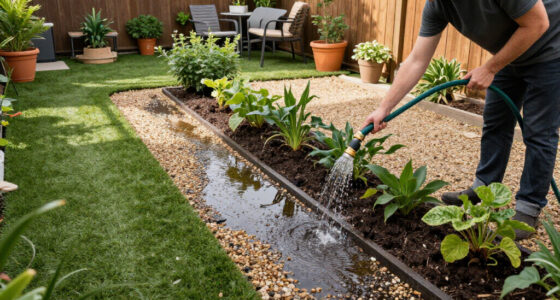
Watering too often can be as damaging as underwatering, especially for cacti and succulents. Persistently wet soil cuts off air around roots and can lead to rot, while severe drought may cause stress or wrinkling. When leaves turn yellow or soft, check soil moisture and drainage before adding more water; the plant may be drowning, not thirsty. If the soil is dry and the plant shows stress, water thoroughly; if it remains wet, address drainage and wait for the root zone to dry.
watering can for deep watering of new plants
As an affiliate, we earn on qualifying purchases.
As an affiliate, we earn on qualifying purchases.
Fix drainage before adding more water or fertilizer
Drought-tolerant desert plants need soil that drains well because many handle a short dry spell better than roots that sit in wet soil. Roots need both moisture and air; when soil stays saturated, air spaces fill with water and roots can struggle to function or rot. A gravelly surface alone does not fix a soggy planting hole, and a garden bed beside a downspout may collect more water than the plant can use. Watch what happens after rain: if a puddle lingers, solve the drainage problem before planting a cactus or succulent there.
In containers, use a pot with drainage holes and a mix suited to the plant. A decorative pot without an exit for water can turn into a bathtub after irrigation. For instance, if an aloe’s leaves become soft and yellow while the mix stays damp, move it to a draining container and review the watering routine rather than feeding it more fertilizer. This is a useful diagnostic distinction: adding water or fertilizer cannot correct a root zone that lacks oxygen.
Different plants need different soil and light, so avoid a one-mix-fits-all approach. A container cactus and a desert shrub planted in native ground do not need identical treatment. Keep the root zone from staying saturated, and don’t assume that a layer of rocks at the bottom of a pot will replace drainage holes. The practical tradeoff is between a mix that sheds excess water and one that holds enough moisture for roots; choose based on the species and how quickly the container dries in its location.
Fertilizer is not a cure for a plant struggling with poor drainage, extreme exposure, or the wrong climate. Start by checking light, soil moisture, pot drainage, and winter suitability. If you grow desert plants indoors, give them the brightest suitable spot you can and avoid leaving them in a dim room where soil dries slowly. The plant may need less help than you think—just a better-matched place to grow.
Build a water-wise garden that fits real life
A water-wise desert garden works best when you group plants by water needs and plan around how you use the yard. That can mean a drier bed for cacti and succulents, a separate area for shrubs that need more attention while young, and shade from a suitable tree where space allows. Grouping makes irrigation easier to manage and keeps a thirsty plant from forcing you to overwater its dry-soil neighbors. It also lets you adjust watering zone by zone as plants establish, rather than treating the whole yard as if every root system and soil condition were the same.
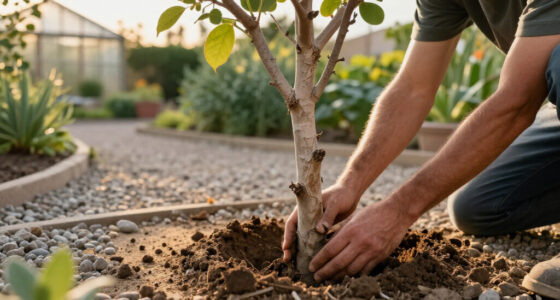
Imagine replacing a thirsty lawn strip beside a driveway. You could use locally suitable shrubs for seasonal flowers, a carefully placed cactus away from foot traffic, and a tree where its mature canopy will shade the hottest part of the yard. Leave access for pruning and maintenance, and allow for the final width of each plant. A tiny nursery specimen can eventually crowd a path or block a window. Planning for mature size may make the new bed look less full at first, but it reduces the need for repeated pruning or removal later.
Native plants can bring ecological benefits as well as reduce the need to fight local conditions, but they are not automatically maintenance-free. A regionally native tree still needs room and establishment water, and a plant that supports local wildlife may have thorns, seeds, or seasonal leaf drop. Ask a local nursery about mature size, wildlife value, and care needs before planting. In practice, the best choice balances water savings and habitat value with the maintenance you can realistically manage.
For a small yard or balcony, containers offer flexibility, though they dry and heat differently from garden beds. Use a sturdy pot with drainage, check it more often during hot weather, and move frost-sensitive plants when needed. Containers make it easier to control soil and relocate a plant, but their limited soil volume also means conditions can change quickly. If children or pets use the space, place sharp or potentially irritating plants out of reach and check the identity and toxicity of any species before bringing it home.
Frequently Asked Questions
Which drought-tolerant plants are best for my region?
Choose regionally recommended species after checking winter lows, sun, drainage, and mature size. A Sonoran Desert plant may struggle in a cold, wet winter, so ask a local nursery or extension service for plants suited to your area.
How often should I water a newly planted desert plant?
There is no single schedule for every species, soil, and weather pattern. Water deeply at planting, check the root-zone soil before watering again, and gradually lengthen the time between thorough waterings as the plant establishes.
Can desert plants survive frost?
Some can, but drought tolerance does not automatically mean frost tolerance. Check a plant’s minimum temperature needs and protect or move vulnerable specimens when freezing weather threatens.
Why is my cactus or succulent turning yellow and soft?
Yellow, soft growth can point to overwatering or poor drainage, though other stresses can cause problems too. Check whether the soil stays wet, confirm the pot has drainage holes, and review the plant’s light and local care needs before adding water.
Can I grow desert plants in pots?
Yes. Use a container with drainage holes and a mix suited to the species, then watch the pot more closely during extreme heat because containers can dry and warm faster than garden soil.
Are drought-tolerant desert plants safe around children and pets?
Safety depends on the exact species. Some plants have sharp spines or leaf tips, and some may irritate or harm people or pets if touched or eaten; identify the plant and check reliable toxicity guidance before placing it in a shared space.
Conclusion
Choose a desert plant for the conditions you actually have: winter cold, blazing sun, soil drainage, and room to grow. Then give it a thoughtful establishment period instead of assuming its drought tolerance means it can fend for itself on day one.
Start with one well-matched plant, watch how water moves through its soil, and build from there. A good desert garden doesn’t fight the weather; it makes room for the plants that know how to live with it.
Fall Picks
fall essentials
As an affiliate, we earn on qualifying purchases.