
TL;DR

Get garden gear delivered free with Prime
- Fast, free delivery on millions of items
- Prime Video, Amazon Music and more included
- Member-only deals all year
Palo Verde, Mesquite, and Ironwood are the best native trees for low-desert yards. They provide shade, support wildlife, and need minimal water once established. Proper selection and care make your desert landscape lush and sustainable.
Forget the idea that desert landscapes are just rocks and cacti. With the right native shade trees, your yard can become a cool, inviting space that thrives with minimal water. These trees—Palo Verde, Mesquite, and Ironwood—aren’t just pretty; they’re built for desert life, supporting your garden and the local ecosystem.
If you’re tired of fighting drought and want a yard that stays green and cool without guzzling water, this guide is for you. We’ll explore why these trees work, how to care for them, and what makes each one special for your low-desert landscape.
Native desert trees like Palo Verde, Mesquite, and Ironwood are highly drought-tolerant and eco-friendly choices for low-desert yards.
Proper planting—deep, wide holes, initial watering, and mulching—sets these trees up for long-term success.
Each tree has unique traits: Palo Verde blooms vividly and grows quickly, Mesquite offers dense shade and fixes nitrogen, Ironwood provides year-round evergree…
Watch for mess and thorns—choose varieties wisely based on your space and cleanup tolerance.
Combine these trees with other xeriscape elements like rocks, drought-tolerant plants, and mulch for a sustainable, beautiful yard.
Native Shade Trees for Low-Desert Yards
Palo Verde, Mesquite, and Ironwood turn exposed yards into cooler, wildlife-friendly landscapes. Once established, these desert natives deliver generous shade with minimal supplemental water—and far less struggle than thirsty imports.
Three trees, three desert strategies
Each species tolerates heat, lean soil and drought, but canopy size, growth speed and maintenance differ. Match the tree to the yard you will have at maturity—not the sapling you see today.
Palo Verde
Green bark, airy branching and brilliant yellow spring blooms create luminous filtered shade.
Mesquite
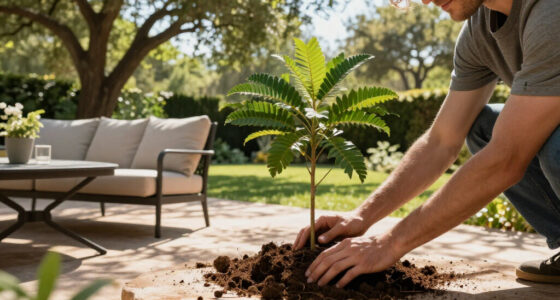
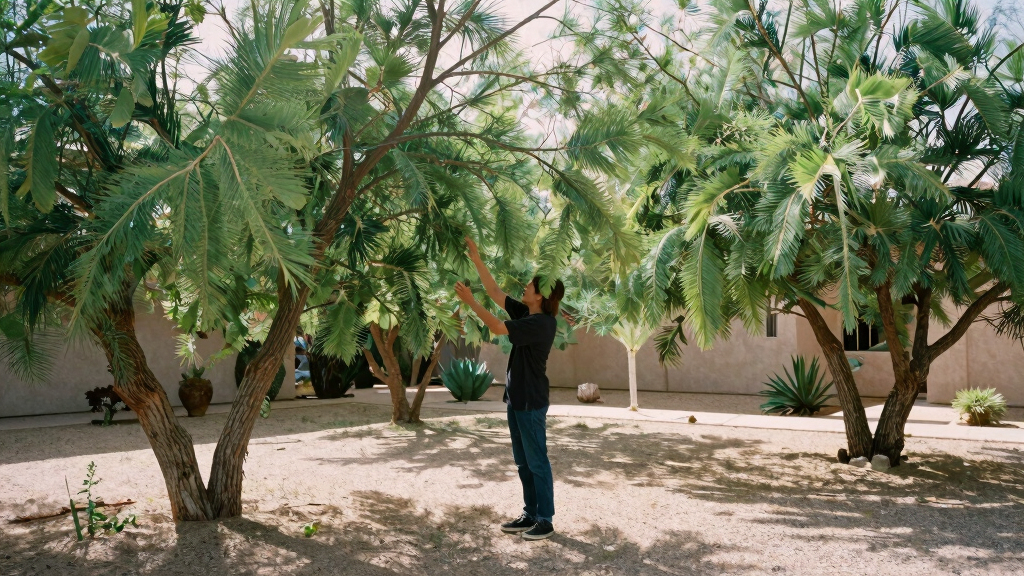
Fern-like foliage forms dense shade while deep roots and nitrogen fixation improve difficult soil.
Ironwood
A dense rounded crown, gray bark and purple flowers give small yards year-round desert character.
| Decision factor | Palo Verde | Mesquite | Ironwood |
|---|---|---|---|
| Water after establishment | ✓ Once yearly or less | ✓ Twice yearly or less | ✓ Very minimal |
| Growth rate | ✓ Fast | ~ Slow to moderate | ~ Slow |
| Full-shade horizon | 5–8 years | 10–15 years | 15–20 years |
| Small-yard fit | ✓ Smaller cultivars | ✗ Needs generous room | ✓ Strong candidate |
| Cleanup profile | ~ Flowers and fine litter | ✗ Late-summer pods | ~ Leaves and twigs |
Low water does not mean low impact
These trees invest in desert-adapted roots and canopies. The visual comparison below combines relative growth speed with the cooling advantage of mature shade.
Relative growth speed
Relative index for landscape planning—not annual growth measurements.
Plant once. Build resilience for decades.
Cool-season planting and deliberate early watering reduce transplant stress. The goal is not permanently wet soil; it is a broad, deep root system ready for desert conditions.
Choose the site
Deep soil, reliable drainage and enough clearance for mature spread.
Plant in cool weather
Use early spring or late fall so roots settle before extreme heat.
Dig wide
Set the root flare correctly and avoid creating a narrow amended pocket.
Water deeply
Support the first one to two years, widening the watering zone over time.
Mulch safely
Cover soil to cool roots, but leave a clear ring around the trunk.
Plan for shade—and for the tradeoffs
A sustainable yard should also be practical. Consider cleanup, thorns, utilities, paths and the room each canopy needs before committing.
Mature footprint spectrum
Ironwood works well as a compact focal tree. Smaller Palo Verde cultivars suit many residential yards. Mesquite delivers the broadest shade but should be given substantial clearance from walls, paving and overhead lines.
One tree starts a living system
Connect the canopy to compatible ground layers and smart placement. Each decision reinforces the next, creating a cooler landscape with less evaporation, fewer weeds and more habitat.
What homeowners ask most
Are they safe for kids and pets?
Palo Verde is generally low-risk. Mesquite thorns need attention, so use thornless varieties near play zones. Ironwood may drop small leaves and twigs.
Which tree gives shade fastest?
Palo Verde typically leads, offering meaningful shade in roughly 5–8 years. Mesquite and Ironwood develop their mature canopies more slowly.
Can one fit a small yard?
Ironwood and compact Palo Verde cultivars are the strongest candidates. Mesquite generally needs more room and careful utility clearance.
Why These Trees Are Perfect for Your Desert Yard
Native trees like Palo Verde, Mesquite, and Ironwood are tailor-made for desert life. They tolerate intense heat, sandy soils, and drought, all while offering lush shade that keeps your yard cooler. For example, a mature Palo Verde can provide a dense canopy that drops yard temperatures by 15-20°F—think of it as nature’s air conditioner.
Plus, these trees support local wildlife—pollinators, birds, and beneficial insects love them. They also enrich the soil; mesquites fix nitrogen naturally, improving soil health over time. For a practical yard, they’re the smart, eco-friendly choice.
native desert shade trees for low water yards
As an affiliate, we earn on qualifying purchases.
As an affiliate, we earn on qualifying purchases.
What Makes Each Tree a Low-Water Superstar
All three trees are highly drought-tolerant once established. Palo Verde needs only occasional deep watering after the first year. Mesquite has an extensive root system that taps groundwater, making it virtually self-sufficient. Ironwood is slow-growing but thrives on minimal moisture, even in the hottest months.
Understanding these water needs is crucial because overwatering can damage roots or promote disease, while underwatering can stunt growth or cause stress. For instance, a homeowner in Phoenix reports watering her Palo Verde only twice a year after the initial planting, saving hundreds of gallons of water annually. These trees thrive with very little intervention—perfect for xeriscaping.
| Tree | Water Needs After Establishment | Growth Rate | Mature Height |
|---|---|---|---|
| Palo Verde | Once a year or less | Fast | 20-30 ft |
| Mesquite | Twice a year or less | Slow to Moderate | 30-50 ft |
| Ironwood | Very minimal | Slow | 10-20 ft |
Choosing the right tree depends on your space, growth preferences, and water conservation goals. Each one offers a unique look and shade experience, but understanding their water needs helps prevent over- or under- watering, which can impact their health and longevity.
As an affiliate, we earn on qualifying purchases.
How to Plant and Care for Your Native Desert Trees
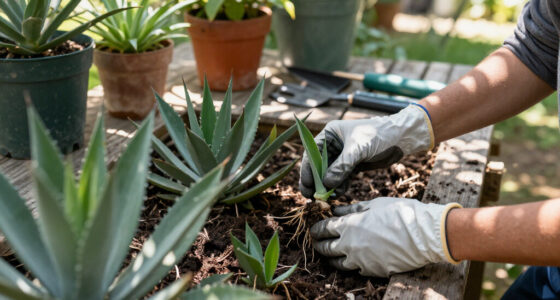
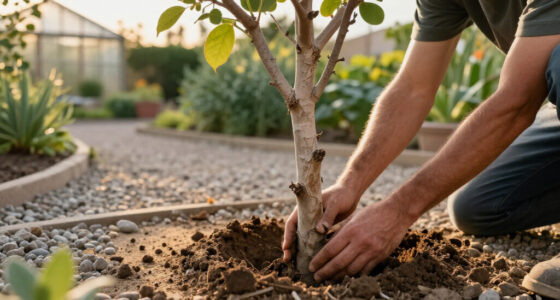
- Pick the right spot: deep soil, good drainage, and plenty of space for growth. Proper planting location ensures roots can expand freely and access groundwater or deep soil moisture, which is vital for their drought tolerance.
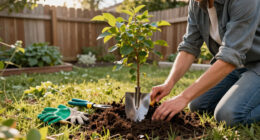
- Plant during the cooler months—early spring or late fall—to reduce stress and allow roots to establish before the hottest weather arrives.
- Water deeply and infrequently, focusing on the first 1-2 years to establish roots. Consistent watering during this period helps prevent transplant shock and encourages deep root growth, which is essential for drought resilience.
- Mulch around the base to retain moisture and keep roots cool, but avoid piling mulch against the trunk to prevent rot.
- Watch for pests or diseases, but these trees are generally tough. Regular inspection helps catch issues early, ensuring healthy growth and longevity.
For example, a homeowner in Tucson successfully established a Mesquite by digging a wide hole, adding compost, and watering deeply every couple of weeks during the first year. Proper initial care not only promotes healthy establishment but also reduces long-term maintenance needs, allowing the tree to thrive with minimal intervention.
As an affiliate, we earn on qualifying purchases.
The Downsides You Should Know Before Planting
All trees shed leaves or pods—sometimes messier than expected. Mesquite pods fall in late summer, creating a carpet that needs raking or sweeping. Ironwood drops leaves year-round, which can be a cleaning task. Understanding the implications of leaf and pod shedding helps you plan for cleanup and maintenance, ensuring your yard remains tidy and functional.
Thorns are another concern, especially with mesquites. Thornless varieties exist, but check before planting. In tight spaces, Ironwood’s slow growth and smaller size make it a better fit. Recognizing these potential messes allows you to select the right species and varieties for your specific yard conditions, balancing aesthetic preferences with maintenance capacity.
For instance, a neighbor with a small backyard found Mesquite pods an annual nuisance—yet loves the shade too much to remove the tree. Knowing about shedding and thorns beforehand helps homeowners decide whether these tradeoffs are acceptable within their landscape design and maintenance routine.
As an affiliate, we earn on qualifying purchases.
Best Tips for Integrating These Trees into Your Xeriscape
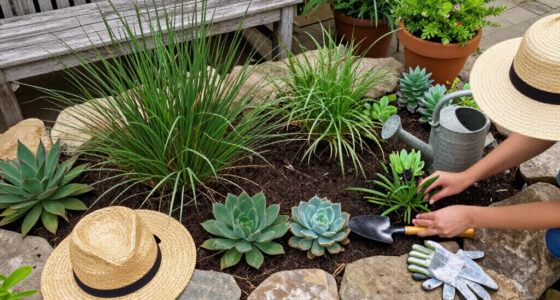
- Combine with drought-tolerant shrubs and succulents for a layered look. This creates visual interest and maximizes water efficiency by layering plants with similar water needs.
- Use rocks and mulch to cover bare soil, reducing evaporation and insulating roots against extreme temperatures. This also helps suppress weeds, further conserving water and effort.
- Place trees where they’ll provide shade at peak heat times—south or west sides of your yard—to maximize cooling benefits and comfort.
- Think about mature size—avoid planting under power lines or in narrow spaces—to prevent future conflicts and ensure healthy growth. Proper planning at the outset can prevent costly pruning or relocation later.
For example, a homeowner in Chandler used Ironwood as a focal point, surrounded by low-water succulents and gravel. The strategic placement of the tree provides shade during the hottest part of the day, reducing cooling costs and creating a lush, cool oasis that drinks very little water. Thoughtful integration maximizes both aesthetic appeal and water conservation.
Frequently Asked Questions
Are these trees safe for kids and pets?
Palo Verde is generally safe; it’s non-toxic and has no thorns. Mesquite can have thorns that pose a risk—look for thornless varieties or prune regularly. Ironwood is safe but can drop small leaves and twigs that kids might pick up. Always supervise around any tree with potential hazards.
How long does it take for these trees to provide full shade?
It varies. Palo Verde can offer significant shade within 5-8 years. Mesquite takes longer—around 10-15 years—to develop a dense canopy. Ironwood is slow-growing, taking 15-20 years for full shade. Patience pays off with these slow but steady growers.
Can I plant these trees in small yards or containers?
Ironwood and smaller Palo Verde cultivars work well in limited spaces or containers. Mesquite generally needs more room due to its size and root system. For small yards, opt for dwarf or semi-dwarf varieties, and ensure proper drainage and root space.
Are these trees invasive outside their native range?
In their native desert Southwest, these trees are well-adjusted and not invasive. However, some mesquite species can spread aggressively if seed dispersal isn’t managed. Plant them responsibly and avoid spreading seed pods into wild areas.
Conclusion
Native trees like Palo Verde, Mesquite, and Ironwood aren’t just desert survivors—they’re desert champions. Their resilience, shade, and ecological support make them the backbone of any water-wise landscape. Plant wisely, care smartly, and enjoy a cooler, greener yard that thrives with less water.
Imagine your yard at sunset, the branches casting long shadows over native grasses—living proof that desert gardening can be both beautiful and sustainable. Your low-desert oasis starts here.
Halloween Picks
halloween
As an affiliate, we earn on qualifying purchases.