TL;DR
Open a free Amazon Business account
Business pricing, bulk buying and tax-exempt orders.
Create a free accountAs an affiliate, we earn on qualifying purchases.
Xeriscape reduces water use through smart plant choices and design, not by eliminating all plants. It can cut outdoor water bills by up to 75%, supporting a lush, sustainable garden in dry climates.
Imagine a garden that stays lush and colorful, yet drinks far less water. That’s the promise of xeriscape — a landscape style often misunderstood as zero-scape. It’s not about turning your yard into a stone desert but about smart, water-wise choices that respect your climate and your budget.
In this guide, you’ll learn what xeriscaping truly involves, how it differs from just removing plants, and practical steps to make your yard both beautiful and sustainable. Ready to rethink your outdoor space? Let’s dive in.
Xeriscape is about smart design and plant choices, not about removing all greenery.
Using native and drought-resistant plants can slash water use by up to 75%.
Efficient irrigation and mulching are essential to keep water in the soil where plants can use it.
Xeriscapes can be as colorful and varied as traditional gardens — even in hot, dry climates.
Long-term savings on water and maintenance often outweigh initial setup costs.
Xeriscape Is Not Zero-Scape
Low-water landscaping does not eliminate life. It matches resilient plants, healthy soil, efficient irrigation and thoughtful design to the realities of a dry climate—creating a garden that stays colorful while drinking far less.
What xeriscape actually means
Born from water-conscious landscape thinking in Colorado in the 1980s, xeriscape is a complete design philosophy. Each principle supports the others; plants alone cannot compensate for poor soil, wasteful irrigation or an unsuitable layout.
Plan first
Map sun, shade, wind, slopes, drainage and existing vegetation before choosing a planting palette.
Improve the soil
Balance moisture retention and drainage so roots can use water efficiently instead of fighting saturation or runoff.
Choose for place
Favor native and climate-adapted species whose mature size, habit and seasonal rhythm suit the site.
Group by thirst
Place plants with similar water needs together to prevent overwatering one zone to satisfy another.
Irrigate precisely
Drip lines, soaker hoses and weather-aware timers send water toward roots with less evaporation.
Cover the soil
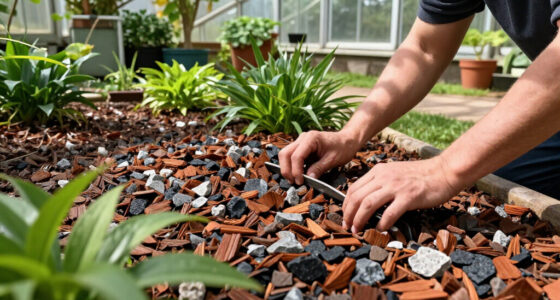
Bark, gravel or mineral mulch reduces moisture loss, moderates temperature and suppresses weeds.
Zero-scape removes. Xeriscape redesigns.
The names sound similar, but the outcomes are fundamentally different. One prioritizes hard surfaces; the other builds a living landscape around water efficiency.
| Design question | Zero-scape | Xeriscape |
|---|---|---|
| Primary approach | ✗Remove plants and cover ground | ✓Design plants, soil and irrigation as one system |
| Typical materials | ~Rock, gravel, concrete and paving | ✓Native plants, mulch, permeable paths and targeted hardscape |
| Visual character | ✗Mostly bare, static and mineral | ✓Layered, colorful, fragrant and seasonally varied |
| Wildlife value | ✗Limited food, shelter and nesting space | ✓Habitat for native pollinators, insects and birds |
| Heat response | ✗Large stone surfaces may retain and radiate heat | ✓Can combine shade, foliage and cooler planted zones |
A five-step water-wise design flow
Follow the sequence: conditions shape the plant list, the plant list shapes the zones, and the zones determine how water and mulch should be applied.
Assess
Record sun, wind, soil, slopes, drainage and existing plants.
Choose
Find native or adapted plants suited to each microclimate.
Hydrozone
Group plants by water need, exposure and mature size.
Irrigate
Send measured water directly to roots at efficient times.
Mulch
Slow evaporation, stabilize soil and suppress competition.
A smaller water budget, not a smaller imagination
Savings vary by region, climate and implementation. The strongest results come from combining suitable plants with efficient delivery, mulch and reduced lawn—not from relying on any single intervention.
Relative outdoor water demand
Illustrative comparison using a conventional lawn as the 100% baseline.
Build color in layers
Verify every species against local climate, soil and invasive-plant guidance.
One design decision creates a chain of benefits
A well-matched plant is only the beginning. Its roots, water needs and ecological role connect directly to maintenance, resilience and long-term cost.
Conservation can still look abundant.
Xeriscape succeeds when beauty and water efficiency are treated as the same design problem. Upfront planning may require investment and local research, but water and maintenance savings can outweigh conversion costs over time.
What is Xeriscape? Not Just Drought-Tolerant Plants
Xeriscape is a water-saving landscaping philosophy that combines plant choices, design, and irrigation to cut water use without sacrificing beauty. It’s about selecting native or drought-resistant plants that thrive with minimal watering, like lavender, junipers, or succulents.
For example, a xeriscape garden might include a cluster of agave, a splash of desert marigolds, and a few cacti, all thriving with just 25% of the water a traditional lawn would require.
It’s not about stripping your yard bare of plants; it’s about choosing the right plants for your soil, sun, and wind conditions. This approach helps your garden stay healthy and vibrant even during long droughts.
Understanding why plant selection matters is crucial. Drought-resistant plants have adapted to survive with less water, meaning they’re less likely to wilt, die, or require constant maintenance. This resilience reduces the need for frequent watering, fertilizers, and pest control, which in turn lowers your overall garden upkeep and environmental impact. However, it’s also important to recognize that choosing the wrong plants for your specific climate can lead to poor growth or plant failure, potentially increasing your costs and effort. The tradeoff lies in carefully matching plants to your local conditions to maximize their drought-tolerance and aesthetic appeal.
drought-resistant native plants for xeriscaping
As an affiliate, we earn on qualifying purchases.
As an affiliate, we earn on qualifying purchases.
Zero-Scape vs. Xeriscape: What’s the Real Difference?
| Zero-Scape | Xeriscape |
|---|---|
| Focuses on removing plants, using rocks, concrete, or gravel | Uses strategic plants, design, and irrigation to reduce water use |
| Creates a mostly-hardscape yard | Includes greenery that’s drought-tolerant and vibrant |
| Often looks like a desert or stone yard | Can be lush, colorful, and inviting |
water-efficient drip irrigation system
As an affiliate, we earn on qualifying purchases.
As an affiliate, we earn on qualifying purchases.
How to Design a Water-Wise Garden Step-by-Step
- Assess your site: Note sun exposure, soil type, wind, and existing plants. Recognizing these factors is essential because they influence which plants will thrive and how much water they will need. For instance, clay soils retain moisture but may require improved drainage, while sandy soils drain quickly and may need more frequent watering. Understanding microclimates around your yard helps tailor your design for maximum efficiency and beauty.
- Choose native, drought-tolerant plants: Think sage, junipers, succulents, and desert marigolds. These plants have evolved to survive in specific climates, making them more resilient and less demanding in water and care. Selecting the right plants means considering their mature size, growth habits, and seasonal interest—so your garden remains attractive year-round without excessive watering.
- Plan your layout: Group plants with similar water needs together to prevent over- or under-watering. This strategic grouping minimizes irrigation waste and ensures each plant receives the appropriate moisture level. Proper placement also considers sun exposure and wind patterns, which can affect water evaporation and plant health. Thoughtful design here reduces maintenance and enhances visual harmony.
- Install efficient irrigation: Use drip systems or soaker hoses, controlled by smart timers. These systems deliver water directly to the roots, reducing waste and evaporation. Smart timers allow you to schedule watering based on weather conditions, further conserving water and preventing overwatering—crucial for maintaining plant health and saving costs.
- Apply mulch: Cover soil with gravel, bark, or rock to retain moisture and suppress weeds. Mulching stabilizes soil temperature, reduces evaporation, and decreases weed competition, all of which contribute to less frequent watering and lower maintenance. The choice of mulch material can also enhance the aesthetic appeal of your landscape, creating a cohesive, natural look.
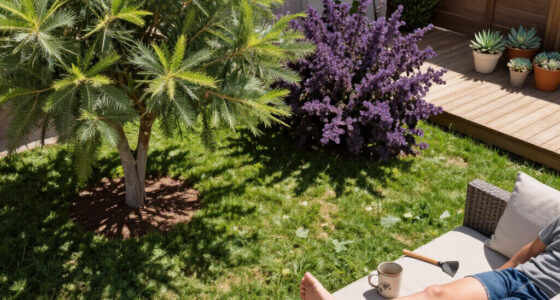
For example, a homeowner in Phoenix might plant a cluster of agave under a shade tree, irrigated with drip lines, and covered with gravel mulch. That garden stays green with a fraction of the water a lawn would need. Recognizing how each step interacts helps you create a sustainable, low-maintenance landscape that adapts to your specific environment and lifestyle.
As an affiliate, we earn on qualifying purchases.
What Plants Work Best for a Xeriscape Garden?
Choosing the right plants is key. Native species are often best because they’re adapted to your climate and soil. Expect to see:
- Sage and lavender for fragrance and color
- Junipers and succulents for structure and drought resistance
- Ornamental grasses like blue grama or fountain grass
For example, a garden in Southern Arizona might feature desert marigold, red yucca, and black dalea, all thriving with minimal water and adding vibrant pops of color. These plants are not only well-suited to the environment but also contribute to a balanced ecosystem by providing habitat and food for native pollinators. Their deep-rooting systems help prevent soil erosion and improve water absorption, making your landscape more resilient over time. The tradeoff is that choosing non-native or unsuitable plants can lead to higher water needs, pest problems, and increased maintenance, which undermines the benefits of xeriscaping. Therefore, regional adaptation is crucial for maximizing water savings and ecological harmony.
colorful low-water landscape plants
As an affiliate, we earn on qualifying purchases.
As an affiliate, we earn on qualifying purchases.
Is Xeriscaping Eco-Friendly? Absolutely.
Xeriscaping supports local ecosystems by reducing water runoff, chemical use, and energy consumption. It helps conserve a precious resource — water — and provides habitat for native insects and birds. By choosing native plants, you’re encouraging biodiversity and helping restore natural balances that have been disrupted by urbanization and invasive species.
For instance, a xeriscaped yard in California’s drought-prone areas attracts native pollinators, offering food and shelter without excessive watering or chemical fertilizers. This not only benefits local wildlife but also reduces the need for supplemental feeding or pest control measures, which can have broader environmental impacts.
Plus, less lawn means fewer mowers, less noise, and cleaner air. It’s a smart, ecological win. The tradeoff is that some native plants may require specific soil amendments or microclimate adjustments to thrive, which could involve initial investment or learning curve. However, these are small prices for long-term ecological and water conservation benefits.
What’s the Cost? Is It Worth It?
Initial costs vary. You might spend more upfront on drought-tolerant plants, soil amendments, and efficient irrigation. But long-term savings are significant because these investments reduce ongoing water and maintenance expenses. The tradeoff is that some high-quality native plants or advanced irrigation systems may require a larger initial outlay, which can be a barrier for some homeowners. However, these costs often pay for themselves within a few years through lower water bills and less lawn care, fertilizers, and pesticides. Additionally, the reduced need for frequent watering and chemical treatments contributes positively to your local environment by decreasing runoff pollution and energy use. Recognizing these long-term benefits helps justify the initial investment, especially for those committed to sustainability and cost savings over time.
Can My Yard Be Colorful and Vibrant?
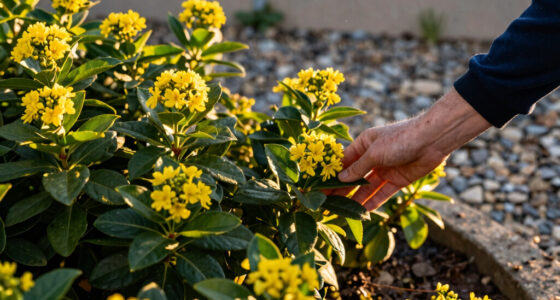
Yes! You can have a lively, diverse landscape that thrives with minimal water. Think bright yellow desert marigolds, deep purple salvia, or fiery red yucca. These plants bloom at different times, filling your yard with color across seasons, creating a dynamic visual experience that changes throughout the year. Incorporating a variety of textures—such as spiky succulents, soft grasses, and flowering perennials—adds depth and interest, making your yard inviting and engaging. Strategically placing plants with contrasting colors and forms enhances visual appeal while maintaining water efficiency. Recognizing that vibrant xeriscapes are achievable, even in arid climates, helps dispel the misconception that sustainable gardens must be dull or monotonous. The key is thoughtful plant selection and placement, which can produce a stunning, lively landscape that conserves water without sacrificing aesthetic quality.
Your Big Question: Is Xeriscape Right for You?
If you’re in a dry climate, want to cut water bills, and crave a garden that’s easy to maintain, xeriscape is a smart fit. It’s adaptable, scalable, and can be tailored to your style and needs. However, it’s important to consider your specific conditions—soil type, sun exposure, and your willingness to invest time in planning and maintenance. For example, if you prefer a lush, green lawn and frequent watering, xeriscaping might not meet your aesthetic or lifestyle goals. Conversely, if you’re looking for a sustainable, low-maintenance landscape that reduces your environmental impact, then xeriscaping could be an excellent choice. Ultimately, it’s about balancing your personal preferences with the environmental and economic benefits, making sure the approach aligns with your values and circumstances.
Frequently Asked Questions
Can xeriscaping work in cold climates?
Yes, but plant choices must be adapted for colder temperatures. Select native or hardy drought-tolerant plants suited to your zone to get the best results.How much can I really save on water bills?
Depending on your current yard, xeriscaping can cut outdoor water use by 50-75%. That often translates into hundreds of dollars saved annually, especially in arid regions.Will xeriscaping make my yard look dull?
Not at all. With careful plant selection and thoughtful design, xeriscapes can be vibrant, colorful, and full of texture — just with less water and fuss.Is it hard to maintain a xeriscape yard?
Maintenance is usually lower than traditional lawns. Regular watering, pruning, and mulching keep your yard healthy with minimal effort.Conclusion
A smart xeriscape isn’t a barren yard—it’s a lush, resilient landscape that saves water and looks great. Think of it as a garden that respects your climate, your wallet, and your desire for beauty.
Start small: choose a few native plants, install drip irrigation, and mulch generously. Before you know it, your yard will be a lively, water-wise oasis—proof that less water doesn’t mean less life.
Back to school Picks
back to school
As an affiliate, we earn on qualifying purchases.