
TL;DR

Get garden gear delivered free with Prime
- Fast, free delivery on millions of items
- Prime Video, Amazon Music and more included
- Member-only deals all year
A native flowering vine related to hydrangeas is gaining recognition among gardeners. It offers aesthetic appeal and ecological advantages, but remains underutilized. Experts suggest more gardeners should consider planting it.
A native flowering vine related to hydrangeas is experiencing increased interest among gardeners, who are recognizing its beauty and ecological benefits. This overlooked plant offers an alternative to traditional garden vines and is gaining attention in horticultural circles.
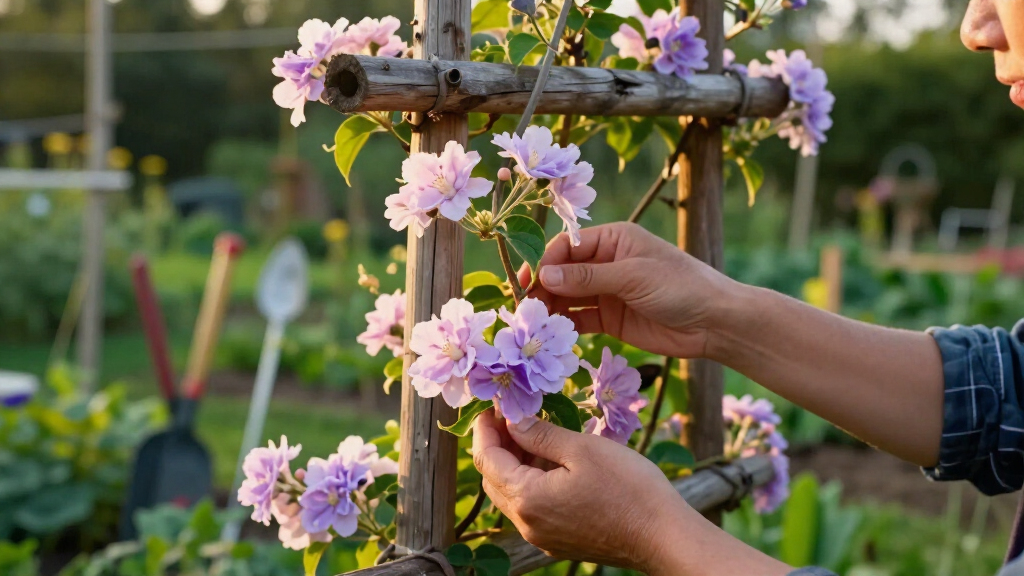
The plant in focus is a native flowering vine, often referred to as a hydrangea cousin, which produces clusters of attractive flowers and can thrive in various garden conditions. It is less commonly cultivated than other native vines but is now being promoted for its ornamental and ecological value.
Horticulturists and native plant advocates cite its ease of growth, low maintenance, and ability to support local pollinators as key advantages. Recent garden shows and plant sales indicate a growing trend among gardeners to incorporate this vine into their landscapes.
According to plant expert Dr. Susan Miller, ‘This vine not only adds visual interest but also supports native bees and butterflies, making it a valuable addition for ecological gardening.’
Why This Native Vine Could Transform Local Gardens
Increasing the use of this native flowering vine could enhance biodiversity and reduce reliance on non-native plants. Its adaptability and ecological benefits make it a sustainable choice for gardeners looking to support local ecosystems.
Moreover, its rising popularity signals a shift toward native plant gardening, which is increasingly recognized for its environmental impact and low maintenance needs. If adopted widely, it could help restore native plant populations and provide habitat for pollinators.
Popular right now

Samsung 42-Inch Class OLED S90F 4K Smart TV (2025)

Dyson Ball Animal Total Clean Upright Vacuum

Apple AirPods Pro 3 Wireless Earbuds with Active Noise Cancellation
As an affiliate, we earn on qualifying purchases.
Historical and Current Trends in Native Plant Gardening
Native plant gardening has gained momentum over the past decade, driven by concerns over invasive species and environmental sustainability. While many gardeners focus on native trees and perennials, native vines have received less attention.
This particular vine, related to hydrangeas, has historically been overlooked despite its attractive flowers and ecological role. Recent research and gardening initiatives have begun to highlight its potential, leading to increased interest among horticulturists and conservationists.
Recent plant sales and garden tours have featured this vine, marking a shift in gardening preferences toward more sustainable and native options.
“This vine offers a beautiful display and supports native pollinators, making it a win-win for gardeners and the environment.”
— Dr. Susan Miller, horticulturist
What Details About Its Cultivation and Range Remain Unclear
It is not yet clear how widespread the cultivation of this vine currently is or how adaptable it is to different climate zones. There is also limited data on its long-term growth performance in various garden settings, and whether it requires specific soil or light conditions.
Further research is needed to determine its full ecological impact and how best to promote its use among diverse gardening communities.
Future Steps for Promoting This Native Vine in Gardens
Experts and native plant organizations plan to conduct more field trials and educational campaigns to encourage planting this vine. Garden centers and nurseries are beginning to stock it more widely, and horticultural societies are promoting its benefits.
In the coming months, there may be more regional plant guides and garden programs highlighting this species, aiming to increase its adoption among both amateur and professional gardeners.
Key Questions
What is this native flowering vine related to hydrangeas?
The vine is a native species that shares a botanical relationship with hydrangeas, known for its clusters of attractive flowers and adaptability to garden conditions.
Why should gardeners consider planting this vine?
It offers aesthetic appeal, supports native pollinators, and is easy to grow with low maintenance, making it a sustainable addition to gardens.
Is this vine suitable for all climate zones?
Its adaptability to different zones is still being studied, and more data is needed to confirm its performance across various regions.
Where can gardeners find this vine for planting?
It is beginning to be available at select nurseries and garden centers, especially those specializing in native plants. Gardeners are encouraged to seek local sources and native plant sales.
What are the ecological benefits of planting this vine?
It provides food and habitat for native pollinators like bees and butterflies, aiding local biodiversity and ecosystem health.
Source: rss