
TL;DR

Get garden gear delivered free with Prime
- Fast, free delivery on millions of items
- Prime Video, Amazon Music and more included
- Member-only deals all year
Homes & Gardens recommends five October tasks to help lavender face winter: avoid heavy pruning, improve drainage, reduce watering, protect vulnerable potted plants and skip fertilizer. The right approach depends on the lavender variety, local winter conditions and whether it is planted in the ground or a container.
Homes & Gardens has outlined five October care steps for gardeners preparing lavender for winter: avoid heavy pruning, check drainage, cut back on watering, protect pots from freezing weather and skip fall fertilizer. The advice matters most where winters bring freezing temperatures, though the right precautions vary by lavender variety, local climate and growing conditions.
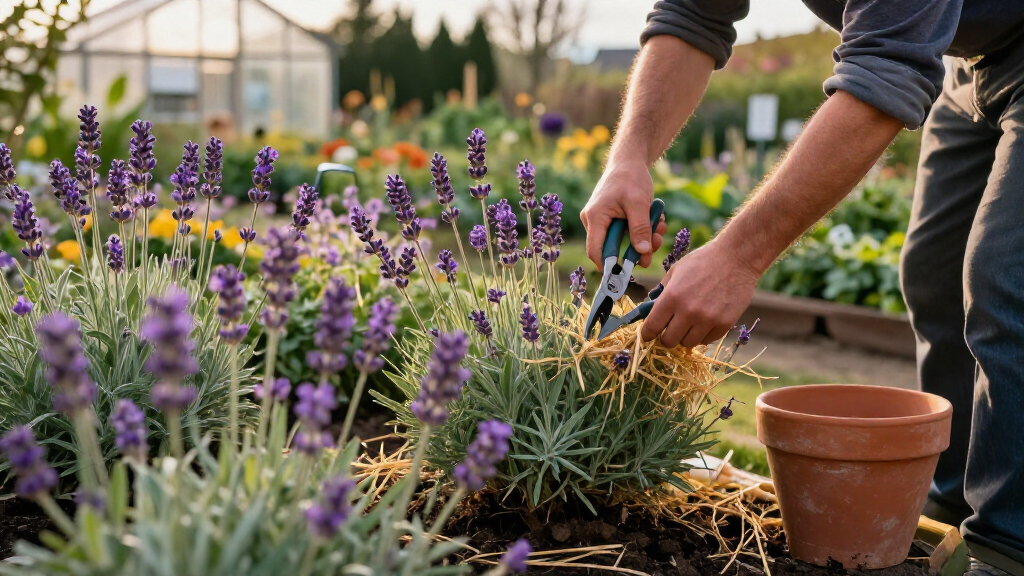
The report says gardeners should generally avoid another major trim if they pruned lavender after flowering in late summer. Removing remaining spent flower stems with clean, sharp shears can tidy a plant, but cutting into old woody stems may prevent regrowth. Late heavy pruning can also prompt tender growth that is vulnerable to frost. If a plant is leggy or overgrown, the report advises waiting until spring to assess its shape; in colder regions, it recommends avoiding fall pruning.
Drainage and moisture control are central to the other care steps. Lavender needs well-drained soil, and roots left in wet ground during winter may rot. The report suggests considering a raised bed or container where garden soil is heavy or becomes waterlogged, and says suitable soil can be amended with horticultural grit. Established plants in the ground are drought-tolerant and usually need little extra water in fall unless conditions are unusually dry.
Potted plants need closer checks because their compost can dry faster, but gardeners are advised to check the soil before watering and direct water to the soil rather than foliage. The report also recommends planning where pots will sit during cold weather. A sheltered, sunny position can offer some protection from rain and wind; less cold-hardy French and Spanish lavender may need a frost-free location. Finally, established lavender generally grows in low-nutrient soil, so the report says October is not the time to fertilize and encourage fresh growth.
Protecting Lavender From Winter Wet
These tasks address two risks highlighted in the report: cold exposure and excess moisture. Wet soil can harm roots, while late pruning or fertilizer may encourage growth that is poorly timed for approaching frost. Container plants warrant particular attention because their roots have less insulation than plants in the ground.
For gardeners, the guidance is also a reminder that lavender care is not one-size-fits-all. Checking a plant’s variety and local hardiness needs can help determine whether it can remain outdoors, needs a more sheltered position or should be moved to a frost-free space. The source presents these steps as seasonal gardening advice, not a guarantee that a plant will survive every winter or bloom the following year.
Popular right now

KitchenAid Artisan Series 5-Quart Tilt-Head Stand Mixer, Dried Rose (KSM150PS)

Dyson Ball Animal 2 Plus Corded Vacuum

Vitamix Propel Series 750 Professional-Grade Blender, 4 Programs, Black
As an affiliate, we earn on qualifying purchases.
October Care Before Frost
The Homes & Gardens report frames October as a preparation period, particularly for places with freezing winters. It describes lavender as a sun-loving plant that attracts pollinators and can grow in pots, garden borders or landscaping. Its recommendations focus on avoiding conditions that can stress plants as temperatures cool and fall rain arrives.
The report also distinguishes between lavender types. It says hardy English lavender, or Lavandula angustifolia, can often stay outdoors if its variety suits the climate and the soil drains well. French and Spanish types are described as generally less cold-hardy. The article does not give a single temperature threshold for moving plants, so gardeners are directed to check the plant label for specific hardiness information.
““Lavender thrives when its roots can breathe, so good drainage is especially important as temperatures drop and fall rain arrives.””
— Rachel Bull, Head of Gardens at Homes & Gardens
Local Frost Risks Vary
The source does not specify a universal minimum temperature for leaving each variety outdoors, nor does it provide location-specific instructions. Cold tolerance varies by variety and climate, so a plant label or locally relevant gardening advice may be needed to decide when to move or insulate a pot. The report also does not promise that following the five steps will guarantee winter survival or a particular amount of spring bloom.
It advises keeping moisture away from the plant’s crown when adding protection, but does not prescribe one insulation method for every container or region. Gardeners with waterlogged soil, unusually dry fall weather or severe freezes will need to judge conditions at their own site.
Monitor Conditions as Winter Nears
As temperatures fall, gardeners can check soil moisture and drainage, remove only remaining spent flower stems if needed, and reposition containers before freezing weather arrives. Potted plants should be placed according to their variety’s cold tolerance, with any insulation kept breathable and away from moisture-sensitive plant crowns.
In spring, the report advises assessing plants for winter damage before shaping them. That gives gardeners a chance to distinguish healthy growth from damaged stems and make pruning decisions after the coldest weather has passed.
Key Questions
Should I prune lavender in October?
Avoid heavy pruning in October, according to Homes & Gardens. You can remove remaining spent flower stems, but do not cut into woody stems; wait until spring to assess an overgrown plant.
How often should I water lavender in fall?
Established lavender planted in the ground usually needs little extra water in fall unless conditions are unusually dry. For pots, check the compost before watering, since containers can dry more quickly.
Can potted lavender stay outside over winter?
Some hardy English lavender can often remain outdoors if the variety suits the climate and the soil drains well. The report says French and Spanish lavender are generally less cold-hardy and may need a frost-free, protected place; check the plant label for specific guidance.
Should I fertilize lavender in October?
The report recommends skipping fertilizer in October. Established lavender generally grows well in relatively low-nutrient soil, and fall feeding may encourage new growth before winter.
Source: homesandgardens.com