
TL;DR
Play games included with Prime
Start a Prime free trial and play with Amazon Luna on your devices.
Start playingAs an affiliate, we earn on qualifying purchases.
Rotating containers between two window spots lets you control light and warmth, extending your garden’s life and yield. This simple plan adapts to seasonal shifts, making your gardening easier and more productive.
Imagine turning your windows into a mini greenhouse and a shaded retreat for your plants, all without losing space or effort. That’s the power of a two-window placement plan for your containers. It’s a smart, simple way to keep your plants thriving through scorching summers and chilly winters.
This guide shows you how to rotate your containers seasonally, using just two key spots—one sunny window and one shaded—or sheltered window. You’ll learn how to maximize light, protect from cold snaps, and keep your garden productive all year long. If you’re tired of plants struggling or ending their season early, this plan makes every inch of your space work harder.
Use two main spots—sunny and shaded—to rotate your containers with the seasons.
Plan your rotation schedule around the sun’s path and local climate, adjusting as needed.
Select plants that are suited for container life and seasonal shifts, like herbs and hardy vegetables.
Add insulation or shade during extreme weather to keep plants thriving.
Regularly monitor and tweak your plan for best results, especially during sudden cold or heat waves.
Why a Two-Window Plan Turns Your Garden Into a Year-Round Powerhouse
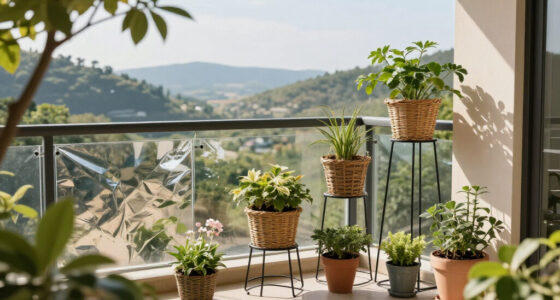
Deciding where to place your containers during different seasons is a game-changer. The two-window plan simplifies this by focusing on just two spots—one with maximum sun, one with shade or protection. This setup helps you control how much light and warmth your plants get, based on the season.
For example, in summer, you rotate containers to the sunny window to soak up as much heat and light as possible. Come winter, you move them to a sheltered window or inside, where they’re shielded from frost. This way, your plants stay healthier longer and yield more.
Gardener AZ found that this method can extend the productive season by up to 50% in desert climates—saving water, effort, and frustration.
Understanding why this works is crucial. Plants need specific conditions to thrive, and light and temperature are two of the most vital factors. By controlling these microclimates, you reduce stress on your plants, which can otherwise lead to stunted growth, disease, or early death. The tradeoff, however, is that you need to be attentive to your plants’ responses and ready to adjust your schedule, since microclimates can vary even within a small space.
As an affiliate, we earn on qualifying purchases.
How to Set Up Your Two-Window Rotation System in 3 Simple Steps
- Identify Your Windows: Pick one window that gets full sun most of the day—south-facing if possible—and one that offers shade or shelter, like an east or west window or a sheltered porch spot. Consider the microclimate of each spot, including how much wind or cold they typically experience, to decide which is best for each season.
- Plan Your Rotation Schedule: During spring and summer, keep containers in the sunny window to maximize growth. As fall approaches, start moving them to the shaded or sheltered spot to protect from early cold. In winter, bring them inside or into a protected window to prevent frost damage. This schedule isn’t rigid; observe your plants and adjust based on their health and the weather forecast.
- Adjust as Needed: Always watch your plants closely. If they appear stressed—such as yellowing leaves, wilting, or stunted growth—modify your plan. For instance, if a plant isn’t getting enough light, give it more sun; if it’s suffering from cold damage, increase shelter. Flexibility ensures your plants’ long-term health and productivity.
For example, keeping tomato containers in a south-facing window from March to September allows ample sunlight for fruiting. Moving them to an east window in October provides some shade and protection, and bringing them inside by November shields them from frost, giving you a longer harvest window.
plant insulation covers for winter
As an affiliate, we earn on qualifying purchases.
As an affiliate, we earn on qualifying purchases.
Best Plants for Seasonal Container Rotation and Placement
Some plants thrive with this rotation system because their growth cycles are closely tied to light and temperature. Vegetables like tomatoes, peppers, and herbs such as basil or oregano love the sun in summer but need protection in winter to survive cold snaps. Understanding their needs helps you optimize placement for maximum yield and longevity.
Perennials like lavender or rosemary are more hardy but still benefit from seasonal moves, especially in climates with frost. Moving them to sheltered spots during winter reduces stress and prolongs their lifespan. Some annual flowers, like marigolds or petunias, can be rotated to maintain vibrant color throughout the year if moved appropriately, taking advantage of microclimates to extend their blooming period.
For example, a basil plant in a container can sit in a south window during summer to flourish, then be moved to a shaded porch in fall to prevent overheating, and finally indoors before frost, ensuring continuous growth and harvest.
The key is understanding each plant’s tolerance levels and growth habits, which allows you to plan rotations that maximize their health and productivity while minimizing stress and damage from extreme conditions.
As an affiliate, we earn on qualifying purchases.
Light and Temperature Tricks to Keep Your Plants Happy Year-Round
In desert zones, light and temperature swings are harsh, making microclimate control essential. Your goal: maximize sun exposure during the hottest parts of the day and shield plants during cold or excessively hot conditions. The two-window plan enables precise adjustments to these variables, allowing your plants to thrive despite environmental extremes.
During summer, opening your south-facing window or porch to intense sunlight boosts growth, but be mindful of overheating. Using shade cloths or positioning containers slightly away from direct sun during peak hours can prevent root stress. In winter, moving containers to a sheltered window or indoors reduces frost risk, but also helps stabilize temperature fluctuations.
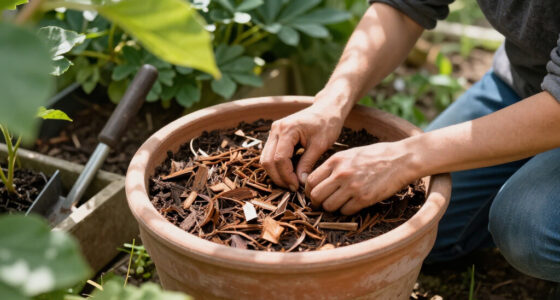
Adding insulation, such as mulch or bubble wrap around pots, minimizes root heat loss during cold nights, which is vital for sensitive plants like citrus or tropical herbs. For example, a small citrus tree in a container can be outside during late spring and summer, then moved inside or into a garage during freezing nights to prevent frostbite. These simple insulation tricks can make a significant difference in plant survival and growth.
As an affiliate, we earn on qualifying purchases.
How to Protect Your Plants During Cold Snaps or Heat Waves
Extreme weather can threaten your plants unexpectedly. When a cold snap is forecast, quickly move your containers inside or into a sheltered window to prevent frost damage. During heatwaves, shift plants to shaded areas or use shade cloths to avoid scorching and root dehydration.
For instance, a potted pepper plant in full sun will struggle if temperatures plummet below freezing. Moving it to a protected window or indoors can save it from frostbite, while on a hot day, relocating it to a shaded porch reduces heat stress. These rapid adjustments are crucial for maintaining plant health and productivity during sudden weather swings.
Additionally, consider setting up a backup plan—such as keeping a few lightweight frost blankets or shade cloths handy—to cover plants quickly if weather conditions change unexpectedly. This proactive approach minimizes damage and keeps your container garden resilient year-round.
Keeping Your Container Garden Healthy All Year, No Matter the Season
Maintaining plant health through seasonal changes requires more than just moving containers. Consistent watering, feeding, and pruning are essential. During moves, adjust watering routines because containers dry out faster in heat and retain moisture longer in cooler weather. Overwatering or underwatering can stress plants, so observe and respond accordingly.
Use organic fertilizers tailored to each season—more nitrogen in spring to promote lush growth, balanced fertilizers in summer, and phosphorus in fall to prepare for dormancy. Pruning dead or leggy growth not only keeps plants looking tidy but also encourages healthy new growth, which is especially important when plants are subjected to changing microclimates. For example, a basil plant will need more frequent watering in summer, but in fall, reduce watering and fertilize with compost to prepare it for indoor life, reducing stress and promoting longevity.
Compare Your Options: Moving Plants Indoors or Sheltering Outside
| Option | Pros | Cons |
|---|---|---|
| Moving indoors | Protection from frost, consistent warmth, extended season | Limited space, light needs, potential pests inside |
| Sheltering outside (porch, shaded spot) | Better airflow, less indoor clutter, easier access | Still vulnerable to cold snaps or heat extremes |
Conclusion
Think of your container garden as a living puzzle—each move, each shift, builds a longer, healthier growing season. The two-window plan simplifies this by focusing your effort where it counts.
Next time you see a sunny window and a shaded one, imagine how they could be your garden’s best allies—working together to keep your plants happy, productive, and resilient, no matter what season it is.
NFL season / tailgating Picks
team gear
As an affiliate, we earn on qualifying purchases.