
TL;DR

Get garden gear delivered free — and shop member deals
- Fast, free delivery on millions of items
- Access to Prime Big Deal Days deals on October 6–7
- Prime Video, Amazon Music and more included
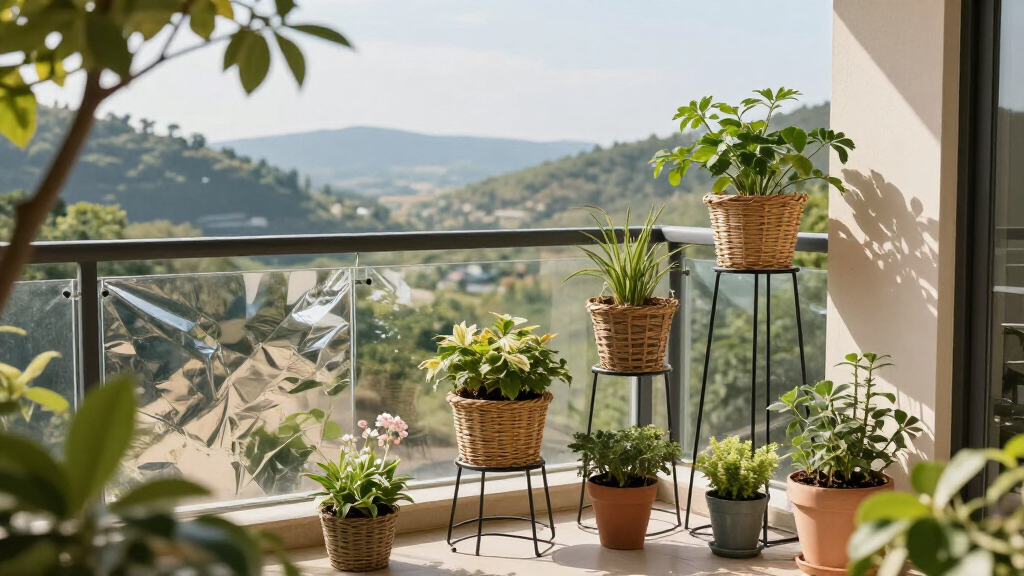
Valley balcony gardens must contend with strong winds, heat reflected from surrounding surfaces, and strict weight limits. Using lightweight containers, windbreaks, and heat-tolerant plants turns these challenges into opportunities for a lush, sustainable garden.
Use lightweight containers and soil mixes to stay within weight limits.
Install windbreaks and strategic barriers to protect plants from gusts.
Position shade and reflective barriers to combat heat buildup.
Choose drought- and wind-resistant plants suited for high heat and exposure.
Regularly check your balcony’s structural capacity, especially after watering or adding new planters.
How to Keep Your Balcony from Whipping Plants to Death
Wind in valley settings can turn a gentle breeze into a relentless gust that damages leaves, tips over pots, or dries out soil faster than you can water. The key is to create a barrier—something that breaks the wind’s rush and keeps your plants standing tall. Using trellises, tall plants, or even hanging screens can act like a shield.
For example, planting a row of tall, sturdy grasses like fountain grass or pampas grass along the edge can slow down the wind. Installing a mesh windbreak made of lightweight fabric or bamboo also works wonders. Position these barriers carefully—never block sunlight entirely, but enough to soften the blow.
Choosing wind-tolerant plants, like succulents, hardy herbs (rosemary, thyme), or drought-resistant bushes, helps too. They’re built to handle the breeze and won’t be knocked flat. Regularly check for signs of wind damage—torn leaves, leaning plants—and adjust your barriers accordingly.
Understanding why wind protection matters is crucial: excessive wind can cause physical damage, desiccate plants, and even destabilize entire containers. The tradeoff is balancing windbreak effectiveness with sunlight access and airflow; too much barrier can create damp, stagnant conditions that promote mold or root rot. Effective wind management enhances plant health and longevity, making your garden more resilient to the unpredictable valley weather.
As an affiliate, we earn on qualifying purchases.
Why Reflected Heat Turns Your Balcony Into a Sauna (And How to Cool It Down)
Reflected heat is a sneaky foe. Surfaces like concrete, glass, and metal bounce sunlight straight onto your plants, raising temperatures well beyond ambient outdoor heat. Imagine a metal table baking in the sun, radiating warmth onto nearby pots—plants wilt faster, and delicate leaves scorch.
To fight back, position shade structures like umbrellas, shade cloths, or even tall plants to block reflective surfaces. Use reflective barriers—white or light-colored panels—behind containers to bounce heat away instead of trapping it. For instance, a bright white shade cloth can reduce surface temperatures by 10-15°F, giving your plants a breather.
Choosing heat-tolerant species—like succulents, oregano, or lavender—that handle high temps is essential because these plants have adapted to survive in environments where reflected heat can cause rapid dehydration or heat stress. Additionally, watering early in the day helps soil retain moisture, providing a cooling effect and reducing the risk of heat-related stress. Recognizing the implications of reflected heat underscores the importance of proactive measures—without addressing this, plants can quickly become stressed, leading to poor growth, disease susceptibility, and even death. Employing effective shading and selecting resilient plants can make the difference between a thriving balcony garden and a scorched patch of soil.
As an affiliate, we earn on qualifying purchases.
How Much Weight Can Your Balcony Handle Without Cracking Up?
Balconies are like delicate balancing acts—they can only hold so much weight before risking damage. Typically, residential balconies support between 50 to 100 pounds per square foot, but it’s crucial to check your building’s specific limits before loading up. Ignoring these limits can lead to structural failure, which is dangerous and costly to repair. Overloading can cause cracking, sagging, or even collapse, especially when combined with additional factors like water weight and soil compaction.
Heavy containers, water, soil, and plants add up fast. For example, a 20-inch diameter ceramic pot filled with soil can weigh over 50 pounds alone. Water adds even more—about 8.3 pounds per gallon—so planning for total weight is essential. Underestimating these loads can lead to catastrophic failure, so understanding the implications of exceeding weight limits is vital for safety and longevity.
Smart choices include using lightweight soil mixes—such as coconut coir or perlite blends—and fabric containers that are sturdy but light. Regularly assess the total weight, especially after watering or adding new plants. If unsure, consult a structural engineer or your building’s management to avoid surprises. Recognizing the tradeoffs—such as using lighter materials that may be less durable—helps you make informed decisions that balance safety with your gardening ambitions.
reflective heat barrier for plants
As an affiliate, we earn on qualifying purchases.
As an affiliate, we earn on qualifying purchases.
Latest Tools and Materials That Make Valley Balcony Gardening Easier
Staying ahead means using the right gear. Lightweight, durable planters made from resin or composite materials cut down on weight. Modular systems allow you to customize without overloading. For instance, fabric pots are not only light but also promote good drainage and aeration.
Automated watering systems with moisture sensors prevent overwatering—saving water and reducing weight from excess water pooling in the soil. Reflective coatings or shade sails can lower surface temperatures significantly. Some gardeners even install small reinforcement brackets to beef up balcony support for heavier setups.
These innovations turn what was once a fragile balancing act into a manageable, even fun, gardening project. The key is to blend lightweight materials with smart design and tech-savvy watering. Understanding the advantages and limitations of these tools ensures you create a sustainable, safe balcony garden in the valley environment.
As an affiliate, we earn on qualifying purchases.
Your Action Plan for a Safe, Sunny Balcony Garden
- Assess your balcony’s weight capacity—ask management or check structural specs.
- Choose lightweight containers and soil—coconut coir, perlite, fabric pots.
- Install windbreaks—bamboo screens, tall plants, or mesh panels.
- Position shade devices and reflective barriers to reduce heat stress.
- Select hardy, wind- and heat-tolerant plants—succulents, herbs, native species.
- Water early, mulch heavily, and monitor plant health regularly.
Frequently Asked Questions
How do I protect my plants from strong valley winds?
Use windbreaks like mesh screens or tall plants. Position them strategically to shield smaller plants. Regularly prune or stake taller plants to keep them upright during gusty days.
What are the best plants for a hot, reflective balcony?
Opt for succulents, drought-tolerant herbs like rosemary and thyme, and native desert plants. These species are naturally adapted to high heat, wind, and reflected sunlight.
How can I avoid overloading my balcony with containers?
Choose lightweight planters and soil mixes. Limit the number of large, heavy pots, and avoid watering excessively—use moisture sensors to manage watering efficiently.
What shading options work best for reducing reflected heat?
Shade sails, umbrellas, or tall, leafy plants can block direct sunlight. Reflective barriers behind containers also help bounce heat away, keeping temperatures down.
Should I consult a professional about my balcony’s weight capacity?
Yes. Always check your building’s specifications or ask a structural engineer if you’re planning heavy setups. It’s better to be safe than risk damage or safety hazards.
Conclusion
Your valley balcony can become a lush retreat—if you respect its wind, heat, and weight limits. Think of it like tuning an instrument: small adjustments make all the difference. With the right setup, your garden will flourish, standing tall against the quirks of valley life.Halloween Picks
halloween
As an affiliate, we earn on qualifying purchases.