TL;DR

Get garden gear delivered free — and shop member deals
- Fast, free delivery on millions of items
- Access to Prime Big Deal Days deals on October 6–7
- Prime Video, Amazon Music and more included
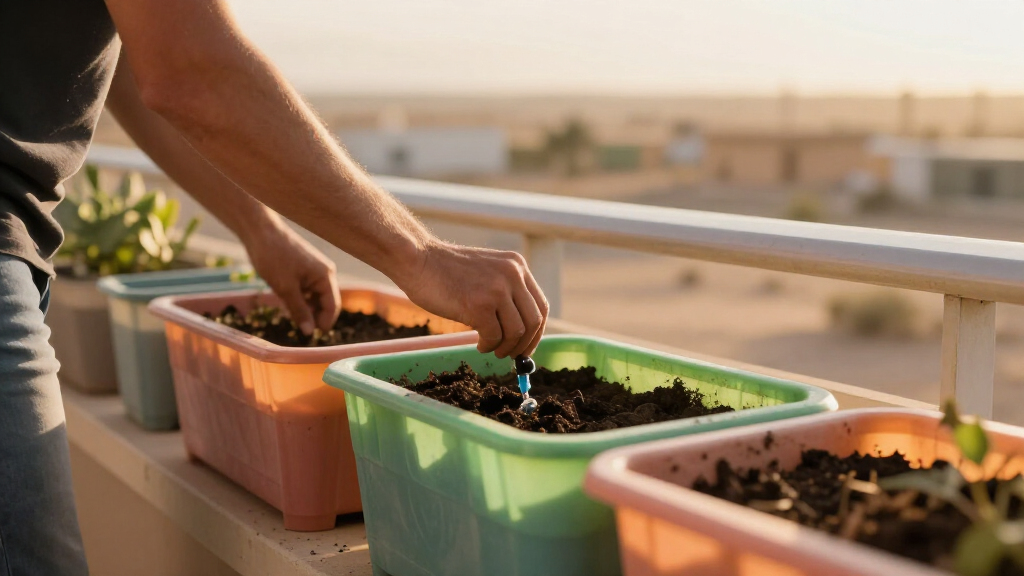
Sub-irrigated planters from storage totes cut water use by up to 50%, keep plants consistently moist, and are perfect for small desert balconies. They’re a cost-effective, DIY solution for water-wise gardening in arid climates.
Building self-watering planters from storage totes is cost-effective and saves up to 50% of water in desert climates.
A simple wick system ensures plants stay consistently moist with minimal daily effort.
Choose drought-tolerant plants like herbs and succulents for best results.
Use UV-resistant, insulated totes to withstand hot, harsh conditions and extend system longevity.
Regularly monitor water levels and cover water surfaces to prevent mosquitoes and evaporation.
Sub-Irrigated Planters From Storage Totes
Turn an 18–30 gallon storage tote into a passive, self-watering planter that sends moisture directly to the root zone. The result: less runoff, steadier soil moisture and a balcony garden built to endure arid heat.
One tote. Three working layers.
A covered reservoir sits beneath the planting mix. A wick bridges the two zones, pulling water upward through capillary action as the soil dries. Shade and insulation protect the system from heat.
Choose the shell
Use a sturdy food-grade, BPA-free tote. UV-resistant plastic, opaque walls and a secure lid extend service life in direct desert sun.
Install the wick
Thread clean cotton or synthetic wicking material through a small opening so it touches both the reservoir and planting mix.
Seal and insulate
Cover exposed water with a lid or mesh. Add reflective wrap, foam or shade to reduce evaporation and moderate root temperature.
The reservoir responds to demand.
Capillary action moves water through the wick into the growing medium. The soil behaves like a buffer: it absorbs moisture, supports root uptake and reduces the wet-dry swings common with surface watering.
Why it works
Water adheres to wick fibers and moves upward into drier planting mix.
Moisture reaches the active root zone without spraying foliage or paving.
The growing medium moderates supply instead of flooding plants all at once.
A covered, insulated reservoir limits evaporation, algae and heat gain.
Tune the planter to the balcony.
Exposure changes everything. Direct afternoon sun heats the reservoir, wind accelerates plant water loss and shade extends refill intervals. Observe first, then adjust one variable at a time.
Reflect + shade
Wrap the reservoir with reflective or foam insulation, add mulch and protect the tote from the strongest late-day radiation.
Anchor + shelter
Secure the tote, group containers and use a wind-permeable screen. Check moisture demand more often after gusty days.
Monitor + extend
Shaded reservoirs stay cooler and may need fewer refills. Avoid compensating with oversized wicks that keep soil too wet.
| Plant group | System fit | Moisture strategy | Desert note |
|---|---|---|---|
| Mediterranean herbs | ✓ Strong | Moderate wick; airy soil | Rosemary, thyme and oregano prefer drainage. |
| Peppers | ✓ Strong | Steady reservoir supply | Shade fruit during severe afternoon heat. |
| Small greens | ~ Seasonal | Even moisture; partial shade | Best in cooler months or protected exposure. |
| Succulents | ~ Selective | Small wick; gritty mix | Prevent constant saturation around roots. |
| Water-hungry crops | ✗ Limited | Larger reservoir required | Demand may exceed a compact balcony system. |
Follow every drop.
The system is a short, visible chain. When plants struggle, trace the route from stored water to root response and inspect each connection before changing the whole design.
Stores water below the sun-exposed soil surface.
Creates continuous contact between water and mix.
Moves moisture toward the drier planting zone.
Plants draw water and nutrients as needed.
Shade, mulch and insulation slow water loss.
Every refill
- Confirm the reservoir is accepting water normally.
- Check leaves and soil before increasing supply.
- Look for leaks, tipping or heat-warped plastic.
- Keep the fill point securely covered.
Every few weeks
- Inspect the wick for algae, mold or obstruction.
- Clean unsealed reservoirs and refresh stagnant water.
- Verify mesh and lids exclude mosquitoes.
- Review insulation, mulch depth and anchoring.
A reported Phoenix example reduced herb watering to roughly twice weekly. Treat this as a useful field reference—not a fixed schedule. Heat, wind, crop maturity and reservoir size determine the real interval.
Before you start drilling.
The build is forgiving, but container safety, drainage, pest exclusion and plant choice deserve attention from day one.
Can vegetables grow in a tote system?
Yes. Peppers, herbs and compact greens are practical choices. Match reservoir size and wick capacity to mature plant demand.
How often should the reservoir be refilled?
Peak summer conditions may require checks every two to three days. Shade and cooler seasons can extend that interval substantially.
Are all storage totes plant-safe?
Choose food-grade, BPA-free plastic. For exposed balconies, favor opaque, UV-resistant construction and replace brittle or damaged totes.
How are mosquitoes prevented?
Seal the reservoir with a fitted lid or fine mesh. Eliminate exposed standing water and clean any unsealed system regularly.
Will the planter survive a desert summer?
It can last several seasons when the tote is UV-resistant, insulated, shaded and inspected regularly. The most vulnerable points are exposed plastic, stagnant water, clogged wicks and unsecured containers.
How to Turn a Storage Tote into a Self-Watering Paradise
Sub-irrigated planters from storage totes are a game-changer for desert balcony gardeners. They’re simple to assemble, using a few common materials. The core idea? A water reservoir feeds moisture through a wick directly into the soil, maintaining consistent moisture levels that are vital for plant health in dry conditions. This system minimizes water waste by delivering moisture only when plants need it, reducing runoff and evaporation. The design also allows for better control over watering schedules, which is crucial in arid climates where over- or under-watering can quickly damage plants. However, tradeoffs include the need for regular maintenance to prevent clogging or algae build-up, and the importance of insulating the water reservoir to prevent rapid evaporation in the sun. Understanding these nuances helps gardeners optimize their setup for longevity and plant health.
Start with a sturdy, food-grade plastic tote—about 18-30 gallons works well for most balcony plants. Cut an opening in the lid or side for planting, then drill a small hole near the bottom for the wick. Fill the tote with water, insert your wick, and plant your chosen greenery above. Cover the water surface with a mesh or lid to prevent mosquitoes and evaporation. The size and placement of the opening influence how easily you can access your plants and water, so consider your routine and space constraints when designing your system. Insulating the water reservoir with reflective or foam materials will help keep roots cooler and reduce water loss, especially during the hottest months. This thoughtful construction ensures your system is both effective and durable in the challenging desert environment.
self-watering storage tote planters
As an affiliate, we earn on qualifying purchases.
As an affiliate, we earn on qualifying purchases.
Why These DIY Planters Save Water and Reduce Maintenance
In desert settings, every drop counts, and traditional watering methods often lead to wasteful runoff and evaporation. Sub-irrigated planters from storage totes significantly reduce water use—up to 50%—because they deliver moisture directly to the roots, where plants need it most. This targeted approach prevents overwatering, which can drown roots and promote fungal diseases, and under-watering, which stresses plants. The wick system acts as a passive timer, releasing water only as plants draw it, thus aligning watering with actual needs and reducing the frequency of refills. This means less time spent lugging watering cans or setting timers, freeing you to enjoy your garden more. Additionally, maintaining steady soil moisture enhances root development, leading to healthier, more resilient plants. The tradeoff is that you must ensure the wick remains unobstructed and free of mold or algae, which requires periodic inspection. Overall, this system embodies a balance between water conservation and plant vitality, making it an ideal choice for water-scarce environments.
For example, a gardener in Phoenix reports watering her herbs only twice a week using this method, saving her hours and gallons of water each month. Such efficiency not only conserves resources but also reduces the physical and mental effort involved in maintaining a thriving garden amid the extreme desert heat. Recognizing these benefits underscores why investing a little time in setup pays off in the long run, especially when water is precious and maintenance time is limited.
As an affiliate, we earn on qualifying purchases.
Understanding the Science Behind Self-Watering Systems
To truly optimize your desert balcony garden, it’s helpful to understand how self-watering systems work on a scientific level. These systems leverage capillary action, where water moves naturally through the wick from the reservoir into the soil. This process ensures a steady supply of moisture, preventing the extremes of drought stress or waterlogging. The soil acts as a buffer, regulating moisture levels based on the plant’s needs, much like a natural sponge. In dry environments, this consistent moisture availability fosters healthy root growth, improves nutrient uptake, and reduces plant stress. Moreover, insulating the water reservoir with reflective materials or foam minimizes evaporation, keeping water available longer. Understanding these principles helps gardeners troubleshoot issues—like blockages or algae—and fine-tune their systems for maximum efficiency and plant health in the harsh desert climate.
UV-resistant plastic storage totes for gardening
As an affiliate, we earn on qualifying purchases.
As an affiliate, we earn on qualifying purchases.
Applying Your DIY Planter in Different Desert Conditions
Not all desert environments are the same. Some areas experience intense heat, high winds, or limited shade, which can influence how you set up and maintain your self-watering planters. For hot, windy sites, consider adding shade covers or positioning your totes in shaded spots to reduce evaporation. If your balcony faces direct afternoon sun, insulating the water reservoir or using reflective materials can help keep water cooler and extend watering intervals. For areas with high wind, anchoring your totes securely prevents tipping or drying out too quickly. Adjusting the size of the water reservoir or the placement of the wick can also help tailor the system to your specific microclimate. The key is observing your plants’ responses and making incremental adjustments—like adding mulch or shade—to optimize water retention and plant health in your unique desert setting.
As an affiliate, we earn on qualifying purchases.
Frequently Asked Questions
Can I grow vegetables in these tote planters?
Yes, but stick to drought-tolerant vegetables like peppers, herbs, and small greens. Avoid moisture-loving crops that need constant water—these systems work best with hardy, water-wise plants.How often do I need to refill the water reservoir?
During hot summer days, every 2-3 days might be necessary. Cooler seasons or shaded spots extend that interval. Keep an eye on water levels—it’s the key to healthy plants.Are storage totes safe for plants?
Use food-grade, BPA-free totes to prevent chemicals leaching into soil. Make sure the plastic is UV-resistant if exposed to direct sunlight for long periods.How do I avoid mosquito breeding?
Cover the water surface with mesh or a lid, and change the water every couple of weeks if not sealed. Regular maintenance keeps pests at bay and prevents mosquito larvae from developing in stagnant water.Will these systems last through the desert summer?
With UV-resistant plastic, insulation, and strategic shading, they can last several seasons. Regular checks and some shading help maximize lifespan and plant health, ensuring your system remains functional and effective in harsh conditions.Conclusion
A DIY sub-irrigated tote is a game-changer for desert balcony gardening. It’s a simple way to grow more with less water—saving you time, effort, and resources. Imagine your small balcony bursting with lush herbs and native plants, all thriving in the dry heat, thanks to a few easy DIY tweaks.Fall yard work Picks
leaf blowers
As an affiliate, we earn on qualifying purchases.