TL;DR
Gopher wire is a highly effective barrier to protect raised beds from burrowing gophers in Arizona. Whether you need it hinges on local gopher activity, but installing durable mesh during construction offers long-term peace of mind.
If gophers are active in your yard, your garden’s future might depend on whether you install gopher wire beneath your raised beds. These underground pests can cause chaos—gnawing on roots, tunneling through soil, and collapsing your carefully built beds. Knowing if you need gopher wire and how to install it can save your plants and your patience.
Arizona’s dry, sandy soils make it easy for gophers to burrow and thrive. Many gardeners in the desert Southwest swear by gopher wire—yet others find success without it. This guide will walk you through when and why gopher wire matters, what to look for, and how to do it right. Ready to keep gophers from turning your raised bed into Swiss cheese? Let’s go.
Gopher wire with 1/4-inch to 1/2-inch mesh effectively blocks burrowing gophers when properly installed.
Installing gopher wire during bed construction is easier and more reliable than retrofitting later.
Durable galvanized or stainless steel mesh lasts 10-20 years in Arizona’s soil, making it a cost-effective long-term investment.
Physical barriers are more reliable than deterrents or natural repellents—don’t skip them if gophers are active nearby.
Proper securing of the wire along all edges prevents gophers from slipping in or lifting the barrier.
Arizona raised-bed field guide
Do Raised Beds Need Gopher Wire in Arizona?
If gophers are active nearby, the answer is yes. A properly secured metal barrier protects roots, prevents soil collapse, and is far easier to install while the bed is being built than after damage begins.
Decision guide
Does your bed actually need it?
Not every Arizona yard has the same risk. Look for soil mounds, plugged tunnel openings, disappearing plants, severed roots, or nearby gopher activity before deciding.
Active tunnels or recent damage
Fresh fan-shaped mounds, collapsing soil, or plants pulled from below indicate an existing underground route to the bed.
Sandy soil and nearby activity
Arizona’s loose desert soils make excavation easier. Even if your bed is untouched today, nearby burrows raise the future risk.
No evidence over several seasons
You may choose to skip the mesh, but monitor the yard. Retrofitting later means removing soil and rebuilding the bed’s base.
Five-step installation
Build a continuous underground defense
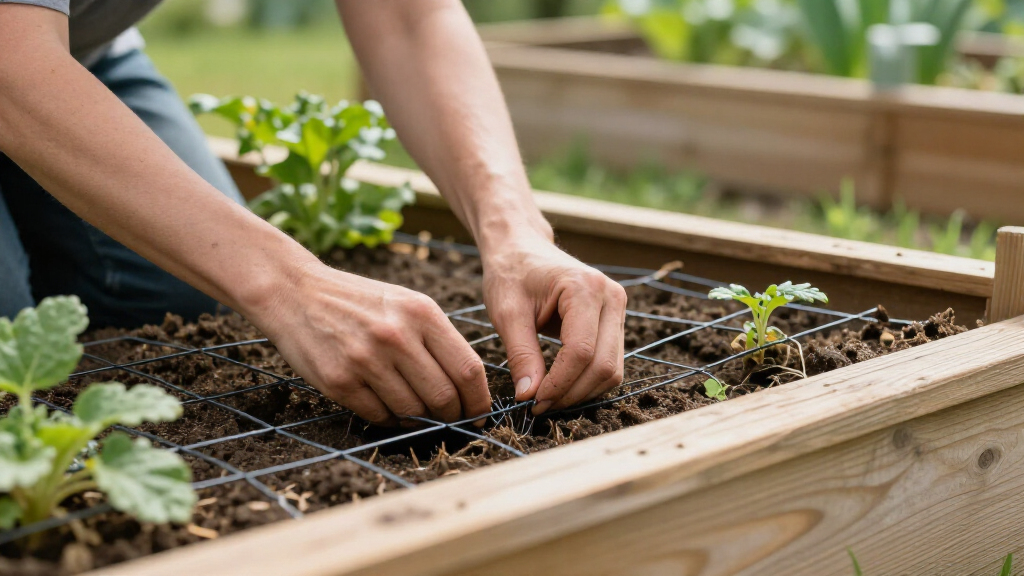
The wire is only as effective as its weakest seam. Level the site, cover the entire footprint, overlap joins, and secure every edge before adding soil.
Prepare
Level the footprint and remove sharp rocks or debris that could distort the mesh.
Measure
Cut enough wire to cover the bottom and extend several inches beyond each edge.
Overlap
Overlap separate sheets generously so no open seam becomes an entry route.
Secure
Fasten the mesh to the bed frame or pin it firmly with landscape staples.
Seal
Add soil carefully, keeping corners flat and all edges covered and immobile.
Loose edges and unfastened overlaps allow gophers to lift or slip around the barrier. Secure the perimeter before filling the bed; the weight of soil should reinforce the installation, not conceal gaps.
Material selection
Choose mesh built for the ground
Proper hardware cloth or purpose-made gopher mesh combines small openings with enough strength to resist burrowing and chewing. Chicken wire is not an equivalent substitute.
| Option | Gopher protection | Durability | Verdict |
|---|---|---|---|
| ¼-inch galvanized mesh | ✓ Excellent | 10–20 years* | ✓ Recommended |
| ½-inch galvanized mesh | ✓ Strong | 10–20 years* | ✓ Recommended |
| Stainless steel mesh | ✓ Excellent | Potentially longer | ✓ Premium choice |
| Chicken wire | ✗ Weak | Lower | ✗ Avoid |
| Repellents alone | ~ Variable | Repeat applications | ~ Supplement only |
The essential five
What protects the bed long-term
The goal is not simply to place wire beneath the soil. The goal is to create a durable, gap-free boundary that remains intact through watering, planting, and seasonal maintenance.
Use ¼-inch to ½-inch mesh so water and nutrients pass while gophers remain blocked.
Install during construction whenever possible; retrofitting requires moving soil and exposes more failure points.
Choose galvanized or stainless steel for underground durability in demanding Arizona conditions.
Treat repellents, resistant plants, and traps as supporting tactics—not equal replacements for a barrier.
Fasten every edge and overlap every join; gaps can render otherwise excellent mesh ineffective.
Traceability chain
From Arizona soil to a protected harvest
The logic is straightforward: local conditions increase access, access threatens roots, and a continuous physical layer breaks that chain before damage reaches the crop.
Common questions
Before you fill the bed
A few practical choices—mesh size, timing, and fastening—make the difference between a durable installation and a barrier with hidden entry points.
Can wire be added later?
Yes, but the soil must usually be removed or lifted so the entire base can be covered and secured. Construction-time installation is simpler and more reliable.
Will small mesh stop drainage?
No. Recommended ¼-inch to ½-inch openings allow water, air, and nutrients to move while preventing a gopher from entering the bed.
Are natural options enough?
Lavender, sage, castor-oil products, habitat changes, and humane traps may reduce pressure, but their results vary and require ongoing attention.
Can the mesh be reused?
Often, yes. If the wire remains intact, corrosion-free, and undistorted, it may be reused when a bed is rebuilt or relocated.
Bottom line
If gophers are present—or active close enough to reach your garden—install durable gopher wire beneath the raised bed. The up-front effort is modest compared with rebuilding a damaged bed, replacing mature plants, or excavating soil for a retrofit. If no activity exists, monitoring is reasonable, but prevention during construction remains the lowest-effort opportunity.
Why Gopher Wire Is a Must-Have for Arizona Gardens
Gopher wire acts like an underground fortress—preventing gophers from tunneling into your beds and munching on your veggies and flowers. In Arizona, where gophers are common due to sandy soils and warm climate, this barrier can save you from losing months of effort.
Imagine planting a lush tomato bed, only to find it half-eaten after a gopher’s midnight feast. Properly installed gopher wire keeps those critters out, shielding roots and preventing soil collapse. Without it, even the most diligent gardener risks losing plants to underground damage.
For example, a gardener in Tucson reported that after installing 1/4-inch galvanized mesh beneath her raised beds, her plants thrived while neighbors struggled with gopher damage. That’s the power of a good barrier.

HIHADUUM 16'' x 20' Hardware Cloth 1/4 inch 23 Gauge, Hot-dip Galvanized After Welding, Chicken Coop Wire Fence Wire Mesh Screen, Rabbit/Snake Fences, Netting Wire Cloth Galvanized Wire Mesh Roll
- Size: 16×20 inches, 1/4 inch wire, 23 gauge
- Galvanized Coating: Hot-dip galvanized for rust resistance
- Durability: Double zinc coating for long outdoor life
As an affiliate, we earn on qualifying purchases.
As an affiliate, we earn on qualifying purchases.
What Size Mesh Works Best to Block Gophers?
Gopher wire with a 1/4-inch to 1/2-inch mesh size is your best bet—big enough to let water and roots through, small enough to block gophers. A typical gopher’s tunnel entrance is about 1-2 inches wide, so anything bigger lets them slip in.
When I built my raised beds last spring, I chose 1/4-inch galvanized steel mesh. It’s sturdy, rust-resistant, and keeps gophers out without sacrificing drainage. Plus, it’s flexible enough to fit along curved beds or corners.
Some folks mistakenly use chicken wire, but that’s too flimsy—gophers chew through it easily. Invest in proper hardware cloth or gopher mesh for peace of mind.
Choosing the right mesh size is crucial because it directly influences your garden’s safety. Too large, and gophers will find their way in; too small, and water drainage or root growth might be hindered. The 1/4-inch mesh strikes a good balance, but always consider your specific gopher activity and soil conditions when selecting mesh size.

Nueve Deer Hardware Cloth 1/4 inch Mesh 48" x 100' 23-Gauge
- Mesh Size: 1/4 inch square openings
- Dimensions: 48 inches x 100 feet
- Material: High-quality galvanized steel wire
As an affiliate, we earn on qualifying purchases.
As an affiliate, we earn on qualifying purchases.
How to Install Gopher Wire During Bed Construction
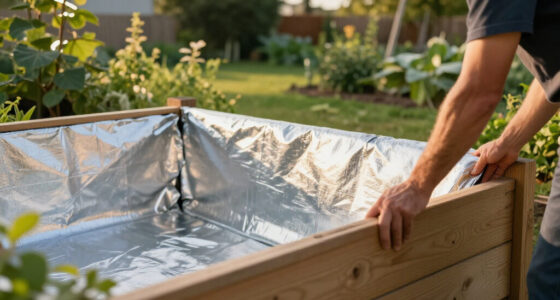
- Dig or prepare your bed site, making sure it’s level and clear of debris.
- Lay down a layer of landscape fabric or a similar weed barrier if desired, then place the gopher wire on the bottom of the bed area.
- Unroll the mesh, ensuring it extends a few inches beyond the edges of the bed’s perimeter.
- Secure the wire with landscape staples or heavy rocks along the edges to prevent gophers from lifting or slipping underneath.
- Fill the bed with soil, ensuring it covers the wire’s edges and seals the barrier in place.
Installing gopher wire during the initial construction of your raised bed ensures the barrier is continuous and effective from the start. This approach minimizes gaps or weak points that gophers could exploit, providing peace of mind and reducing future labor. Properly sealing the edges and overlapping sections also prevents gophers from lifting or slipping under the mesh, which is a common failure point when retrofitting later.
My neighbor in Phoenix installed her wire during the initial build—she says it was easier than retrofitting later. Proper installation is the key to keeping gophers out long-term.

AMAGABELI GARDEN & HOME Hardware Cloth SS304 Stainless Steel 36inchx50ft 1/2 inch 18 Gauge Chicken Wire Fencing Welded Wire Mesh Fence Roll Poultry Netting Bird Cage Coop Rodent Proof Gopher Rabbit
- Material: 18 gauge stainless steel welded mesh
- Dimensions: 36 inch x 50 ft roll
- Mesh Size: 1/2 inch x 1/2 inch
As an affiliate, we earn on qualifying purchases.
As an affiliate, we earn on qualifying purchases.
Can You Skip Gopher Wire If You Use Other Methods?
Yes, but it’s a gamble. Natural repellents, traps, or planting strategies like gopher-resistant plants help, but none are as reliable as a physical barrier. Gophers are clever burrowers and often find ways around deterrents.
For example, some gardeners try castor oil or planting gopher-repellent plants like castor beans. Still, these methods don’t guarantee safety. If gopher activity is high, a sturdy wire barrier remains your best defense.
While natural methods may help reduce gopher activity temporarily, they often don’t address the root of the problem—gophers tunneling beneath your beds. Without a physical barrier, gophers can simply dig around or through these deterrents, rendering them ineffective. Relying solely on natural or trap-based methods can lead to ongoing damage, especially in areas with high gopher populations. Combining these methods with a solid barrier maximizes your chances of success, but if gopher activity is persistent, skipping the wire means risking continued damage and frustration.
In my yard, I used a combination—gopher wire plus natural repellents—and saw the best results. But if gophers are active where you are, skip the risk and install the wire.

12 Pcs Gopher Baskets Plant Root Gopher Wire 1/3 / 5 Gallon Stainless Steel Gophers Moles Voles Mesh Baskets for Garden Tubers Plants Trees Flowers Bulbs Crops
- Available in 3 Sizes: Different sizes for various plants
- Durable Stainless Steel: Rust-resistant and long-lasting material
- Easy to Use: Simple unroll and insert design
As an affiliate, we earn on qualifying purchases.
As an affiliate, we earn on qualifying purchases.
How Long Will Gopher Wire Last in Arizona’s Soil?
Galvanized steel gopher wire can last 10-20 years in Arizona’s soil—resisting rust and underground elements. Stainless steel mesh may last even longer, making it a smart investment for long-term gardens.
One gardener in Scottsdale reports her galvanized mesh from 12 years ago still looks new, despite the harsh soil conditions. Proper installation and avoiding damage during planting help extend the lifespan.
Soil conditions such as acidity, moisture levels, and root growth can accelerate corrosion or cause wear over time, which is why regular inspections are essential. Adjusting your garden practices—like avoiding unnecessary digging or damage—can prolong the barrier’s effectiveness. Recognizing signs of deterioration early allows for timely repairs or replacements, ensuring continuous protection for your plants.
Remember, investing in quality mesh and installing it correctly are the best ways to maximize longevity. With proper care, your gopher barrier can serve your garden for decades, saving you money and effort in the long run.
Are There Eco-Friendly Alternatives to Gopher Wire?
Some gardeners opt for natural repellents or humane traps instead of metal mesh. These options can work but usually require more maintenance and don’t guarantee complete protection.
For instance, castor oil sprays or planting gopher-resistant species like lavender or sage may deter some gophers, but persistent burrowers often find ways around. Traps can catch gophers but don’t prevent new ones from arriving.
In desert gardens, the most eco-friendly approach is a combination—using physical barriers, natural repellents, and habitat modification to reduce gopher activity over time.
While these methods are gentler on the environment, they often involve ongoing effort and may not be as effective in high-activity areas. The tradeoff is between eco-friendliness and reliability; combining methods offers a balanced approach but may still require patience and persistence.
Ultimately, the choice depends on your garden’s scale, gopher pressure, and your commitment to eco-friendly practices. For most serious gardeners, a well-installed gopher wire remains the most dependable long-term solution.
Discussing eco-friendly methods and their effectiveness as alternatives to gopher wire.
Should You Install Gopher Wire After Building Your Bed?
It’s possible, but installing gopher wire during construction makes everything smoother. If you wait, you’ll need to carefully remove soil and secure the mesh without damaging the bed or roots.
One Arizona gardener tried retrofitting her existing bed with wire—she found it tricky but manageable. She recommends planning ahead to avoid extra work later.
If you do retrofit, ensure the wire is tightly secured along all edges and overlaps, leaving no gaps for gophers to exploit. This might mean removing some soil, laying the mesh, and then replacing or compacting the soil carefully to prevent gaps or loose spots.
Retrofitting can be effective but requires patience and precision. It’s best to plan ahead when designing your garden to incorporate gopher barrier installation from the start, saving time and reducing potential gaps that gophers can exploit later.
Frequently Asked Questions
Do I really need gopher wire for my raised beds in Arizona?
If gophers are active in your area, yes. Their tunneling can quickly destroy young plants and undermine your beds. Installing gopher wire is the most reliable way to keep them out.What mesh size should I choose for my gopher wire?
A mesh size of 1/4 inch to 1/2 inch is ideal. It’s small enough to block gophers while allowing water to drain and roots to grow freely.Can I add gopher wire after building my raised bed?
Yes, but it’s easier to install during construction. If retrofitting, carefully secure the wire along all edges to prevent gaps or gaps for gophers to exploit.Are natural repellents or traps enough to keep gophers away?
They can help but aren’t foolproof. For reliable protection, combine deterrents with a sturdy physical barrier like gopher wire, especially if activity is high.How long can I expect my gopher wire to last in Arizona’s soil?
Galvanized steel mesh typically lasts 10-20 years, while stainless steel may last even longer, depending on soil conditions and installation quality.Conclusion
In Arizona’s desert soil, gopher wire is less of an option and more of a necessity if you want peace of mind. It’s a simple, effective shield that protects your plants and saves you from heartbreak.
Remember, a well-installed gopher barrier isn’t just about keeping pests out—it’s about making your garden a place where your plants can thrive without underground interruptions. Picture your next harvest—healthy, flourishing, gopher-free.