
TL;DR

Get garden gear delivered free — and shop member deals
- Fast, free delivery on millions of items
- Access to Prime Big Deal Days deals on October 6–7
- Prime Video, Amazon Music and more included
Tepary beans are incredibly drought-tolerant, needing minimal water and thriving in hot, dry soils. They’re a nutritious, flavor-rich crop suited for desert gardens and climate resilience. Grow them now for a sustainable future.
Imagine a bean that thrives where most struggle—scorching heat, arid soil, and drought. That’s the tepary bean, a desert survivor cultivated by Indigenous peoples for thousands of years. Its ability to produce under extreme conditions makes it a standout for anyone trying to garden sustainably in a hotter, drier world.
Whether you’re a seasoned desert gardener or just curious about climate-smart crops, understanding tepary beans can change how you think about irrigation and resilience. This guide will walk you through everything—planting, growing tips, and why this bean might become your new favorite in the heat.
Tepary beans can produce with less than one inch of water—less than most vegetables need.
Plant in warm, well-drained soil after the last frost; they thrive in full sun and minimal watering.
Choose bush or vining types based on your space; vining types need support but save space.
They’re rich in protein, fiber, and resistant starch—great for blood sugar and overall health.
Growing tepary beans helps build a resilient, sustainable garden in drought-prone areas.
Growing Tepary Beans: The Desert-Adapted Legume Built for Drought
Cultivated by Indigenous peoples of the Sonoran Desert for millennia, Phaseolus acutifolius thrives where most crops fail — scorching heat, arid soil, and almost no irrigation. It can produce a harvest on as little as one inch of water, making it one of the most water-efficient legumes on Earth.
What Makes Tepary Beans Perfect for Drought & Heat?
Every trait of the tepary bean is tuned to escape, avoid, or endure water stress — a living blueprint for gardening in a hotter, drier world.
Deep Taproot
Reaches moisture deep in the soil profile where surface water is scarce or intermittent, cutting reliance on irrigation.
Tiny Pointed Leaflets
Small foliage loses far less water to transpiration, conserving moisture through the hottest parts of the day.
Rapid Maturation
Finishes its life cycle in 60–90 days — escaping drought entirely rather than enduring the worst of it.
Stomatal Regulation
Tightly controls leaf pores to balance carbon intake against water loss during heat waves.
Osmotic Adjustment
Accumulates solutes in cells to hold water internally and keep tissues functioning under drought stress.
Heat-Proof Flowering
Sets blossoms and pods above 100°F — temperatures that cause common beans to abort their flowers.
How to Grow Tepary Beans in Your Desert Garden
Six moves, timed to heat and rain. The golden rule: less water, more resilience.
Time It Warm
Plant after the last frost when soil is above 60°F. Desert timing: July monsoon or late spring.
Full Sun Site
Choose full sun and well-drained soil. Waterlogged roots are the biggest killer.
Sow Shallow
Seeds 1 inch deep, a few inches apart in rows. Water lightly once to spark germination.
Limit Water
One deep soak at planting, then only when dry several inches down. A handful of waterings all season.
Support Vines
Bush types stand alone; vining types want a trellis — better airflow, easier harvest.
Harvest Dry
Pick when pods are dry and brittle, in the morning while slightly damp to stop shattering. Dry fully before storing.
Many landraces are short-day plants. At northern latitudes they may not flower until late summer or fall. Gardeners outside the Southwest should seek day-neutral or northern-adapted selections — and remember: overwatering causes lush vines, few pods, and root disease. Less is more.
Tepary Beans vs. Common Beans — How Do They Stack Up?
The trade-off is clear: teparies give up peak yield for near-certain harvests under stress.
| Feature | Tepary Beans ★ | Common Beans (P. vulgaris) |
|---|---|---|
| Water Needs | ✓ Very little — often a single monsoon soaking | ✗ Consistent watering, often weekly or more |
| Heat Tolerance | ✓ Thrives above 100°F, flowers in extreme heat | ✗ Drops blossoms in heat over 85°F |
| Growth Cycle | ✓ Fast — 60–90 days, escapes drought | ~ Slower — 80–120 days |
| Yield | ~ Lower, but reliable under drought | ✓ Higher under ideal, well-watered conditions |
| Flavor | ✓ Nutty, earthy, slightly sweet; holds shape when cooked | ~ Varies; often milder |
| Best Climate | ✓ Arid, hot, drought-prone regions | ✗ Temperate, reliably watered gardens |
The Data Behind the Drought Legend
Protein density, speed to harvest, and where tepary sits on the drought-tolerance spectrum.
Protein Content (% dry weight)
Plant-based protein, compared
Days to Maturity
Speed as a drought-escape strategy
Drought-Tolerance Spectrum
Garden legumes positioned by water demand
The Cultural and Nutritional Power of Tepary Beans
Tough and deeply nourishing. At 23–30% protein by dry weight, teparies are a hearty plant-based protein — fueled by their own nitrogen fixation, a gift in nutrient-poor arid soils.
Rich in fiber and resistant starch with a low glycemic index, they promote steady blood sugar — a major reason they were traditionally valued by the Tohono O’odham, whose shift away from traditional foods coincided with soaring type 2 diabetes rates.
Today, chefs and breeders are rediscovering the bean: high-quality reference genomes now make tepary a model for climate-adaptation breeding worldwide.
A simple pot of dried tepary beans simmered with chili — filling, flavorful, and a nod to living in harmony with the desert.
— Sonoran Desert Kitchen TraditionOne Bean, Full Circle
Follow the tepary from warm soil to a more resilient plate.
What Makes Tepary Beans Perfect for Drought and Heat?
Tepary beans (*Phaseolus acutifolius*) are built for the desert. They have a deep taproot that reaches underground moisture, tiny pointed leaflets that lose less water, and rapid growth that outpaces drought stress. These adaptations are crucial because they allow the plant to access water from deep within the soil profile, where surface moisture is scarce or intermittent. The small leaflets reduce transpiration, conserving water during the hottest parts of the day. Their quick maturation—often within 60 to 90 days—means they can complete their life cycle before the most severe drought conditions set in.
This combination of traits is significant because it means less reliance on surface water sources and less need for irrigation, which is especially vital in arid regions. The ability to set pods and mature quickly also reduces the risk of crop failure during unpredictable droughts or heatwaves. For gardeners and farmers, these traits translate into a resilient crop that can thrive with minimal inputs, making it an excellent choice for sustainable gardening and food security in climate-stressed areas.
In practical terms, planting tepary beans during the monsoon season or in early summer allows the plant to take advantage of natural rainfall, reducing the need for supplemental watering. Their heat tolerance—often exceeding 100°F—means they can produce where other beans would struggle or fail, providing a reliable protein source in some of the harshest environments.
drought-tolerant tepary bean seeds
As an affiliate, we earn on qualifying purchases.
As an affiliate, we earn on qualifying purchases.
How to Grow Tepary Beans in Your Desert Garden
- Choose the right time: Plant after the last frost, when soil warms above 60°F. In desert regions, that’s usually in July or late spring. Timing is critical because planting too early in cold soil can stunt growth, while planting too late might shorten the growing season.
- Select a sunny spot: Full sun maximizes photosynthesis and pod development. Well-draining soil is essential because waterlogged roots can lead to rot, especially since these plants are adapted to dry conditions and do not tolerate excess moisture.
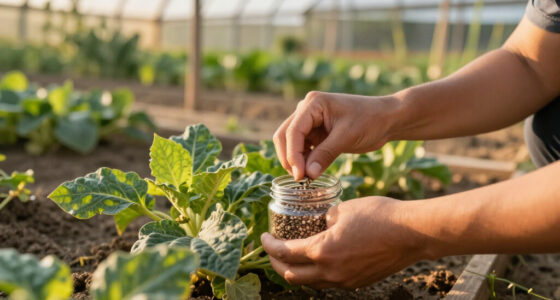
- Plant correctly: Sow seeds about 1 inch deep, a few inches apart in rows. Proper spacing ensures good airflow, reducing disease risk, and allows roots to expand. Water lightly at planting to aid germination, but avoid overwatering—excess moisture can cause seed rot or fungal problems.
- Limit watering: Give a deep soak at planting, then only water if the soil is dry several inches down. In many cases, minimal watering—perhaps only a handful of times per season—is enough because the plant’s deep roots access underground moisture. Overwatering can lead to root diseases and diminish drought resilience, so understanding when the plant truly needs water is key to maintaining its hardiness.
- Support vining types: Bush varieties generally do not require support, but vining types will benefit from a trellis or stake. Supporting vining plants helps prevent pod shattering and makes harvesting easier, while also improving airflow and reducing disease risk.
- Watch for pests: Pests are rare in dry climates, but keep an eye out for root rot or fungal issues if the soil remains wet. Use organic controls and ensure proper drainage to prevent problems.
- Harvest: Pods are dry and brittle when ripe. Pick in the morning when pods are slightly damp to prevent seed shattering. Dry thoroughly before storing to prevent mold and pests. Proper drying ensures the beans retain their flavor and nutritional quality.
For example, a gardener in Phoenix might plant tepary beans in early July, water minimally, and harvest in late September. This timing aligns with the natural climate cycle, reducing water use and maximizing yield.
desert garden tepary bean planting kit
As an affiliate, we earn on qualifying purchases.
As an affiliate, we earn on qualifying purchases.
Tepary Beans vs. Common Beans — How Do They Stack Up?
| Feature | Tepary Beans | Common Beans |
|---|---|---|
| Water needs | Require very little—often just a single monsoon soaking | Require consistent watering, often weekly or more |
| Heat tolerance | Thrives above 100°F, flowers in extreme heat | Drop blossoms in heat over 85°F |
| Growth cycle | 60–90 days | 80–120 days |
| Yield | Lower but reliable under drought | Higher under ideal conditions |
| Flavor | Nutty, earthy, slightly sweet | Varies; often milder |
Tepary beans excel in dry, hot environments because their adaptations allow them to produce reliably with minimal water. Their quick maturation and heat tolerance mean they can complete their life cycle even during drought conditions, often producing a smaller but more consistent yield. Conversely, common beans typically require more water and cooler conditions to reach their full potential, making them less suitable for arid environments. Understanding these differences helps gardeners make informed decisions based on their climate and water availability. Growing tepary beans in drought-prone areas means choosing a resilient, water-wise plant that aligns with your environmental realities—saving water, reducing maintenance, and increasing your garden’s sustainability.
As an affiliate, we earn on qualifying purchases.
The Cultural and Nutritional Power of Tepary Beans
Tepary beans aren’t just tough—they’re packed with nutrition. They contain about 23–30% protein by dry weight, making them a hearty plant-based protein source. Their high protein content comes from their ability to fix nitrogen in the soil, which is especially valuable in nutrient-poor, arid soils where other crops might struggle. They’re rich in fiber and resistant starch, which aid digestion and promote steady blood sugar levels. Their low glycemic index makes them an excellent choice for those managing blood sugar or seeking sustained energy from their diet.
Indigenous communities, especially the Tohono O’odham, have relied on tepary beans for millennia, valuing their flavor and health benefits. These beans were a staple food, providing essential nutrients in a challenging environment. Today, chefs and health-conscious eaters are rediscovering these beans for their earthy, nutty taste and impressive nutritional profile. Growing tepary beans not only honors this cultural heritage but also provides a sustainable, local source of nutrition that supports food sovereignty and resilience in arid regions.
Imagine a simple pot of dried tepary beans simmered with chili—filling, flavorful, and a nod to living in harmony with the land. Their cultural significance and nutritional power make them a valuable addition to any garden aiming for sustainability and health.
As an affiliate, we earn on qualifying purchases.
Troubleshooting Common Growing Problems (And How to Fix Them)
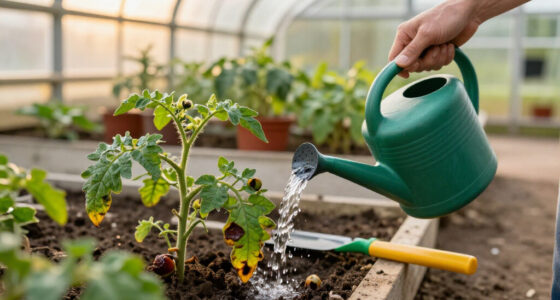
Tepary beans are hardy, but a few pitfalls can trip you up. The most common issue? Too much water. Overwatering turns roots rotten and encourages fungal diseases. Keep soil dry and only water when the soil feels dry a few inches down. Recognizing signs of overwatering—such as yellowing leaves or mold—is important to prevent crop loss. Adjust your watering schedule accordingly, especially during rainy seasons or if your soil retains moisture longer than expected.
If your plants aren’t flowering or setting pods, it might be too much nitrogen—remember, these beans fix their own, so avoid high-nitrogen fertilizers. Over-fertilizing can promote lush foliage at the expense of pod development, especially nitrogen-rich fertilizers which can inhibit flowering in legumes. Recognizing this tradeoff helps gardeners optimize pod production by balancing soil nutrients. Using organic compost and avoiding synthetic fertilizers ensures the plants focus their energy on producing pods rather than excessive foliage.
Watch out for pests like weevils in stored beans, and ensure you harvest pods promptly to prevent shattering. Proper drying and storage are key to keeping your beans safe and tasty. If pests are a problem, consider natural repellents or storing beans in airtight containers after drying thoroughly.
For example, a gardener in Tucson notices no pods forming. It’s probably overwatering—so they cut back, improve drainage, and the plants bounce back with a new burst of flowering. Understanding and adjusting watering and fertilization practices are vital to a successful tepary bean harvest.
Why Growing Tepary Beans Is a Climate-Resilient Win
Tepary beans are a prime example of a crop tailored for climate change. They need less water, tolerate high temperatures, and mature quickly—traits that help them survive increasingly unpredictable weather patterns. Their resilience is rooted in their evolutionary history in desert environments, where they developed mechanisms to conserve water and endure heat stress. This makes them an invaluable crop for future food systems facing water scarcity and rising temperatures.
In fact, research shows they can produce a crop with as little as one inch of water, which is significantly less than traditional crops require. This minimal water requirement allows cultivation in areas where water resources are limited, reducing pressure on these vital resources. Additionally, their ability to fix nitrogen naturally improves soil fertility, decreasing the need for chemical fertilizers that can further stress water supplies and degrade soil health.
Imagine a future where your garden not only survives but thrives amid drought and heat waves—tepary beans could be part of that solution. Their adaptability offers a pathway toward more sustainable, climate-resilient agriculture, especially in arid and semi-arid regions where traditional crops struggle.
Frequently Asked Questions
Where can I buy tepary bean seeds?
Look for seeds at Native Seeds/SEARCH, specialty seed companies, or Indigenous farms. Some culinary brands like Rancho Gordo sell sprouted beans that can be planted directly in your garden.
Can I grow tepary beans outside the desert Southwest?
Yes, if you have a warm, frost-free growing season and well-draining soil. Avoid humid or overly irrigated conditions—these beans love dry, hot environments.
How much water do they really need?
Tepary beans need very little—often just a single rain or monsoon soaking. They can produce with less than an inch of water, making them ideal for drought-prone gardens.
When and how deep do I plant?
Plant after the last frost, about 1 inch deep, in well-drained soil. Space seeds a few inches apart in rows for good airflow and easy harvest.
How long until harvest?
Most varieties mature in 60 to 90 days. Pods will be dry, brittle, and ready to harvest when they turn tan or dark brown.
Conclusion
Tepary beans aren’t just a plant—they’re a blueprint for growing in a hotter, drier future. Their ability to produce with minimal water and withstand extreme heat makes them a must-have for desert gardeners and climate-conscious growers alike.
Plant some this season. Taste the nutty richness, feel the resilience in your soil, and be part of a movement that’s reclaiming Indigenous crops for a sustainable tomorrow.
Fall yard work Picks
leaf blowers
As an affiliate, we earn on qualifying purchases.