TL;DR
Open a free Amazon Business account
Business pricing, bulk buying and tax-exempt orders.
Create a free accountAs an affiliate, we earn on qualifying purchases.
Matching drip emitter flow rates (GPH) to your desert plants’ needs prevents overwatering and underwatering. Using low GPH emitters for succulents and adjusting based on soil and climate keeps your landscape healthy and water-wise.
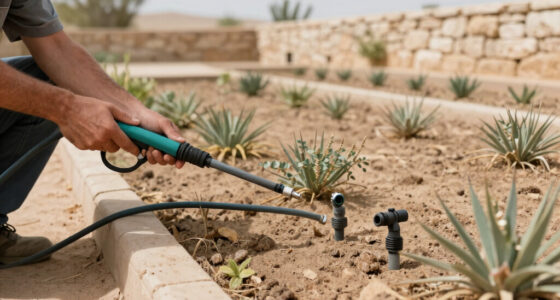
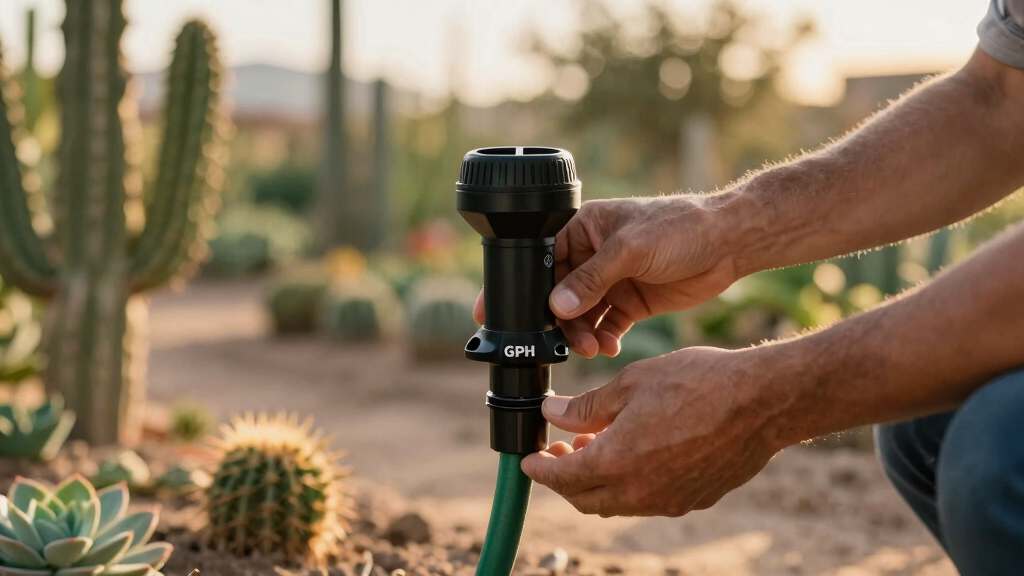
When it comes to watering desert plants, precision beats volume. You want just enough moisture to keep succulents, cacti, and desert shrubs thriving—no more, no less. Choosing the right drip emitter flow rate—measured in gallons per hour (GPH)—can make or break your water savings and plant health.
Think of it like fine-tuning a spray nozzle on a garden hose. Too much flow, and you drown delicate roots. Too little, and plants suffer. This guide will walk you through understanding GPH, matching it to plant needs, and making smart choices that keep your desert landscape happy and water-efficient.
Match GPH to your desert plants’ size and species—smaller plants need less than 1 GPH.
Use adjustable emitters to fine-tune watering for diverse plants and conditions.
Regularly check soil moisture to prevent over- or underwatering.
Choose low GPH emitters (around 0.5 GPH) for succulents and cacti.
Maintain filters and flush lines to keep your drip system clog-free.
What exactly is GPH and why does it matter?
GPH stands for gallons per hour—the amount of water an emitter delivers in one hour. It’s the core number to consider when planning your drip system. For desert plants, it’s all about delivering just enough water to the roots, without waste or run-off.
Understanding GPH is crucial because it directly impacts water conservation and plant health. Choosing a GPH that’s too high can lead to overwatering, causing root rot and fungal issues, especially in the desert where roots are adapted to dry conditions. Conversely, too low a GPH might not provide enough moisture, stressing plants and hindering growth. The tradeoff involves balancing water efficiency with plant needs—using the right GPH ensures roots get enough water without waste, which is vital in water-scarce environments.
For example, a tiny cactus might only need a drip emitting 0.5 GPH, while a larger desert shrub might thrive with 1.5 GPH. Using the wrong GPH can lead to soggy roots or drought stress. In other words, matching GPH to your plant’s size and type is the secret to a healthy, water-wise garden.
drip emitter flow rate GPH for succulents
As an affiliate, we earn on qualifying purchases.
As an affiliate, we earn on qualifying purchases.
How to pick the right GPH for your desert plants in 3 simple steps
- Identify each plant’s water needs. Succulents like aloe Vera or agave prefer less than 1 GPH. Larger desert shrubs may need 1–2 GPH.
- Check your soil type. Sandy soils drain fast, so lower GPH emitters work better. Loamy soils hold moisture longer, so reduce flow accordingly.
- Adjust based on climate. Hot, dry summers call for slightly higher GPH or more frequent watering, while cooler months need less.
For instance, if you’re watering a small cactus in sandy soil during summer, a 0.5 GPH emitter placed right at the root zone is ideal. Understanding these steps helps you tailor your watering strategy to ensure each plant gets the right amount of water. It’s important to realize that tradeoffs exist: using a GPH that’s too high in sandy soil may cause runoff and water waste, while too low in heavy clay soil might mean insufficient watering. Adjusting GPH based on these factors optimizes water use and plant health.
adjustable drip emitters for desert plants
As an affiliate, we earn on qualifying purchases.
As an affiliate, we earn on qualifying purchases.
Matching GPH to plant size and type — a quick comparison table
| Plant Type | Recommended GPH | Notes |
|---|---|---|
| Small succulents (e.g., aloe, echeveria) | 0.2–0.5 GPH | Use low flow; avoid overwatering, which can cause root rot in delicate plants. |
| Medium-sized cacti and succulents | 0.5–1 GPH | Place emitter close to root zone to ensure even moisture distribution; this prevents drought stress or overwatering. |
| Large desert shrubs | 1–2 GPH | Water deeply but infrequently; higher GPH helps penetrate deeper roots but requires careful scheduling to avoid saturation. |
| Desert trees | 2–4 GPH | Use multiple emitters if needed; larger plants need more water, but overwatering can weaken roots in dry soils. |

Beginner's Guide: How to Install Drip Irrigation & Water -Saving Landscaping: Cut Your Water Bill, Grow a Healthier Yard, and Go Drought-Resistant in 30 Days
As an affiliate, we earn on qualifying purchases.
As an affiliate, we earn on qualifying purchases.
Why overwatering can be deadly for desert plants—and how to avoid it
Overwatering is one of the biggest killers of desert plants. Excess water causes roots to rot, invites fungal diseases, and weakens the plant’s natural drought resistance. Using a GPH that’s too high for a plant’s needs floods its roots, leading to long-term health issues that can kill the plant. In desert environments, roots are adapted to dry conditions; constant saturation disrupts their ability to access oxygen, making them vulnerable to decay and disease.
For example, running a 2 GPH emitter on a tiny aloe can drown it in weeks, leading to root rot and eventual death. Conversely, using a GPH that’s too low may cause drought stress, stunting growth or killing the plant outright. The key is to find a balance—matching GPH to plant size, soil type, and climate. Regularly checking soil moisture with a probe or your finger helps you gauge whether the roots are being over- or under-watered. This careful management prevents long-term damage and ensures your desert plants remain resilient and healthy.
As an affiliate, we earn on qualifying purchases.
Adjusting flow rates—are adjustable emitters worth it?
Adjustable emitters let you fine-tune water flow without replacing parts. They’re like a dimmer switch for watering—perfect if you plant a mix of succulents, shrubs, and trees. This flexibility allows you to respond to changing weather conditions and seasonal needs, which is especially important in desert climates where moisture availability can vary significantly.
Imagine planting a row of small cacti and a couple of larger desert shrubs. With adjustable emitters, you can turn down the flow for the tiny succulents and crank it up for the shrubs, all with one system. This prevents over- or under-watering, reducing waste and ensuring each plant gets what it needs for optimal growth. The tradeoff is the initial cost and potential complexity of installation, but the long-term benefits of precise watering often outweigh these drawbacks. Investing in quality, adjustable emitters gives you control and flexibility, especially as your garden matures or seasons change, leading to healthier plants and more efficient water use.
How to keep your drip system working smoothly—clog prevention tips
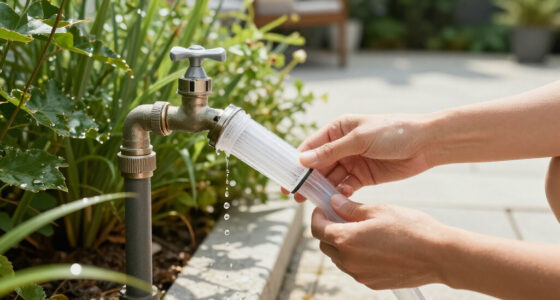
Clogged emitters are common and frustrating. Sand, debris, and mineral buildup block water flow—wasting your water and time. In desert soils, high mineral content and fine particulates can quickly clog emitters if not properly filtered. Regular maintenance is essential for reliable watering. Use filters at the system’s start, flush lines regularly, and choose high-quality emitters designed for clog resistance. For example, install a fine mesh filter on your main line to catch grit before it reaches the emitters, preventing blockages that compromise watering schedules.
Routine maintenance, including cleaning filters and flushing lines, keeps your drip system reliable. This prevents uneven watering, root stress, and wasted water. Think of it like giving your system a quick check-up every season to ensure consistent performance. The tradeoff involves some effort and periodic replacement of filters, but the payoff is a healthy, efficient irrigation system that protects your desert plants from water stress caused by clogging.
Frequently Asked Questions
How do I know what GPH to use for my specific desert plants?
Look up each plant’s water needs—succulents often need less than 1 GPH, while larger shrubs may need 1–2 GPH. Adjust based on soil type and climate, and start with lower GPH if unsure.Can I mix different GPH emitters in my garden?
Yes, but it’s best to match each emitter’s GPH to the plant it waters. Use adjustable emitters for flexibility or install different emitters tailored to each plant’s needs.How often should I water desert plants with drip irrigation?
Typically every 1–2 weeks, but always check soil moisture first. Hotter months may require more frequent watering, while cooler months need less.What’s the danger of using too high a GPH emitter?
Overwatering can lead to root rot, fungal issues, and weak plants. Always match the GPH to what your plants can handle to keep them healthy.Are adjustable emitters worth the extra cost?
Absolutely. They let you fine-tune watering without replacing parts, making your system adaptable as plants grow or seasons change.Conclusion
Getting your drip emitter GPH right isn’t just about saving water; it’s about giving your desert plants exactly what they need to thrive. A little planning now keeps roots healthy and your landscape drought-tough for years to come.
Think of your watering system as a fine-tuned machine—small adjustments make a big difference. Keep it simple, keep it smart, and let your desert garden flourish in every drop.
Grilling season Picks
grills
As an affiliate, we earn on qualifying purchases.