
TL;DR

Get garden gear delivered free with Prime
- Fast, free delivery on millions of items
- Prime Video, Amazon Music and more included
- Member-only deals all year
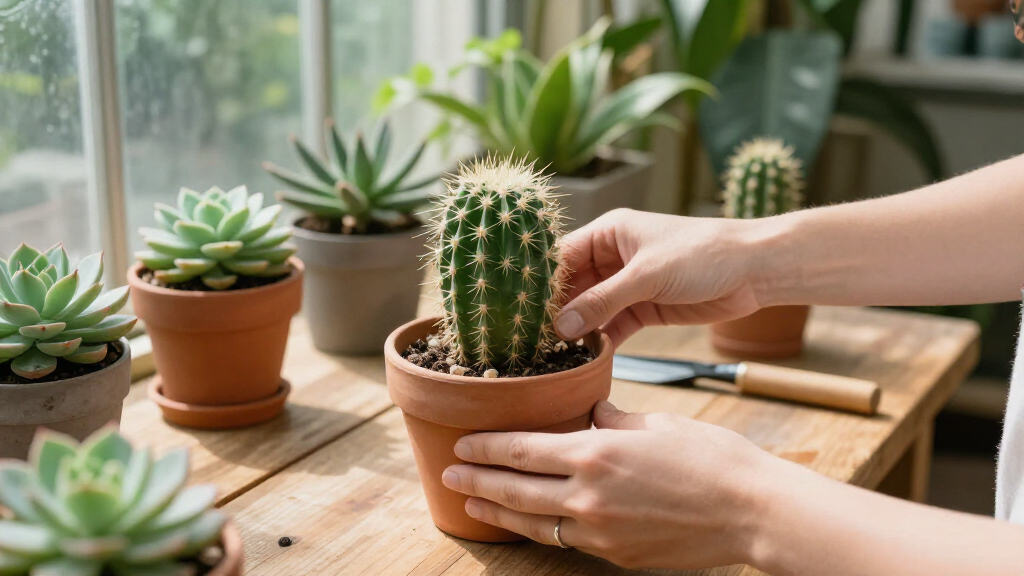
Transplant shock in cacti often results from sudden changes in sun exposure. Marking the original sun-facing side and gradually acclimating your plant helps prevent sunburn and speeds recovery, especially for mature, field-grown cacti.
How Sun Orientation Shapes Your Cactus’s Health
Every cactus develops a unique relationship with the sun, depending on which side faces the brightest light year after year. The side that faces the sun becomes tougher, with thicker tissues, denser spines, and darker pigmentation. The shaded side, meanwhile, stays softer and more vulnerable. When you suddenly rotate or move a cactus without considering this, you risk exposing the shade-adapted side to harsh sunlight. This can cause sunburn, which shows up as pale, bleached patches or even corky scars that remain for life.
Understanding this process matters because it reveals how cacti adapt structurally to their environment. The sun-facing side develops protective features—thicker skin, more chlorophyll, and denser spines—allowing it to withstand intense rays. The shaded side, in contrast, remains softer and less equipped to handle sudden exposure. When this natural adaptation is disrupted abruptly, the plant’s tissues can’t cope, leading to damage that compromises cell integrity, impairs photosynthesis, and invites infections. The tradeoff is clear: a sudden change can cause irreversible harm, making gradual adjustment or preservation of orientation crucial for long-term health.
cactus transplant shock protection
As an affiliate, we earn on qualifying purchases.
As an affiliate, we earn on qualifying purchases.
The Simple Step That Saves Your Cactus From Sun Damage
The most straightforward way to prevent transplant sunburn is to mark the cactus’s original sun-facing side before moving it. Use a piece of chalk, a label, or a small flag to identify which side faces north (or the primary sun direction). When replanting, align that side facing the same compass point. This keeps the plant’s natural orientation intact, giving it a better shot at recovering without stress.
By maintaining the original sun orientation, you help the cactus retain its structural adaptations—thicker skin, denser spines—that have developed over years. This continuity allows the plant to handle sunlight more effectively, reducing the risk of burns. If you neglect this step, the cactus may face a sudden, unnatural sun exposure that it’s not equipped to handle, leading to tissue damage, stress, and slower recovery. The tradeoff here is between the effort of marking and the significant benefit of preserving the plant’s natural defenses, which ultimately results in healthier, more resilient cactus growth post-transplant.
As an affiliate, we earn on qualifying purchases.
Gradual Acclimation When You Can’t Keep the Same Sun Direction
If marking the original direction isn’t possible—say, the plant was in a nursery or the sun’s angle has shifted—you need to ease your cactus into its new lighting. Start with filtered or shaded light, especially during the hottest part of the day. Use shade cloth or a light tarp to block intense afternoon rays. Gradually increase direct sunlight over several weeks, watching for signs of stress like bleaching or yellowing.
This gradual process is critical because sudden exposure can overwhelm the cactus’s tissues, which are adapted to a specific light intensity. The tradeoff is that a slow transition may prolong the recovery period, but it significantly reduces the risk of irreversible sunburn. For example, starting with morning sun and providing afternoon shade mimics the plant’s natural environment, allowing cells to rebuild protective layers and acclimate. Over time, the cactus develops resilience to higher light levels, leading to a healthier, more robust plant in the long run. The key implication is that patience in this stage directly influences the plant’s ability to recover fully and avoid long-term damage.
cactus sunburn prevention products
As an affiliate, we earn on qualifying purchases.
As an affiliate, we earn on qualifying purchases.
cactus transplant recovery supplies
As an affiliate, we earn on qualifying purchases.
As an affiliate, we earn on qualifying purchases.
Columbus Day / Indigenous Peoples' Day Picks
long weekend sales
As an affiliate, we earn on qualifying purchases.