
TL;DR

Get garden gear delivered free — and shop member deals
- Fast, free delivery on millions of items
- Access to Prime Big Deal Days deals on October 6–7
- Prime Video, Amazon Music and more included
Separating agave pups in spring or early summer gives them the best start. Use well-draining soil, keep watering minimal, and protect young plants from cold and pests. With patience, they’ll grow into sturdy desert favorites within 3-5 years.
Ever tried dividing a thriving agave and wondered if you’re doing it right? If you’re into desert landscaping, you know agaves are tough, but they still need a gentle touch when it comes to pups. First-year care makes or breaks their future as a resilient, water-wise plant.
Getting pups off to a good start isn’t just about digging them up. It’s about timing, handling, and providing the right environment. Stick with me, and I’ll walk you through the essentials — from separation to planting — so your young agave can flourish in your xeriscape.
Timing your pup separation in spring or early summer boosts survival chances.
Use sharp, sterilized tools and wear protective gear to prevent injury and disease.
Plant pups in well-draining soil, at the same depth as before, and keep watering minimal.
Protect young plants from frost, pests, and overwatering during their first year.
Observe your local climate and adjust shade, watering, and winter protection accordingly.
When and How to Pick the Perfect Time for Separating Pups
Timing is everything. The best moment to separate agave pups is during spring or early summer, when they’ve developed enough roots and the weather is warm but not scorching. Think of it like giving a kid just enough time to grow before starting school.
Look for pups that are at least one-third the size of the parent. If they’re smaller or weak, they might struggle to survive. Wait until they’ve shown some good root growth — usually a few months after new leaves sprout.
For example, if your agave is in bloom or has sent out pups in early spring, that’s your window. Waiting too long risks cold damage or root rot, especially if your climate dips into frost. So, keep an eye on growth and weather conditions.
As an affiliate, we earn on qualifying purchases.
Tools, Precautions, and Safety Tips for Handling Agave Pups
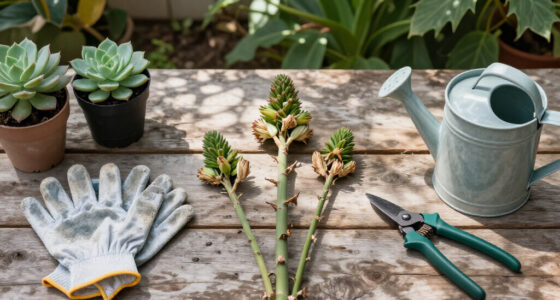
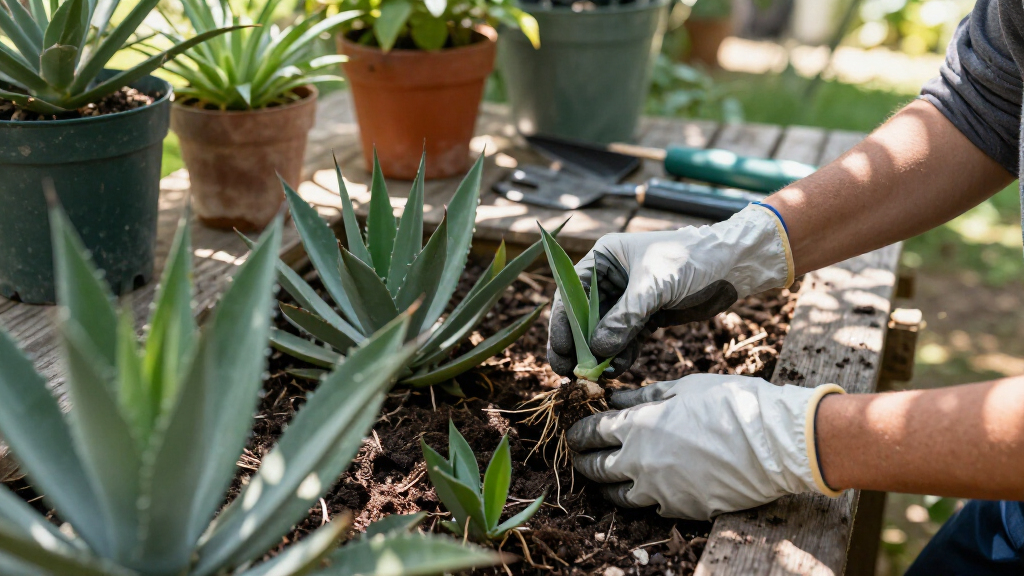
Agave spines are sharp — like tiny knives. Always wear thick gloves, eye protection, and long sleeves. Use clean, sharp tools like a garden knife or pruning shears to cut through roots and base tissue.
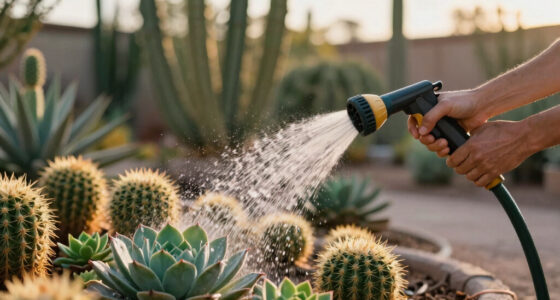
Before you dig, water the soil lightly. This softens the ground and makes the pup easier to lift. Dig carefully around the pup, staying close to the root ball to avoid damaging its delicate roots.
For example, I always sterilize my tools with rubbing alcohol before and after handling each plant. It prevents disease spread — a common mistake beginners make.
Remember: patience and safety first. Agave spines are not just sharp; they can cause skin irritation. Keep your distance and handle with care.
well-draining cactus and succulent soil
As an affiliate, we earn on qualifying purchases.
As an affiliate, we earn on qualifying purchases.
Step-by-Step: How to Carefully Remove and Callus Your Pup
- Dig a gentle ring around the pup, staying close to its base to avoid damaging roots.
- Use your sterilized tool to cut the pup free, keeping as many roots attached as possible.
- Place the pup in a dry, shaded area for 1-2 days. Let the cut end callus over — this helps prevent rot.
- Check the pup daily. If it’s dry and has a hardened surface, it’s ready for planting.
- Prepare your planting site or container with well-draining soil before planting.
This process mimics nature’s way — pups naturally callus after being knocked loose, reducing infection risk and helping them settle into their new home.
protective gardening gloves for spiny plants
As an affiliate, we earn on qualifying purchases.
As an affiliate, we earn on qualifying purchases.
Best Soil Mix for Planting Agave Pups in Year One
Agave pups thrive in soil that drains quickly. Think gritty, sandy, or cactus mix — no heavy clay or organic matter that retains water. You want the roots to dry out between waterings, especially during their first year.
For example, I use a mix of one part perlite, one part coarse sand, and one part cactus soil. It’s cheap, easy, and mimics their natural desert environment.
Plant your pup at the same depth it was growing before, pressing lightly to settle the soil. Avoid burying the crown — that can cause rot.
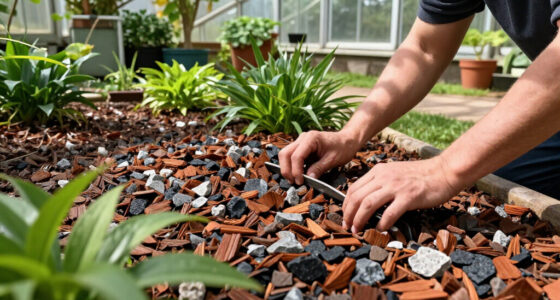
In my yard, I’ve found that a shallow planting plus a small gravel mulch keeps moisture in check and discourages pests.
agave plant winter frost protection
As an affiliate, we earn on qualifying purchases.
As an affiliate, we earn on qualifying purchases.
First-Year Care Tips: Protect, Water, and Watch
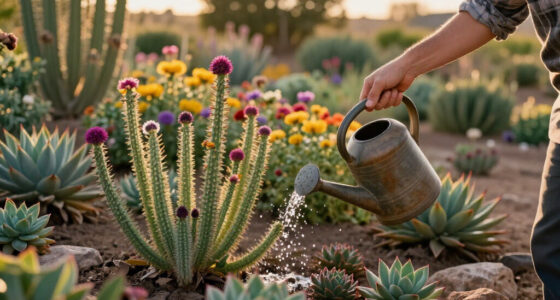
Your young agave needs a bit of TLC during its first 12 months. Think of it as giving a new puppy just enough water and space to grow confident.
- Protect from cold: Cover or bring inside if frost threatens.
- Water sparingly: About once every 2-3 weeks. Test the soil — if it’s still damp, hold off.
- Fertilize lightly: Use a cactus or succulent fertilizer at half strength in spring and summer.
- Ensure airflow: Good circulation prevents fungal issues and pests.
I once had a small pup that struggled because I overwatered. Cutting back on water and giving it shade during the hottest days turned things around.
Remember: less is more in year one. Think desert, not rainforest.
How Climate and Conditions Impact Your Pup’s First Year
Climate plays a big role. In hot, dry zones, pups can handle full sun and minimal water. But in cooler or wetter regions, they need extra protection and careful watering.
For example, in zones 8-9, a light frost can kill a young pup. Cover it with burlap or bring it indoors. In zones 4-7, you might need to grow pups in containers and bring them inside during winter.
Recent research shows that providing some shade during peak heat — like a shade cloth — reduces stress and helps pups develop stronger roots.
Always observe your local weather patterns and adjust your care accordingly.
Common Mistakes to Avoid When Caring for Year-One Pups
Don’t overwater or fertilize heavily. Both can cause rot or weak growth. Also, avoid planting pups too deep — that invites fungal trouble.
Another mistake? Handling pups roughly or damaging their roots. Gentle digging and careful handling are your best friends.
Finally, neglecting protection from cold or pests can set your pup back. A little effort goes a long way in the first year.
For instance, I once lost a pup to fungal rot because I didn’t callus the cut properly. Now, I always give it time to heal before planting.
Frequently Asked Questions
When is the best time to separate agave pups?
The ideal window is in spring or early summer when pups are well-developed and the weather is warm but not scorched. This timing helps pups establish roots before the heat or cold stress them.
How do I know if a pup is healthy enough to transplant?
Look for pups with a good root system, firm leaves, and no signs of disease or damage. If the pup has enough roots and appears vigorous, it’s ready to go.
What soil mix works best for young pups?
A gritty, fast-draining cactus or succulent mix—like one part perlite, one part coarse sand, and one part cactus soil—creates the ideal environment for healthy root development.
How often should I water a new pup?
Water sparingly—about once every 2-3 weeks—allowing the soil to dry out completely between watering. Overwatering is one of the biggest pitfalls for first-year pups.
Can I grow agave pups in containers or in the ground?
Both options work. Containers are easier to protect from frost, especially in colder zones. In warmer climates, planting directly in the ground is fine, as long as soil drains well and you protect from winter cold.
Conclusion
Separating and planting agave pups in their first year isn’t complicated — just deliberate and gentle. With the right timing, soil, and care, your small plants will grow into resilient desert jewels.
Remember: patience and a light touch turn tiny pups into towering, water-wise plants that thrive for decades. Your desert garden’s future starts with these little steps.
Halloween Picks
halloween
As an affiliate, we earn on qualifying purchases.