
TL;DR

Get garden gear delivered free with Prime
- Fast, free delivery on millions of items
- Prime Video, Amazon Music and more included
- Member-only deals all year
Artificial turf, gravel, and decomposed granite all handle heat and runoff differently. Turf heats up the most, gravel stores more heat than natural ground, and decomposed granite varies with installation. Your best bet for cooling and managing runoff is a shaded, soil-based landscape with drought-tolerant plants.
Heat and water runoff are the silent enemies of desert landscapes. While artificial turf, gravel, and decomposed granite promise low-water, low-maintenance solutions, they each behave very differently under the blazing sun and rain. Choosing the right surface isn’t just about looks—it’s about how it manages heat, drains stormwater, and impacts your local environment.
In this guide, you’ll learn exactly how each material reacts to heat and rain, backed by real-world examples and practical tips. Whether you’re replacing a patch of lawn or planning a whole backyard overhaul, understanding these differences will help you pick a surface that stays cooler, drains better, and lasts longer.
Artificial turf heats up more than natural ground and can reach uncomfortable or dangerous temperatures in full sun.
Permeability alone doesn’t guarantee stormwater mitigation; a complete system with proper base and slope is essential.
Shade and vegetation consistently outperform mineral surfaces in cooling and stormwater management.
Choosing the right surface depends heavily on climate, slope, soil, and maintenance capacity.
For climate resilience, combine native plants, shade, and infiltration features rather than relying solely on hard surfaces.
Which surface gets the hottest? Expect real-world numbers and practical tips
Artificial turf is often the hottest surface you can install, especially in full sun. Its plastic fibers and infill absorb solar energy without evaporative cooling, sometimes reaching over 150°F during peak summer heat. This extreme heat not only causes discomfort but can also pose risks of burns on bare skin or paws, making it unsuitable for areas where people or pets frequently walk barefoot. The high temperature also accelerates material degradation, shortening turf lifespan and increasing maintenance costs.
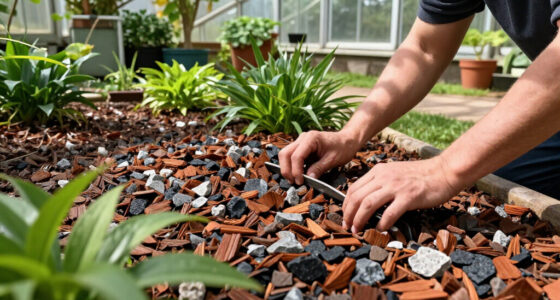
Comparatively, gravel and decomposed granite tend to heat up more gradually, reaching around 120°F to 140°F. Darker stones absorb more sunlight, intensifying heat buildup, which can make paths uncomfortably hot on summer afternoons. Lighter-colored DG or gravel reflect more sunlight, slightly reducing surface temperatures but still remain hot enough to cause discomfort. This persistent heat can influence the usability of outdoor spaces, especially during peak summer. To mitigate these issues, incorporating shade structures, planting shade trees, or using organic mulches can significantly reduce surface temperatures, creating more comfortable environments. Understanding these temperature ranges helps in designing landscapes that balance aesthetic appeal with comfort and safety.
artificial turf with cooling infill
As an affiliate, we earn on qualifying purchases.
As an affiliate, we earn on qualifying purchases.
Runoff performance: Why permeability doesn’t tell the whole story
Many assume that if a surface drains well, it’s good for stormwater. But drainage performance depends on the entire system—surface, base, soil, and slope. A permeable surface alone doesn’t guarantee good stormwater management, because water movement is influenced by how these components work together. For example, a well-draining surface over a poorly graded or compacted base can lead to water pooling or slow drainage, increasing the risk of erosion or flooding. Conversely, a poorly permeable surface like stabilized decomposed granite might shed water quickly but can cause runoff issues if not properly designed with infiltration features.
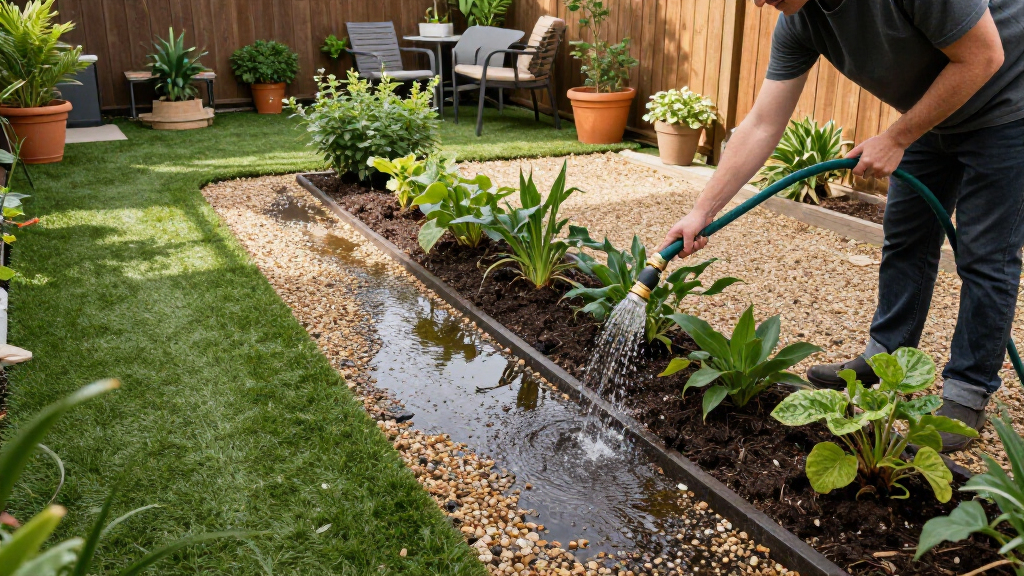
Artificial turf often has drainage holes and is installed over crushed aggregate, which can facilitate quick water flow if the base is properly constructed. However, if the infill becomes clogged with leaves or debris, or if a plastic barrier is used improperly, water can pond or flood, negating its drainage benefits. Gravel can promote infiltration when placed over native, well-draining soil, but fine sediments can fill gaps over time, reducing permeability and increasing runoff. On slopes, loose gravel may migrate, exposing compacted soil underneath, which increases runoff and erosion risks. Decomposed granite’s effectiveness hinges on proper installation; loose DG drains reasonably well, but erosion and dust can impair its function, while stabilized DG can act more like a permeable pavement, shedding water rapidly. Proper design strategies, such as incorporating dry wells, infiltration trenches, or contour grading, are essential to optimize stormwater management regardless of surface choice. Recognizing these dynamics allows for smarter landscape planning that minimizes runoff and protects your property from water damage.
As an affiliate, we earn on qualifying purchases.
What really influences heat and runoff? The 10 key factors you must consider
It’s not just the material—climate, shade, soil, slope, and maintenance play huge roles. For example:
- Climate: Hotter, drier areas increase surface temperatures and reduce infiltration, making certain surfaces less suitable without additional shading or cooling measures.
- Color and reflectance: Lighter surfaces reflect more sunlight, helping to keep temperatures down, but may require more frequent cleaning to maintain their reflective properties.
- Shade: Trees, pergolas, and buildings significantly cut heat gain, creating microclimates that make even dark surfaces more tolerable.
- Soil type: Sandy soils drain quickly but may need amendments to retain moisture, while clay soils retain water and can cause runoff issues if not managed properly.
- Slope: Steeper slopes accelerate runoff and erosion, necessitating terracing or retaining features to control water flow.
- Base construction: Deep, well-graded bases with proper drainage improve surface performance and longevity, especially under heavy rainfall.
- Compaction: Compacting surfaces stabilizes them but reduces water infiltration, potentially causing runoff and pooling.
- Maintenance: Regular debris removal, weed control, and sediment management keep drainage pathways clear and surfaces cooler.
- Storm intensity: Heavy rains can overwhelm even well-designed systems, highlighting the need for overflow management and infiltration capacity.
- Area size: Larger projects require comprehensive planning to ensure uniform performance and prevent localized failures.
Recognizing how these factors interplay helps in designing landscapes that effectively manage heat and stormwater. For example, a shaded decomposed granite pathway on a gentle slope with loose material can stay cooler and drain more effectively than a dark, compacted gravel slope exposed to full sun. Understanding the implications of each factor allows you to make informed decisions about materials, placement, and design features. This holistic approach ensures your landscape remains resilient, functional, and sustainable, even in extreme weather conditions, by addressing not just the material but the entire environment that influences its performance.
As an affiliate, we earn on qualifying purchases.
Environmental and practical tradeoffs: What you gain and lose with each choice
Every surface has its pros and cons, and understanding these tradeoffs is crucial for making sustainable choices. Artificial turf offers a lush, green appearance without the need for mowing or watering, but it heats dangerously in the sun, potentially reaching temperatures that can cause burns and discomfort, especially for pets and children. The intense heat can make it uncomfortable or unsafe for barefoot use and can contribute to higher cooling costs if placed near living spaces. Environmentally, turf is made from plastics that are difficult to recycle and can shed microplastics over time, raising concerns about pollution and long-term ecological impact. Gravel, on the other hand, provides durability and minimal maintenance, making it suitable for paths and driveways. Yet, dark gravel absorbs significant heat, intensifying the urban heat island effect, and can harbor weeds if not properly installed or maintained, increasing the need for weed control and periodic replenishment. Decomposed granite offers a natural aesthetic and ease of installation, but it requires ongoing maintenance such as raking, topping up, and stabilization to prevent erosion and dust. These tradeoffs highlight the importance of considering long-term implications—like durability, environmental impact, and maintenance—when choosing a surface. Balancing these factors allows you to select materials that align with your sustainability goals, lifestyle, and resilience needs, ensuring your landscape remains functional, safe, and eco-friendly over time.
As an affiliate, we earn on qualifying purchases.
Emerging trends and how they impact your landscape choices
New developments are shaping landscape decisions. Drought-prone regions restrict water-heavy surfaces, pushing for more soil and plant-based solutions. Concerns over microplastics and chemicals in turf are leading to bans or restrictions on some products, encouraging the adoption of natural, recyclable materials. Stormwater programs now look at the entire system—not just surface permeability—promoting integrated solutions like bioswales, rain gardens, and permeable pavements that work with the landscape’s natural flow. Innovations in cool-surface materials and eco-friendly infills are emerging, aiming to reduce heat and environmental impact, but they require rigorous testing to validate their performance in real-world conditions. As awareness grows, regulations and consumer preferences are shifting toward more sustainable options, including recyclable mineral surfaces and organic alternatives. These trends highlight the importance of choosing adaptable, environmentally conscious materials that can evolve with future innovations and policies, ensuring your landscape remains resilient and compliant in changing climates. Staying informed about these trends allows you to future-proof your landscape, adopting solutions that not only meet current needs but also anticipate evolving standards and innovations, ultimately creating more sustainable and climate-responsive outdoor spaces.
Picking the best surface for your goal: Practical tips for desert landscapes
Think about your main goal—cooling, stormwater management, durability, or low maintenance. Here’s a quick guide:
- Lowest surface temperature: Use shaded, vegetated areas or organic mulch, which naturally stay cooler and support plant health.
- Best stormwater infiltration: Design a rain garden, vegetated swale, or incorporate permeable base layers to promote water absorption and reduce runoff.
- Durability for paths or pet areas: Stabilized decomposed granite or engineered permeable paving withstand foot and vehicle traffic better, offering long-term performance.
- Cost considerations: Gravel tends to be more affordable initially, but long-term maintenance and replacement costs for turf or DG should be factored in.
- Environmental impact: Prioritize native plants, recycled materials, and surface options that minimize ecological footprints, supporting local biodiversity.
For example, a backyard with mature shade trees might focus on soil health and shade for cooling, while a utility path could favor stabilized DG or permeable pavers for durability. Tailoring your choices to specific site conditions and climate ensures a landscape that performs well over time and responds adaptively to weather extremes, ultimately saving money, water, and effort while creating a more sustainable environment.
Frequently Asked Questions
Is artificial turf always hotter than gravel or decomposed granite?
Not always, but it often reaches higher peak temperatures, sometimes over 150°F, especially in direct sun. Factors like fiber color, infill, shade, and measurement method influence the actual temperature.Can artificial turf cause burns for pets or kids?
Yes. In strong sunlight, artificial turf and dark mineral surfaces can become hot enough to cause discomfort or burns. Always check the surface temperature before allowing play or pets on it.Does gravel help reduce runoff?
Gravel can promote infiltration if installed over permeable soil, but only if the base and underlying soil are suitable. Fine sediment and compaction can reduce its effectiveness over time.How does decomposed granite drain?
Loose DG drains fairly well but can erode and become dusty. Compacting or stabilizing DG reduces permeability and might cause runoff similar to pavement. Check product specs and install accordingly.What’s the best option for clay soils?
Clay soils drain poorly, regardless of surface. Improving drainage may require grading, adding sandy amendments, or installing infiltration systems like rain gardens.Conclusion
In the desert, surface choice isn’t just about appearance—it’s about managing heat and water effectively. Shaded, soil-based landscapes with drought-tolerant plants usually outperform any mineral surface for cooling and stormwater. When in doubt, prioritize natural solutions that work with your environment, not against it.
Remember: the best landscape is one that stays cooler, drains well, and ages gracefully. Your next project starts with understanding how each material behaves under the desert sun—and making choices that last.
Fall Picks
fall essentials
As an affiliate, we earn on qualifying purchases.