
TL;DR

Get garden gear delivered free — and shop member deals
- Fast, free delivery on millions of items
- Access to Prime Big Deal Days deals on October 6–7
- Prime Video, Amazon Music and more included
Gravel’s color and size impact how much heat reaches your soil. Light-colored gravel reflects sunlight, keeping soil cooler, while dark gravel absorbs heat, warming the soil and releasing it at night. Layer depth and moisture also play key roles in this thermal dance.
If you’ve ever seen a desert garden glow under the afternoon sun, you’ve felt how gravel can turn heat into an art form. Gravel isn’t just about looks — it’s about how it manages energy. The right choice can keep roots cool or warm, save water, and even influence plant survival in the heat.
In this guide, you’ll learn how gravel size and color shift soil temperatures and how to use that knowledge to make your landscape more resilient. A few simple tweaks can turn a blazing hot spot into a thriving oasis.
Surface gravel color significantly influences how much heat is absorbed or reflected, affecting soil temperature.
Layer depth and gravel size control how heat transfers from stones to the soil, with thicker layers generally moderating swings.
Moisture reduces rapid heating and cooling, so watering or maintaining soil moisture is key when using gravel mulch.
Measuring temperature at multiple depths offers a clearer picture of how gravel impacts root-zone heat.
Adjust gravel choices based on your climate, season, and plant needs for best results.
Gravel Size and Color: How Rock Mulch Changes Soil Temperature
Gravel changes the soil’s energy balance. Color controls solar absorption, stone size shapes contact and airflow, layer depth buffers temperature swings, and moisture determines how quickly heat reaches the root zone.
Six variables shape the result
No gravel performs as “hot” or “cool” in isolation. The same stone can protect roots in one garden and intensify heat stress in another because installation, weather, water, and measurement depth all interact.
Light reflects. Dark absorbs.
Pale stone generally returns more sunlight to the surroundings. Dark stone stores more solar energy and releases part of it after sunset. Dust, texture, mineral type, and wetness can alter that pattern.
Small gravel transfers heat efficiently.
Closely packed particles create more contact points and less deep shade. Heat can move through the continuous mineral layer quickly, especially when the cover is thin.
Large stones create shade pockets.
Cobbles leave wider air spaces that reduce direct contact and cast localized shade. Individual rocks still store substantial heat and may radiate it for hours.
Continuous layers slow rapid swings.
A thin scattering may become scorching without shielding the soil. More depth usually moderates short-term heating and cooling, but excessive depth can impede planting and water movement.
Moist soil changes temperature slowly.
Water acts as a thermal buffer. Gravel may reduce evaporation, while wet stone often darkens and absorbs more sunlight. Soil moisture and surface temperature can therefore move differently.
Climate determines the benefit.
Dark gravel may stress shallow roots in hot sun but extend evening warmth in cool regions. Pale gravel can limit summer heating while delaying desirable spring warming.
The surface can scorch while roots remain buffered
Visible stone temperature is only one layer of the system. Sun exposure drives the surface maximum; depth and moisture limit how much of that heat reaches the soil where roots absorb water and nutrients.
Illustrative summer readings
Relative bars compare reported examples, not universal outcomes.
Actual readings depend on solar intensity, ambient temperature, stone composition, layer depth, soil moisture, wind, and shade. Compare materials at the same site and time.
The daily heat cycle
Rock mulch absorbs, stores, and releases energy across the day.
A gravel layer may lower the afternoon soil maximum while raising the nighttime minimum. A daily average can hide both effects.
Choose a layer, not just a stone
Particle size cannot be separated from coverage. A sparse layer exposes soil; a compact mixed-size layer changes conductivity and drainage; a deeper uniform layer creates a more stable thermal buffer.
Heats quickly and may transfer intense surface energy directly toward shallow roots.
Often enough to shade soil and moderate swings without creating an excessive barrier.
Improves thermal stability but requires careful attention to aeration, runoff, and plants.
| Gravel profile | Daytime behavior | Nighttime behavior | Best-fit condition |
|---|---|---|---|
| Light, small gravel | ✓Reflects more sunlight | ~Limited stored warmth | Hot sites needing lower solar absorption |
| Dark, small gravel | ✗Can heat rapidly | ✓Releases useful warmth | Cool climates and heat-loving plants |
| Large pale stone | ✓Air gaps and local shade | ~Large stones retain heat | Open, well-drained installations |
| Mixed-size gravel | ~Dense, variable transfer | ~Moderated by depth | Sites balancing stability and coverage |
| Deep continuous layer | ✓Buffers rapid peaks | ✓Slows heat loss | High day-to-night temperature swings |
✓ favorable tendency · ✗ caution · ~ site-dependent
Follow heat below the surface
An infrared thermometer reads the visible rock, not the root zone. A useful field test records surface heat, temperatures below the gravel, root-depth readings, moisture, and weather at matched times.
Surface reading versus root reality
Illustrative same-site contrast80°F · 27°C
125°F · 52°C
A 45°F difference can exist between exposed stone and moist soil two inches below. Plant decisions should follow the root-zone reading, not the hottest visible surface alone.
A five-point field protocol
From stone choice to plant survival
A resilient design connects each visible choice to an energy effect, then verifies that effect where roots actually live.
Set the starting balance between reflection and absorption.
Control contact points, shade pockets, airflow, and packing.
Moderate rapid heating without compromising water movement.
Slow temperature change and protect active root zones.
Adjust the installation using matched depth and time readings.
For extreme summer heat
Start with pale gravel, adequate depth, moist soil, and partial shade. Watch for reflected glare onto leaves and walls.
For cool evenings
Use darker heat-retaining stone selectively around plants that benefit from added nighttime warmth.
For uncertain conditions
Install a small test area, record afternoon and overnight root-zone temperatures, then scale the winning profile.
How gravel color controls soil temperature—bright or dark, what really happens
Gravel color acts like a mirror or sponge for sunlight. Light-colored stones, like white or pale beige, reflect more sunlight, bouncing heat away from your soil. Dark stones, like black or deep brown, absorb more radiation, heating up quickly in the sun and releasing that heat slowly after sunset.
Imagine a hot summer afternoon: white gravel on your path might stay relatively cool, while a black gravel bed under the same sun could reach 125°F (52°C) on the surface. That heat can radiate into roots or nearby plants, especially if the layer is thin or dusty.
But it’s not just about color. Dust, weathering, and moisture can change reflectivity. A dusty white gravel might absorb more heat than a clean, polished pale stone. So, take color as a starting point, but remember, surface conditions matter.
light-colored gravel for landscaping
As an affiliate, we earn on qualifying purchases.
As an affiliate, we earn on qualifying purchases.
Gravel size: Tiny particles or big stones — what’s better for soil temperature?
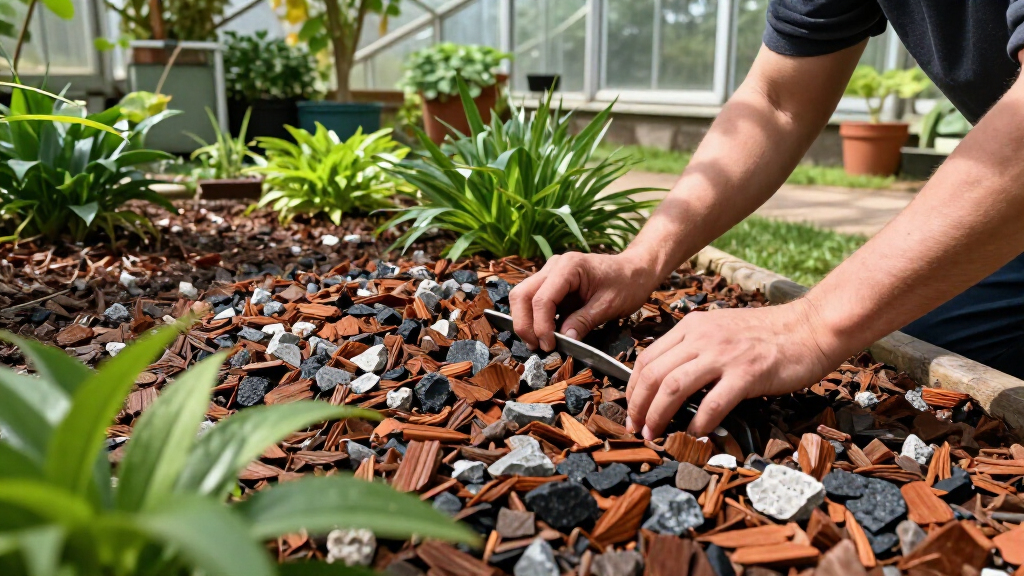
Gravel size shapes how heat is transferred and how much airflow exists around the stones. Small gravel, like pea gravel, packs tightly, creating a dense, continuous layer that conducts heat efficiently and leaves little room for shade between stones. This means heat can pass directly from the stones to the soil, potentially raising soil temperatures more rapidly, which can be beneficial in cooler mornings but problematic in extreme heat.
Large river rocks or cobbles have larger air gaps, which can limit direct heat transfer from the stones to the soil but store more heat themselves. These gaps can cast localized shade, cooling the soil surface, but the stones can also soak up and hold onto heat for hours, releasing it slowly during cooler periods. This can help moderate temperature swings, providing a buffer against rapid heating and cooling.
Mixing sizes packs the best of both worlds—dense enough to transfer heat but with enough gaps to create shade and airflow. For example, a garden with a mix of 1-inch and 3-inch stones might balance daytime cooling with nighttime warmth, offering a strategic advantage for plant health and water conservation.
As an affiliate, we earn on qualifying purchases.
Layer depth: How thick should your gravel mulch be for the best soil temperature control?
The depth of your gravel layer is a balancing act with significant implications. A thin layer, such as less than 1 inch, may become scorching hot quickly, transmitting intense heat directly to your soil and roots, which can stress plants and increase evaporation. Conversely, a deeper, continuous layer acts like a thermal buffer—moderating temperature swings and preventing rapid heating or cooling, which is especially beneficial in climates with high diurnal temperature variations.
In desert gardens, 2 to 3 inches (5-8cm) of gravel often provides a practical balance: enough to shield soil from direct sun and reduce temperature fluctuations, yet not so deep as to hinder drainage or root access. Going deeper, such as 4-6 inches, can insulate the soil more effectively, maintaining more stable temperatures during extreme heat or cold. However, excessively thick layers may impede plant growth, restrict aeration, and cause water runoff issues.
Choosing the right depth depends on your specific climate, plant types, and gravel size. For example, in a hot, arid environment, a 3-inch layer might be optimal, while in cooler regions, a slightly thicker layer could help retain warmth. Always consider tradeoffs: deeper layers improve temperature stability but might challenge plant roots and water movement.
As an affiliate, we earn on qualifying purchases.
Daytime hot, nighttime warm: How gravel mediates soil temperature swings
Gravel acts like a thermal sponge—absorbing heat during the day and releasing it at night. Dark gravel can push soil temperatures higher in the afternoon, sometimes by 10-15°F (5-8°C). But that stored heat often keeps soil warmer after sunset, reducing the risk of cold snaps that can damage plants. This effect can extend the growing season for heat-loving plants and help maintain more consistent moisture levels.
For example, a dark gravel bed might reach 130°F (54°C) at midday but stay above 60°F (15°C) overnight, providing a warmer environment for plants that prefer consistent warmth. Light-colored gravel, however, tends to reflect sunlight and stay cooler all day, with less heat stored for the night, which can be advantageous in preventing heat stress during extreme summer heat.
Keep in mind: the actual effect depends on layer thickness, soil moisture, and weather conditions. A moist soil under dark gravel can stay cooler than dry soil, even with the same surface temperature, highlighting the importance of considering irrigation and soil health in tandem with gravel choices.
As an affiliate, we earn on qualifying purchases.
Measuring what really matters: Surface temperature vs. root-zone heat
Infrared thermometers read the surface of the gravel, but that’s just the tip of the thermal iceberg. The real concern is how much heat reaches your roots. Surface stones can be blazing hot, but several centimeters below, soil may stay cool or warm depending on moisture and layer depth. This means that just measuring surface temperature can be misleading—what matters most is the temperature at the root zone where plants absorb water and nutrients.
For example, a thermometer might read 125°F (52°C) on a black gravel surface on a summer afternoon. Yet, just 2 inches below, soil might be only 80°F (27°C) if it’s moist or shaded, which is much safer for plant roots. This difference can determine plant health and survival, especially in extreme climates.
To truly understand your landscape’s energy balance, measure temperatures at multiple depths, especially at root zone level. Using probes or soil thermometers at different depths provides a clearer picture of how well your gravel layer moderates heat and helps you make informed decisions about plant placement, watering, and mulch choices.
Moisture matters: How water changes gravel’s thermal behavior
Water is a heat buffer—wet soil warms and cools more slowly than dry soil. Gravel can help conserve moisture by shading soil and reducing evaporation, but if gravel gets wet, it conducts heat differently than when dry. Wet gravel darkens in color, absorbing more sunlight and potentially increasing soil temperatures, especially if it’s dark-colored gravel. Conversely, moist soil beneath gravel can stay cooler longer, particularly during hot days, because water’s high specific heat capacity absorbs and retains heat more effectively.
In drought-prone areas, maintaining some moisture in soil or adding organic mulch atop gravel can help regulate temperature extremes, preventing the soil from overheating during the day and cooling too rapidly at night. Additionally, moisture can improve the thermal conductivity of gravel, allowing it to act as a more effective heat moderator, reducing stress on plants.
Managing soil moisture levels by proper irrigation and mulching techniques enhances the thermal benefits of gravel, creating a more stable environment for plant roots and reducing water loss.
Climate and season: When gravel heats up or cools down
The local climate and season shape how gravel influences soil temperature. In hot, sunny summers, dark gravel can intensify heat around shallow roots, risking stress or damage, especially during heatwaves. Pale gravel may moderate that heat, but it can also delay spring warming, which might be a drawback in cooler climates. Conversely, in cooler regions, dark gravel can help extend the growing season by retaining heat overnight, supporting plants that need warmth to thrive.
During winter, gravel might absorb some sun, but snow cover generally insulates soil more effectively. The seasonality of temperature fluctuations means that the same gravel type can have different effects depending on the time of year and climate conditions, requiring gardeners to adjust their choices accordingly.
For example, a garden in Arizona might see soil temperatures under dark gravel soar to 130°F (54°C) in July, risking plant stress, whereas a similar garden in a cooler zone might benefit from that heat retention into early fall, promoting growth. Understanding these seasonal dynamics helps in selecting the right gravel for your specific climate and optimizing plant health year-round.
Practical tips for managing soil temperature with gravel in your desert garden
- Choose light-colored gravel for hot, sunny sites to reflect sunlight and keep roots cooler.
- Use a layer of 2-3 inches for good coverage without harming drainage or roots.
- Mix gravel sizes to balance shade and heat conduction.
- Place shade trees or structures to block afternoon sun on gravel beds.
- Monitor soil temperature at root depth regularly, especially during heat waves.
Frequently Asked Questions
Does black gravel make soil hotter?
Yes, black gravel absorbs more sunlight and can raise surface and root-zone temperatures during hot days. However, the actual impact depends on layer thickness, moisture, and how long the sun shines on it.
Is white gravel always cooler?
White gravel reflects sunlight, often keeping the surface cooler. But dust, weathering, and nearby reflective surfaces can increase heat transfer, so it’s not a guarantee of cooler soil.
Which stays cooler: pea gravel or large river rocks?
It varies. Small gravel packs tightly and conducts heat more evenly, while large stones cast shade and store heat. The best choice depends on your specific climate and landscape goals.
How thick should gravel mulch be?
Generally, 2-3 inches (5-8cm) provides good coverage without obstructing drainage. Adjust depth based on gravel size, plant roots, and climate conditions.
Can gravel burn plant roots?
Hot gravel can contribute to root heat stress, especially around shallow roots or dark stones. Measuring surface temperature alone isn’t enough—check soil at root zone for real impact.
Conclusion
Remember, gravel isn’t just a pretty face in your landscape. It’s a powerful tool to manage heat, conserve water, and protect roots—if you understand how its size and color work together. Next time you lay down new gravel, think about how it will shape your garden’s energy dance.
A carefully chosen layer can turn a blazing summer into a season of thriving plants and happy roots. Your desert garden’s secret weapon isn’t just the plants—it’s how you use the stones beneath them.
Fall Picks
fall essentials
As an affiliate, we earn on qualifying purchases.