TL;DR

Get garden gear delivered free with Prime
- Fast, free delivery on millions of items
- Prime Video, Amazon Music and more included
- Member-only deals all year
Ground squirrels often burrow beneath walls and beds, risking structural damage and disease spread. Humane eviction involves identifying active burrows, verifying vacancy, excluding animals, and repairing entrances, all while avoiding harmful methods like poison or fumigation.
When a ground squirrel pops up where you least want it—under a wall or a garden bed—you know it’s more than just an annoyance. These burrowing animals can compromise foundations, undermine garden beds, and even cause structural cracks. But rushing to trap or kill often makes matters worse, especially if you want to stay humane and avoid legal trouble.
This guide walks you through a clear, practical process to identify, verify, and gently encourage ground squirrels to leave, while protecting your property and avoiding unintended harm. Whether you’re facing a small tunnel or a complex underground system, knowing what to do keeps your approach safe, effective, and kind.
Verify activity with cameras or trail sensors before acting to avoid trapping or harming animals unnecessarily.
Remove food sources like spilled seed and pet food to make your yard less attractive to ground squirrels.
Use underground mesh and physical barriers to block burrows without risking entrapment or structural damage.
Avoid quick fixes like flooding, chemicals, or traps that can harm wildlife or cause property damage.
Regular monitoring and habitat management are key to long-term, humane control of ground squirrel burrowing.
How to Tell If a Ground Squirrel Is Living Under Your Walls or Bed
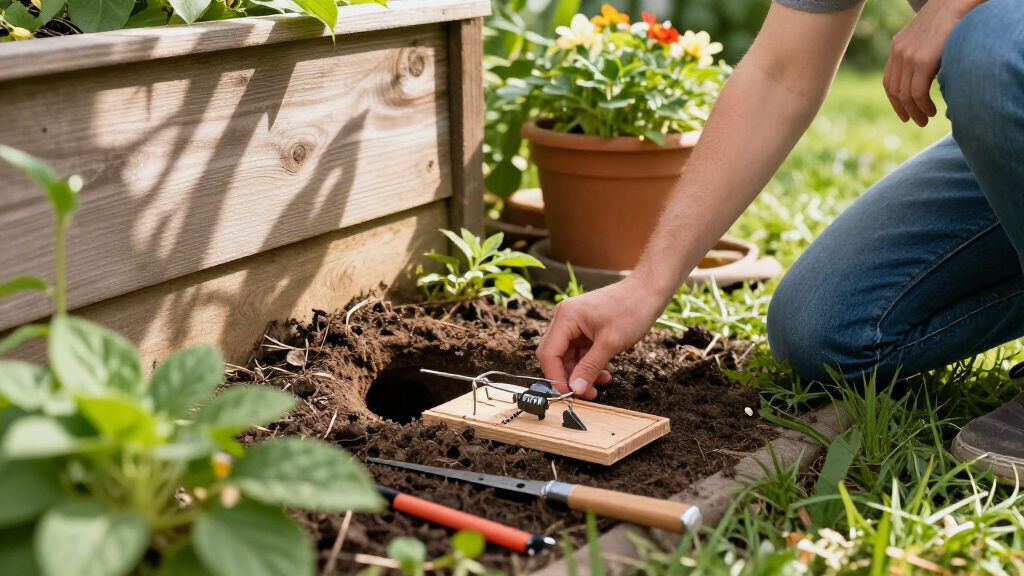
Ground squirrels are clever diggers. Their burrows show up as jagged, loose soil near foundations, garden beds, or under walls. Look for fresh soil piles, especially after rain, and tiny tracks or droppings nearby. During daytime, you might even see the squirrel darting in or out of multiple entrances.
For certainty, set up a motion-activated camera or place a loose piece of paper over the entrance. Check it after a day or two. If it’s disturbed or moved, the burrow is active. Remember, other animals like mice or chipmunks may leave similar signs, so visual confirmation helps.
Understanding these signs matters because it helps you determine whether the burrow is currently inhabited, which influences your next steps. Acting on an inactive burrow might lead to unnecessary disturbance or failed exclusion efforts. Accurate identification ensures that your efforts are targeted and humane, reducing stress on the animals and preventing damage to your property.
ground squirrel humane exclusion kit
As an affiliate, we earn on qualifying purchases.
As an affiliate, we earn on qualifying purchases.
Can You Really Know If Young Are Inside Before Sealing the Entrance?
Absolutely. Ground squirrels breed in spring and summer, and their young stay underground for several weeks. If you suspect breeding, avoid sealing or installing one-way doors until you’re sure no dependent young are inside. Signs include fresh, soft soil around a burrow entrance and the absence of adult activity during peak daylight hours.
Consulting a wildlife professional or rehabilitator is wise—they can advise on timing and whether to wait. Moving too quickly risks trapping babies or separating mothers from their young, which isn’t humane or effective.
Understanding the presence of young is crucial because sealing a burrow with dependent young inside can cause suffering or abandonment of the young, and may lead to more complex problems if the animals are forced to find new, often more damaging, tunnels elsewhere. Proper verification ensures your humane approach is both ethical and effective, preventing unintended harm and long-term issues.
ground squirrel burrow detector camera
As an affiliate, we earn on qualifying purchases.
As an affiliate, we earn on qualifying purchases.
Simple Ways to Remove Attractions That Keep Ground Squirrels Coming Back
Ground squirrels are driven by food availability. For example, spilled birdseed or fallen fruit creates a tempting smorgasbord. If these attractants are left unchecked, squirrels will keep returning despite efforts to exclude them. Repairing leaks and irrigation issues helps because moist, soft soil is easier for them to tunnel through and can encourage further burrowing.
Imagine your yard as a restaurant for squirrels—if you remove the menu (food sources), they’re less inclined to stay. Clearing dense shrubbery or brush piles reduces hiding spots and makes your yard less inviting. These habitat modifications are cost-effective and non-invasive, but they matter because they address the root causes of repeated visits. If you think of your yard as a wildlife neighborhood, making it less appealing encourages animals to seek food elsewhere, reducing conflicts and promoting a more harmonious coexistence.
As an affiliate, we earn on qualifying purchases.
How to Protect Your Plants and Structures Without Harming Wildlife
Using physical barriers is your best move for humane exclusion. For garden beds, install rigid, corrosion-resistant mesh underground—at least 18 inches deep—and extend it beyond the edges to block digging. For example, if you have a vegetable garden or flower bed, imagine wrapping it with a sturdy metal screen that prevents squirrels from tunneling underneath. Use sturdy fencing around vulnerable plants or young trees, especially during peak activity seasons.
When dealing with walls or foundations, avoid pouring concrete into active burrows, as this can trap animals and cause structural damage. Instead, excavate carefully once you’re sure the squirrel has left, then reinforce with hardware cloth or welded wire to prevent re-entry. Think of it as installing a secure fence around your property—careful, targeted, and designed to keep animals out without harm.
Remember, plastic mesh is easily chewed through. Use metal or coated wire, and bury it at least a foot deep, with an apron extending outward to catch any new tunnels. Visualize this as laying a durable moat around your home’s foundation to block tunnels effectively and humanely.
wildlife humane trap for ground squirrels
As an affiliate, we earn on qualifying purchases.
As an affiliate, we earn on qualifying purchases.
What Common Methods to Avoid and Why They Fail
Many folks reach for quick fixes—flooding burrows, smoke bombs, or poison. These often backfire because they either cause more damage or are ineffective. Flooding can drown animals but also destabilizes soil and damages foundations, leading to costly repairs. Smoke or gas can be harmful to you and the environment, and often don’t reach all tunnel openings, leaving some animals trapped or forcing them to find new, potentially more damaging, exits.
Poison bait and traps pose safety risks, especially with children and pets around. Ultrasonic repellents lack credible evidence and tend to be ineffective. Sealing a burrow without confirming the animal’s departure might trap it alive underground, which isn’t humane or effective. For example, sealing an active tunnel might trap a mother squirrel and her babies, causing suffering and potentially leading to new, more hidden tunnels that are harder to find and manage.
The best approach? Focus on habitat management and physical exclusion—safe, reliable, and respectful of wildlife. These methods address the root cause rather than just the symptoms, ensuring long-term success without unintended consequences.
Using Technology to Confirm Activity and Avoid Mistakes
Remote cameras and trail sensors have made verifying activity much easier. Position a camera or a trail cam pointed at the burrow entrance. Check it over several days—if you see repeated visits during daylight, you know the system is active. When activity stops, you can proceed with confidence. For instance, observing consistent daytime visits suggests that the burrow is occupied, allowing you to time your exclusion efforts precisely.
This technology reduces guesswork, prevents unnecessary disturbance, and helps you avoid sealing or trapping animals prematurely. It’s a game-changer because it provides concrete evidence of activity, much like a wildlife detective gathering clues before making a move. This targeted approach minimizes stress on the animals and increases the likelihood of a humane and successful eviction.
Step-by-Step: The Humane Eviction Process You Can Follow
- Identify all active entrances with observation or cameras.
- Check for signs of dependent young—soft soil, fresh droppings, or absence of adult activity.
- Remove attractants—spilled seed, fallen fruit, and accessible pet food.
- Protect your plants with mesh barriers or fencing.
- Install one-way doors only if all entrances are known and no young are present.
- Monitor the burrow for several days to confirm inactivity.
- Once confirmed empty, carefully backfill tunnels and reinforce entrances with wire mesh.
- Continue checking for new activity for several weeks, repairing and adjusting as needed.
This gentle, step-by-step approach minimizes stress on the animals and protects your property. For example, waiting until you see no signs of activity for a full week ensures that the squirrels have truly vacated, reducing the risk of trapping or causing abandonment issues.
Special Tips for Walls and Beds: Keep Foundations Safe and Animals Out
For walls and foundations, focus on preventing access points. Use underground mesh as an apron to seal gaps. For instance, installing a metal barrier around the base of your foundation can prevent tunneling. Don’t build concrete or pour into active burrows—this traps animals and damages your structure. Instead, excavate carefully once the squirrel has left, then reinforce with wire mesh to prevent future entry. Think of this as creating a secure moat that keeps animals out without harming them.
For garden beds, install a sturdy, snake- and rodent-proof mesh at least 18 inches deep, especially around bulbs or young plants. Raising beds slightly or creating a barrier can discourage digging. If you notice cracks or leaning walls, it’s wise to call a professional to assess potential foundation issues, as burrowing can weaken structural integrity over time. Always verify activity first—blindly covering or blocking burrows can trap or harm wildlife, making the problem worse.
What Not to Do When Dealing with Ground Squirrels
Avoid these common mistakes:
- Flooding or flooding with chemicals—destabilizes soil and may drown animals, but causes damage and is unsafe. For example, flooding a tunnel might seem effective but can compromise your foundation and lead to costly repairs, and may not eliminate the squirrel.
- Using harmful household chemicals like mothballs or ammonia—these are ineffective and can be toxic to pets and kids. Such substances might repel temporarily but do not solve the problem and pose health risks.
- Relying on ultrasonic repellents—lack scientific backing and usually don’t work. They may be a waste of money and give false confidence.
- Sealing an active entrance without confirming animals have left—can trap and harm them underground, potentially causing suffering or encouraging animals to find new, more hidden tunnels, making future control harder.
- Relying solely on poison bait—high risk for children, pets, and wildlife predators, and can lead to secondary poisoning of predators or scavengers.
Stick to habitat modification, physical exclusion, and humane trapping if necessary. These methods are safer, more effective, and align with humane wildlife management principles.
How Wildlife Management Is Changing for the Better
Today’s wildlife management favors integrated, humane strategies. Using remote sensors and cameras to verify activity reduces unnecessary trapping or poisoning. Habitat adjustments and exclusion are now the main tools. For instance, rather than indiscriminately trapping, professionals now rely on data from cameras to confirm activity, ensuring humane and targeted removal.
Many jurisdictions restrict poisons and traps to protect non-target animals and prevent secondary poisoning of predators like hawks or coyotes. Fertility control is a growing field but isn’t yet practical for most homeowners. These changes reflect a shift toward more ethical and ecologically responsible practices, reducing harm to wildlife while effectively managing nuisance animals.
Staying informed about local laws and consulting licensed professionals ensures you handle squirrel problems legally and humanely. This approach not only benefits the animals but also aligns with community standards and conservation efforts.
Frequently Asked Questions
How can I tell whether a burrow is active?
Look for fresh soil, tracks, or droppings near the entrance. Setting up a trail camera or placing a small piece of paper to see if it’s disturbed over a few days offers clear evidence of activity.
Can a ground squirrel damage my foundation?
Yes, they can remove soil from beneath shallow slabs or footings, leading to cracks or sinking. If you notice leaning walls or uneven floors, consult a professional for assessment.
Is it safe to fill a burrow immediately?
No. Only fill once you’ve confirmed the burrow is empty. Sealing an active burrow risks trapping the animal or forcing it to dig a new, more damaging exit nearby.
Will water from a hose make the squirrel leave?
Probably not. It may drown or flood young, but it can also erode soil and damage foundations. It’s not a reliable humane method and can cause more harm than good.
Are mothballs, ammonia, or ultrasonic repellents effective?
These methods are generally ineffective. They can be toxic or unsafe, and don’t address the root of the problem—habitat and access points. Focus on exclusion and habitat modification instead.
Conclusion
Dealing with ground squirrel burrows under walls and beds doesn’t have to mean harm or destruction. With patience, careful verification, and sturdy exclusion, you can gently encourage these clever diggers to find new homes—without risking your foundation or wildlife safety.
Think of your yard as a puzzle—each piece, from food sources to barriers, plays a role. When combined thoughtfully, they keep your home secure and wildlife happy outside where they belong.
Halloween Picks
halloween
As an affiliate, we earn on qualifying purchases.