
TL;DR

Get garden gear delivered free with Prime
- Fast, free delivery on millions of items
- Prime Video, Amazon Music and more included
- Member-only deals all year
Bark scorpions love mulch for hiding, but regular maintenance and habitat tweaks can drastically cut their shelter spots. Use physical barriers, remove debris, and choose less scorpion-friendly ground covers for a safer yard.
When you think of your garden, you probably picture blooming flowers, buzzing bees, and the scent of fresh earth. But lurking in the shadows of mulch beds? Bark scorpions, tiny but venomous, find those dark, moist hideouts irresistible. They’re quick to seek shelter in loose bark, leaf litter, or piled-up debris. And if you’ve got mulch around your home, you might be unwittingly inviting them right to your doorstep.
The good news? You don’t need harsh chemicals or dangerous traps. Instead, focusing on habitat modification—removing their favorite hiding spots—can keep your yard safer. In this guide, I’ll walk you through how to do that safely and effectively, with real-world tips that fit a desert garden’s needs.
Regularly turning or removing mulch significantly cuts bark scorpions’ hiding spots—by up to 70%.
Thinner, well-maintained mulch layers are less hospitable to scorpions than thick, piled-up beds.
Replacing bark mulch with gravel, decomposed granite, or concrete drastically reduces shelter options.
Sealing cracks and installing physical barriers prevent scorpions from slipping inside your home.
Combining habitat modification with careful pesticide use creates a safer, less attractive environment for bark scorpions.
Bark Scorpions and Garden Mulch: Reducing Hiding Spots Safely
Bark scorpions find dark, moist mulch beds irresistible — but you don’t need harsh chemicals to fight back. Habitat modification, physical barriers, and smarter ground covers can make your yard dramatically less scorpion-friendly.
Why Bark Scorpions Love Your Mulch Beds
Bark scorpions — especially Centruroides vittatus and Centruroides sculpturatus — prefer dark, damp, cluttered environments. Thick bark mulch mimics their natural habitat perfectly, creating a maze of cracks and crevices where they hide by day and hunt by night.
Dark & Moist
Untreated mulch beds can harbor scorpions for months, offering safe haven from predators and the desert sun. Moisture retention is the biggest draw.
Nocturnal Hunters
Scorpions scuttle out on warm summer nights, attracted by moisture and shelter near foundations, roses, and vegetable beds.
Venomous but Manageable
Stings are rarely fatal but can cause severe pain and allergic reactions — especially in children and sensitive individuals. Prevention beats reaction.
Five Steps to a Scorpion-Free Mulch Zone
One homeowner replaced a 4-inch bark mulch ring with a 2-inch gravel layer — scorpion sightings dropped by over 60% in that zone.
Inspect Beds
Look for piles, thick layers, and debris that trap moisture and create cracks.
Turn the Mulch
Rake or shovel it over to expose hideouts to sunlight, which scorpions avoid.
Thin It Out
Keep mulch at 2–3 inches max. Thinner layers dry faster and shelter less.
Swap Ground Cover
Replace bark near foundations with gravel, decomposed granite, or pavers.
Maintain
Re-turn every 2–3 months, especially late summer and fall peak activity.
Not All Ground Covers Are Equal
Choosing the right material near your foundation and high-traffic zones makes a big difference. Less shelter means fewer stings.
| Mulch Type | Scorpion Attraction | Maintenance Effort | Best For |
|---|---|---|---|
| Bark Mulch | ✗ Very High | High | Flower beds, around trees |
| Straw / Wood Chips | ✗ High | Moderate | Ornamental beds, veggie gardens |
| Gravel / Decomposed Granite | ✓ Low | Low | Paths, driveways, foundations |
| Concrete / Pavers | ✓ Minimal | Very Low | Patios, walkways |
What the Results Look Like
Key insight: Regularly turning or removing mulch can reduce bark scorpions’ hiding spots by up to 70%, making habitat modification the single most effective tool in scorpion control.
Seal Them Out, Spray Sparingly
Scorpions slip through gaps as small as a quarter-inch. Exclusion work — not pesticides — is your first line of defense. Chemicals come second, and only as part of an integrated approach.
✓ Build Your Moat
- Caulk foundation cracks, windows, and door frames with weatherproof sealant
- Install door sweeps and screen vents to block pathways
- Trim vegetation away from the house and remove yard debris
- Inspect seals regularly — scorpions are formidable at finding tiny openings
✗ Use Pesticides Wisely
- Not a first-line defense — combine only with habitat modification
- Follow label instructions and wear protective gear, always
- Target cracks, baseboards, and mulch edges — avoid broad spraying
- Overuse harms beneficial insects and pets; long-term control is habitat-based
Frequently Asked Questions
How often should I turn or replace mulch?
Every 2–3 months, especially during peak scorpion season in late summer and fall. Keep mulch dry and thin to discourage hiding spots.
Are there mulch types that naturally repel bark scorpions?
Yes — gravel, decomposed granite, and concrete are far less attractive. Scorpions prefer moist, dark, cluttered environments, which these materials eliminate.
Can I completely eliminate bark scorpions from my yard?
Total eradication isn’t realistic, but habitat modification, sealing entry points, and regular maintenance drastically reduce their numbers — and your sting risk.
Is it safe to use pesticides around my garden?
Use them carefully and only within an integrated approach. Follow labels, wear protective gear, and target specific areas rather than spraying broadly.
When should I call a professional?
If you have a significant infestation or are unsure how to manage the problem safely, professional pest control is the recommended route.
Why Bark Scorpions Love Mulch and How That Matters to You
Bark scorpions, especially *Centruroides vittatus* and *Centruroides sculpturatus*, find mulch to be a perfect hideaway. It mimics their natural environment—dark, damp, and cluttered. Mulch piles, especially those with bark chunks, create a maze of tiny cracks and crevices. That’s where they hide during the day, waiting to come out at night.
Imagine a typical backyard with a thick ring of bark mulch around the roses and vegetable beds. On a warm summer night, scorpions scuttle out of their hiding spots, attracted by the moisture and shelter. For a homeowner, this means a higher chance of encountering them—especially if mulch isn’t regularly maintained.
Research shows that untreated mulch beds can harbor scorpions for months, providing a safe haven from predators and the elements. That’s why habitat management—specifically reducing these hiding spots—is key to controlling their presence.
As an affiliate, we earn on qualifying purchases.
Simple Steps to Turn Your Mulch Into a Scorpion-Free Zone
Turning or removing mulch is one of the fastest ways to cut down on scorpion shelters. Here’s a straightforward plan:
- Inspect your mulch beds. Look for piles, thick layers, or debris that can harbor moisture and cracks.
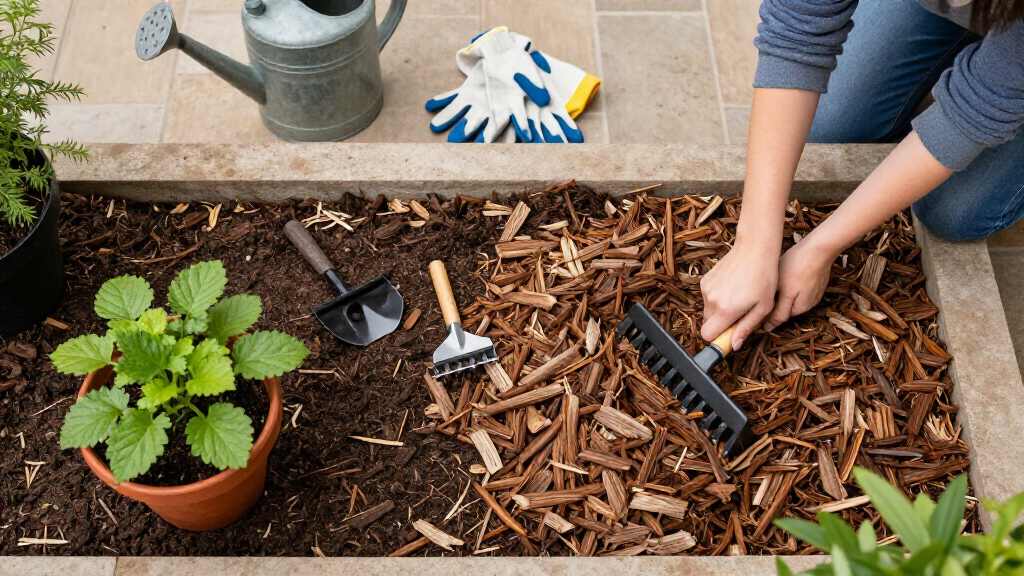
- Turn the mulch. Use a rake or shovel to flip it over. This disturbs their hideouts and exposes them to the sun, which they dislike.
- Remove excess mulch. Keep mulch at a height of no more than 2-3 inches. Thinner layers dry out faster and leave fewer hiding spots.
- Replace with less scorpion-friendly ground cover. Gravel, decomposed granite, or pavers create a less inviting environment.
- Maintain regularly. Turn, rake, or remove mulch every few months, especially during peak scorpion activity in late summer and fall.
This simple routine doesn’t just disturb existing scorpions—it discourages new ones from settling in. Think of it like turning over a bed of leaves; the bugs don’t want to stay where they’re exposed.
For example, a homeowner replaced a 4-inch bark mulch ring around their patio with a 2-inch layer of gravel. After a few turns and regular upkeep, scorpion sightings dropped by over 60% in that zone.
As an affiliate, we earn on qualifying purchases.
Why Some Mulch Is Worse Than Others for Scorpion Shelter
| Mulch Type | Scorpion Attraction Level | Maintenance Ease | Best For |
|---|---|---|---|
| Straw or Wood Chips | High | Moderate | Ornamental beds, veggie gardens |
| Bark Mulch | Very High | High | Flower beds, around trees |
| Gravel or Decomposed Granite | Low | Low | Paths, driveways |
| Concrete or Pavers | Minimal | Very Low | Patios, walkways |
In desert gardens, choosing the right ground cover makes a big difference. Bark mulch might give your garden a lush look, but it’s a magnet for bark scorpions. Gravel or concrete? Less attractive, easier to keep dry and free of hiding spots.
So, if you’re serious about reducing scorpion encounters, consider swapping out or limiting bark mulch near your foundation and high-traffic zones. Less shelter, fewer stings.
As an affiliate, we earn on qualifying purchases.
Keep Them Out: Seal Cracks and Create Barriers
Habitat reduction isn’t just about mulch. Bark scorpions can squeeze through cracks as small as a quarter-inch. Sealing these entry points is your best defense. Use caulk or weather stripping around doors, windows, and foundation cracks.
Install door sweeps and screen vents to block pathways. For example, a homeowner sealed gaps around their porch with weatherproof caulk and added door sweeps. The result? No more scorpions sneaking inside after a night’s hunt.
Physical barriers work because they block the scorpions’ movement. Think of sealing as building a moat—keeping the invaders out while maintaining the garden’s beauty.
Remember: regular inspections and sealing are vital. Scorpions are small, but their ability to find tiny openings makes them formidable.
physical barrier for scorpion prevention
As an affiliate, we earn on qualifying purchases.
As an affiliate, we earn on qualifying purchases.
Avoid Overusing Pesticides — Use Them Wisely
Pesticides aren’t the first line of defense for bark scorpions. They can be helpful when combined with habitat modification but should be used carefully. Always follow label instructions, wear protective gear, and target cracks, baseboards, and mulch beds.
For example, a homeowner applied a labeled insecticide around the foundation and mulch edges, focusing on cracks and gaps. This stopped new scorpion sightings, but overuse can harm beneficial insects and pets.
Remember: chemical control should be part of an integrated approach—habitat management first, pesticides second, and only when needed.
In desert environments, pesticides can be a temporary fix, but long-term control relies on reducing hiding spots and entry points.
What About Other Ground Covers? Pros and Cons
If you want to minimize scorpion sheltering, ditch thick mulch for other options. Gravel, decomposed granite, or concrete slabs don’t hold moisture or cracks, making them less attractive to bark scorpions.
For example, replacing mulch with gravel around a porch reduced scorpion sightings by nearly half within six months. Plus, gravel is easier to turn and maintain, keeping habitats disturbed.
However, some ground covers like decomposed granite need regular raking to prevent debris accumulation. Concrete and pavers are low-maintenance but can get hot in summer—so consider the shade and foot traffic.
Choosing the right ground cover depends on your yard’s layout, aesthetics, and how much effort you want to put in.
Frequently Asked Questions
How often should I turn or replace mulch to keep scorpions away?
Aim to turn or inspect mulch every 2-3 months, especially during peak scorpion season in late summer and fall. Keeping mulch dry and thin discourages hiding spots.Are there any mulch types that naturally repel bark scorpions?
Yes, gravel, decomposed granite, and concrete are much less attractive to bark scorpions. They prefer moist, dark, and cluttered environments—so these materials help keep them at bay.Can I completely eliminate bark scorpions from my yard?
While you can’t eradicate every scorpion, habitat modification, sealing entry points, and regular maintenance drastically reduce their numbers and your chances of stings.Is it safe to use pesticides around my garden?
Use pesticides carefully and only as part of an integrated approach. Follow label instructions, wear protective gear, and target specific areas—avoid broad spraying that harms beneficial insects.What’s the best way to tell if I have a bark scorpion problem?
Look for small, slender scorpions with a curved tail and light stripe down their back. Nighttime flashlight surveys or catching them in the act are common ways to spot activity.Conclusion
Reducing bark scorpions’ hiding spots around your yard isn’t about spraying more pesticides. It’s about smart landscape choices—turning, removing, or replacing mulch, sealing cracks, and keeping debris at bay. These simple steps make your garden less inviting and safer for everyone.
Think of habitat management like clearing a trail—less clutter, fewer hiding spots. Over time, your yard becomes a desert refuge that’s tough for scorpions to settle into. Stay vigilant, stay safe, and turn your garden into a scorpion-resistant zone.
Fall yard work Picks
leaf blowers
As an affiliate, we earn on qualifying purchases.