
TL;DR

Get garden gear delivered free with Prime
- Fast, free delivery on millions of items
- Prime Video, Amazon Music and more included
- Member-only deals all year
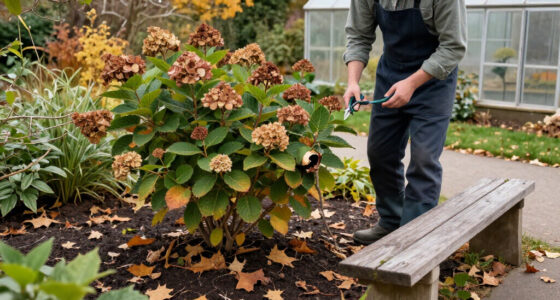
A Grow Organic report published Oct. 21, 2026, says summer grapevine pruning should focus on managing new growth rather than making major structural cuts. Gardeners can thin crowded shoots, guide growth along the trellis and remove selected leaves, while keeping enough foliage to support the vine and shade fruit.
Grow Organic published guidance on Oct. 21, 2026, recommending that home gardeners use summer grapevine pruning mainly to manage shoots and canopy growth, not to reshape the vine. The report says selective thinning and shoot positioning can help keep vines manageable, while excessive leaf removal can leave grapes vulnerable to intense sun and reduce foliage needed to support the crop.
The report distinguishes growing-season work from dormant-season pruning. Winter or early-spring pruning establishes the vine’s structure and influences crop potential. Summer work is lighter: growers can remove crowded, weak or unwanted shoots and keep productive shoots spaced through the canopy. Citing Penn State, Grow Organic says shoot thinning is best done while shoots are still short and easy to remove; the timing varies by climate and may extend into early summer.
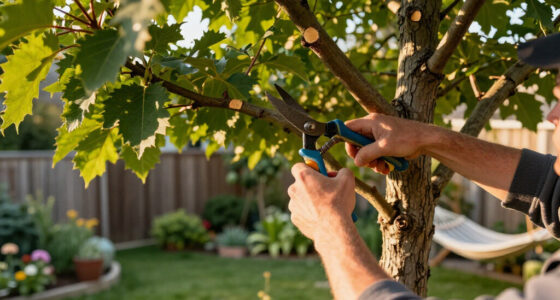
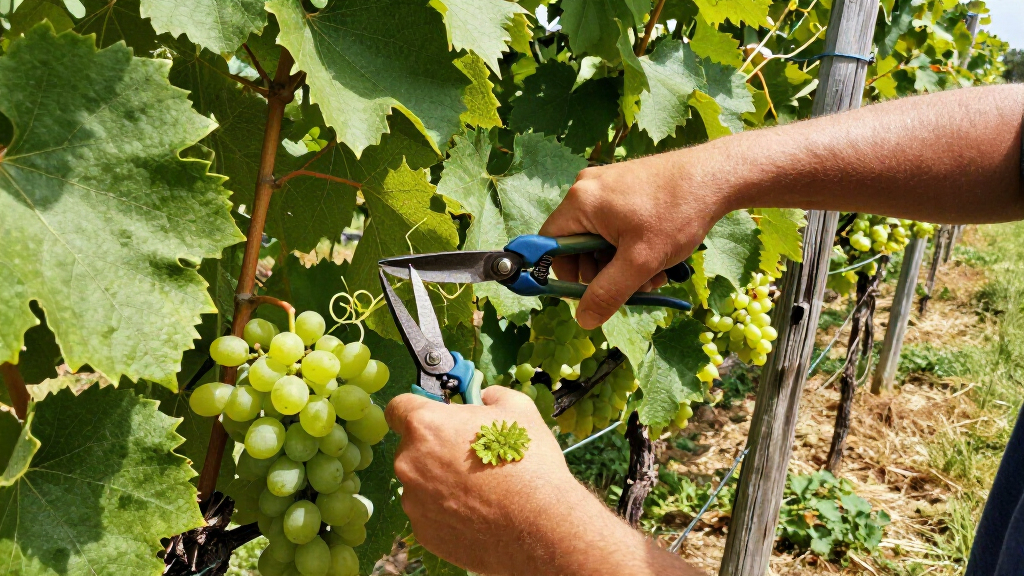
Gardeners are advised to guide remaining shoots along their trellis rather than allowing them to tangle, and to remove unwanted shoots from the trunk unless they are needed for renewal. The report recommends clean, sharp garden snips or pruning shears and careful cuts that avoid damaging permanent parts of the vine, including the trunk, cordon or cane. It cautions against applying one spacing rule to every cultivar or training system.
Leaf removal should be selective. Opening a dense canopy can improve light and airflow, but in hot conditions grape clusters may need shade to avoid sunburn. Some table grape varieties may benefit from cluster or berry thinning after fruit set; citing UC Integrated Pest Management, the report says this can help certain varieties produce fewer, larger berries. It does not recommend thinning every vine to a fixed number of clusters per shoot.
Balancing Canopy and Fruit
The practical issue for gardeners is balancing airflow and light with enough foliage to protect fruit and sustain vine growth. A tangled canopy can make clusters harder to inspect and maintain, while overly aggressive trimming can expose grapes to harsh afternoon sun. The report frames summer pruning as ongoing, selective management rather than repeated heavy cutting.
Crop decisions also affect what a vine can support. The appropriate number of clusters depends on variety, vine age, vigor and training system, according to the report. That makes observation more useful than applying a universal pruning formula: gardeners should assess how crowded the canopy is and whether fruit is exposed before removing shoots, leaves or clusters.
garden pruning shears for grapevines
As an affiliate, we earn on qualifying purchases.
As an affiliate, we earn on qualifying purchases.
Summer Work Versus Dormant Pruning
Grapevines are pruned at different points in the growing cycle for different purposes. Grow Organic says dormant pruning sets the vine’s main framework and crop potential, while summer pruning manages current-season growth. The article presents shoot thinning as an early growing-season task, timed to local conditions rather than a fixed calendar date.
The guidance is aimed at home gardeners and does not provide a single schedule for all regions or grape varieties. Trellis design and the vine’s growth habits also affect how shoots should be positioned. Summer maintenance extends beyond cutting: the report advises monitoring water, pests, fruit exposure and vine vigor, and says bird netting or other suitable barriers may help protect ripening grapes when used correctly.
“Summer pruning is mainly canopy management.”
— Grow Organic, in its Oct. 21, 2026 report
As an affiliate, we earn on qualifying purchases.
Timing Depends on Local Conditions
The report does not set a universal month, shoot spacing or cluster count for summer pruning. Climate, cultivar, trellis system and vine vigor all affect the appropriate approach, and the source does not supply region-by-region schedules. It also does not claim that thinning or leaf removal will produce the same results for every home vineyard.
How much foliage to remove depends on canopy density and local heat exposure. Gardeners should avoid assuming that more light is always better: the report warns that fruit exposed to intense afternoon sun may suffer sunburn. Specific pest or disease treatment recommendations are outside the pruning guidance provided.
As an affiliate, we earn on qualifying purchases.
Monitor Growth Through Ripening
After initial shoot thinning and positioning, gardeners can check the canopy as new shoots develop and make limited adjustments if it becomes crowded. They should watch whether clusters remain shaded in hot conditions, inspect fruit and foliage, and continue routine summer care rather than cutting on a fixed schedule.
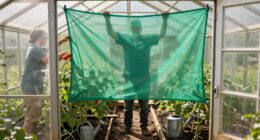
As grapes ripen, the report says bird netting or other fencing and netting may help protect the crop when used correctly. The next major pruning phase is dormant-season work, which serves a different purpose: maintaining the vine’s structure and regulating future growth. The source gives no specific regional dates for that work.
As an affiliate, we earn on qualifying purchases.
Key Questions
What should I remove when trimming grape vines in summer?
Focus on crowded, weak or unwanted shoots and guide the remaining growth along its trellis. Remove leaves selectively when the canopy is too dense, but keep enough foliage to support the vine and shade fruit where needed.
When should summer grapevine pruning be done?
There is no single month for every region. The report, citing Penn State, recommends thinning shoots while they are short and easy to remove; climate and vine development affect the timing, which may extend into early summer.
Should I remove leaves around grape clusters?
Only selectively. Opening an overly dense canopy can improve light and airflow, but removing too much foliage can expose clusters to sunburn, especially in hot areas. Keep fruit’s exposure and local weather in mind.
Do all grapevines need cluster thinning?
No. The report says some table grape varieties may benefit from thinning after fruit set, but crop load depends on cultivar, vine age, vigor and training system. It does not recommend a fixed number of clusters for every shoot.
Is summer pruning a substitute for dormant pruning?
No. Summer pruning manages current shoots and canopy density. Dormant pruning establishes and maintains the vine’s structure and affects crop potential, so the two tasks serve different purposes.
Source: rss
Fall yard work Picks
leaf blowers
As an affiliate, we earn on qualifying purchases.