TL;DR

Get garden gear delivered free with Prime
- Fast, free delivery on millions of items
- Prime Video, Amazon Music and more included
- Member-only deals all year
A Grow Organic report says most centipedes, millipedes, sowbugs and roly-polys are useful garden residents, not insects. Centipedes prey on small arthropods, while the others mainly break down decaying plant matter; some can occasionally harm seedlings or soft fruit in damp conditions. The report recommends identifying the animal and checking for actual damage before taking control measures.
A Grow Organic garden report says centipedes, millipedes, sowbugs and roly-polys are usually helpful residents rather than pests, though some may occasionally damage tender seedlings or soft fruit. Its practical advice is to identify the animal and look for actual plant damage before taking action, rather than treating a garden simply because these creatures are present.
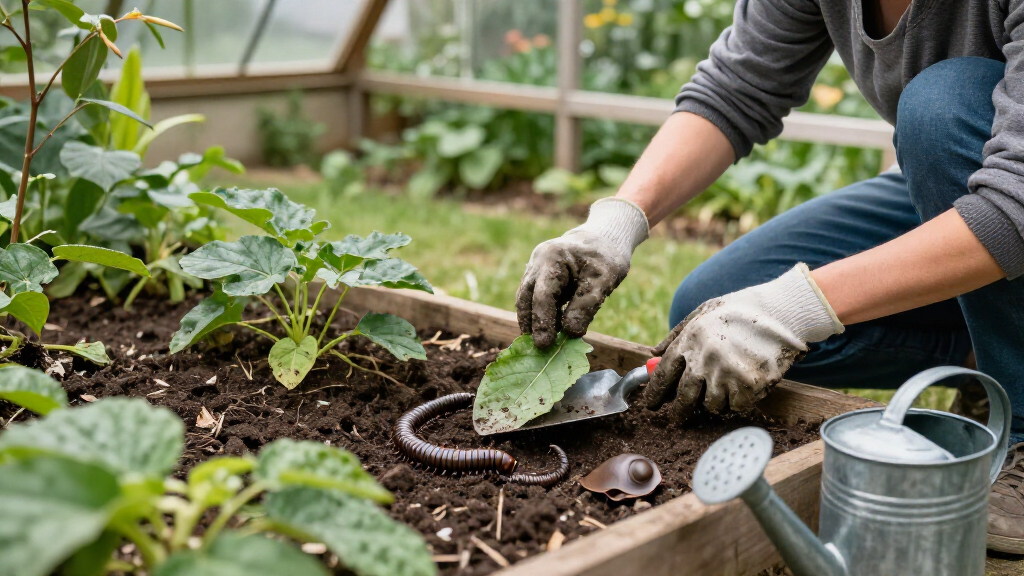
The animals occupy different roles. Centipedes are predators that hunt insects, spiders and other small arthropods. They do not normally feed on living plants, so their presence is generally not a sign of plant damage. The report describes garden centipedes as beneficial because they may help limit some pest populations.
Millipedes, pill bugs and sowbugs mainly feed on decaying plant matter, including dead leaves and rotting wood. They help break down organic material, but may sometimes eat tender seedlings. Sowbugs and pill bugs can also damage soft fruit touching damp soil, according to the report. Such feeding is presented as occasional, not as the usual effect of finding them in a garden.
Identification can help prevent unnecessary control. Centipedes have a flatter body, one pair of legs per leg-bearing segment and tend to move quickly. Millipedes are generally rounded and slow-moving, with two pairs of legs on most middle segments. Pill bugs and sowbugs are small land-dwelling crustaceans with seven pairs of legs; pill bugs can roll into a ball, while sowbugs generally cannot and have tail-like projections.
When Garden Residents Cause Damage
The distinction matters because blanket control can remove animals that perform useful roles. Centipedes hunt other arthropods, while millipedes and woodlice—another common name for sowbugs and pill bugs—help break down dead organic material. Their presence alone does not establish that plants are being harmed.
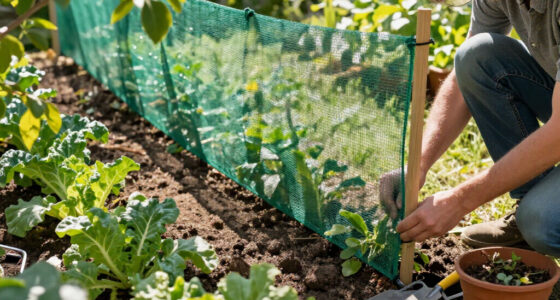
The report instead points gardeners toward evidence of a problem: visible damage to vulnerable seedlings or soft fruit, especially in damp conditions. If damage is occurring, reducing excess moisture and removing unnecessary hiding places may help. Protecting seedlings can also address the specific risk without treating every animal in the area as a pest.
As an affiliate, we earn on qualifying purchases.
How to Tell the Animals Apart
Centipedes and millipedes are myriapods; pill bugs and sowbugs are land-dwelling crustaceans. None are insects, despite searches or casual descriptions that may call them “bugs.” Many shelter in damp soil, leaf litter, compost, beneath stones or under mulch, where food and moisture are available.
House centipedes are a related indoor concern described in the report. They often shelter in damp places such as bathrooms, basements and crawl spaces, and hunt other arthropods. The report says adults usually have 15 pairs of legs. Most centipedes avoid people, but some may bite if handled or threatened, so unfamiliar ones should not be picked up.
The source is a Grow Organic informational report, not a new pest survey or a study measuring effects on garden yields. It offers general identification and management guidance; it does not establish how common these animals are in any particular garden or quantify their impact on pest populations and plants.
As an affiliate, we earn on qualifying purchases.
What the Report Does Not Measure
The report does not provide new field data, population estimates or measured rates of plant damage. Its descriptions are general guidance, so the degree of benefit or harm in a particular garden will depend on the species, local conditions and whether plants show damage. Color or body shape alone may not be enough to identify an unfamiliar species reliably.
It is also unclear from the source how often these animals cause the occasional seedling or fruit damage it describes. The report does not name a publication date in the supplied material or announce a policy change, research finding or new control product. Its main recommendation remains conditional: take action only after identification and evidence of a problem.
organic pest control for seedlings
As an affiliate, we earn on qualifying purchases.
As an affiliate, we earn on qualifying purchases.
Check for Damage Before Treating
Gardeners who find these animals can first identify what they are and inspect nearby plants. If there is no visible damage, the report says treatment is generally unnecessary. Where seedlings or fruit are being harmed, suggested steps include reducing excess moisture, clearing unnecessary damp debris and protecting vulnerable plants.
For larger populations or persistent damage, the report advises using Integrated Pest Management principles and consulting appropriate control guidance. Any pesticide or other control product should be used only according to its label, with the protective equipment and precautions stated there. The source does not specify a new follow-up report or a particular next release.
As an affiliate, we earn on qualifying purchases.
Key Questions
Are centipedes helpful in a garden?
Usually. The report says garden centipedes prey on insects, spiders and other small arthropods. They do not normally eat living plants, although unfamiliar centipedes should not be handled.
Do millipedes eat plants?
Millipedes mainly feed on dead leaves, rotting wood and other decaying matter. They may occasionally damage tender seedlings, particularly in damp conditions.
How can you tell a roly-poly from a sowbug?
A roly-poly, or pill bug, can roll into a ball when disturbed. Sowbugs generally cannot and have two tail-like projections.
Should these animals be treated when found?
Not just because they are present. The report recommends identifying the animal and checking for actual plant damage first. If intervention is needed, use an appropriate method according to its instructions and product label.
Source: rss
Halloween Picks
halloween
As an affiliate, we earn on qualifying purchases.