
TL;DR

Get garden gear delivered free — and shop member deals
- Fast, free delivery on millions of items
- Access to Prime Big Deal Days deals on October 6–7
- Prime Video, Amazon Music and more included
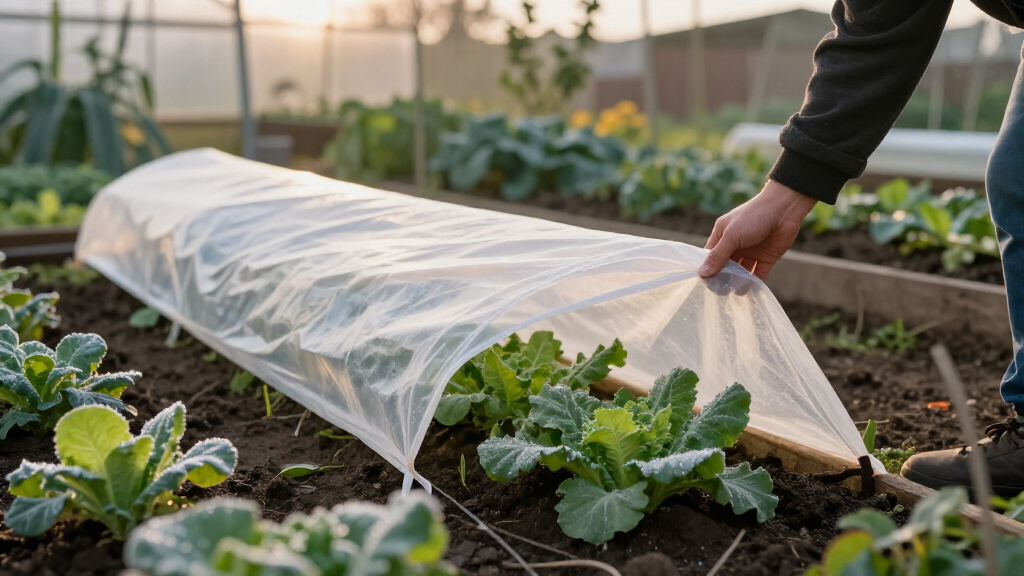
Floating row covers help protect plants during radiation frosts by holding some of the heat released from soil and limiting direct exposure to frost. Grow Organic advises covering plants to the ground and securing the edges; lightweight fabric may not be enough during strong winds or severe freezes.
Floating row covers protect plants from some frost damage by trapping heat that soil absorbed during the day and slowing its loss overnight, according to gardening guidance published by Grow Organic. The fabric also separates plants from direct exposure to frost, but how much protection it provides depends on the cover’s thickness, how it is installed and the weather conditions.
On a clear, calm night, the ground loses heat to the atmosphere after sunset. Grow Organic describes this pattern as a radiation frost: soil warmed by daylight releases heat gradually, and a row cover can help hold some of that warmth around plants. The cover forms a small, more stable microclimate rather than generating heat itself.
Installation affects how well the cover works. The report advises draping it down to the ground and securing the edges with soil, bricks or other weights to limit warm air escaping and cold air entering, as explained in this guide to how long frost cloth can stay on. It also recommends adding straw or compost mulch beneath the cover to help the soil retain heat. Covers should be removed or opened when temperatures rise during the day to reduce the risk of overheating.
Cover weight should match the crop and expected conditions, and the plants that need frost protection. Grow Organic lists lightweight fabrics such as Agribon AG-15 and AG-19 for light frosts, medium-weight AG-30 for cold-sensitive crops in milder winters, and heavier AG-50 or AG-70 for harsher conditions. These are product examples in the report, not a guarantee of a particular temperature increase or survival rate.
How Cover Choice Changes Protection
Frost damage can affect tender leaves and shorten the harvest period, while a correctly installed cover may give crops added protection during a cold night. For gardeners growing kale, carrots and spinach, the technique can also support winter growing or extend the season, as the source report describes. The practical value depends on matching the fabric and setup to local weather rather than treating every cold event as the same.
The limit is especially relevant when a forecast calls for a prolonged or severe freeze. Grow Organic distinguishes radiation frost from an advective freeze, in which a mass of cold air moves in, often with strong winds. Because that cold air replaces the relatively warmer air near the ground, a row cover may provide less protection than it does on a calm, clear night. The report says heavier or doubled covers can add insulation, but does not provide measured performance figures.
floating row covers for frost protection
As an affiliate, we earn on qualifying purchases.
As an affiliate, we earn on qualifying purchases.
Radiation Frost and Moving Cold Air
The source report’s recommendations rest on a basic difference in how cold reaches a garden. During a radiation frost, heat escapes from the ground on clear, calm nights. A cover can help retain some of the soil’s stored warmth around plants. In an advective freeze, moving cold air brings a broader drop in temperature, and wind can make it harder for a cover to maintain that warmer pocket.
For colder conditions, Grow Organic also describes supplemental approaches: plastic mulch to insulate soil, water-filled containers that release heat as they cool, and traditional incandescent Christmas lights near plants. It recommends using heavier or layered covers for extra insulation. These are suggestions from the report; their results will vary with placement, weather and garden conditions.
“Drape covers all the way to the ground to prevent warm air from escaping.”
— Grow Organic
As an affiliate, we earn on qualifying purchases.
Limits Depend on Local Conditions
The source does not give test data showing how many degrees of protection each cover weight provides, nor does it specify a temperature threshold at which plants will remain unharmed. Actual results may depend on crop type, soil moisture, wind, how tightly the edges are secured and how long the cold lasts. The report’s product-weight examples should not be read as a universal performance rating.
It is also unclear from the source which crops or garden situations would need additional measures beyond a cover. Gardeners facing a forecast freeze should use local forecasts and crop-specific guidance; a row cover should not be assumed to protect every plant under every condition.
As an affiliate, we earn on qualifying purchases.
Check Forecasts Before Covering
Before a cold night, gardeners can check whether conditions point to a calm radiation frost or a windy freeze, then choose a cover suited to the crop and forecast. Secure the fabric at ground level, add mulch if appropriate, and inspect plants and covers after the event. When daytime temperatures rise, open or remove covers to reduce overheating.
If severe cold is expected, the Grow Organic report suggests considering heavier or doubled covers alongside other heat-retention measures. The source does not establish that these methods will prevent damage in every freeze, so gardeners should monitor conditions and be prepared for losses where cold exceeds the protection available.
As an affiliate, we earn on qualifying purchases.
Key Questions
How do floating row covers protect plants from frost?
They help retain some heat released by soil overnight and reduce plants’ direct exposure to frost, creating a small microclimate around the crop.
Should a row cover touch the ground?
Grow Organic recommends extending the cover to the ground and securing its edges. This helps limit the escape of warmer air from beneath the fabric.
Which row cover weight should I use?
The report suggests lightweight covers for light frost, medium-weight fabric for cold-sensitive crops in mild winters and heavier fabric for harsher conditions. It does not give guaranteed temperature ratings for those categories.
Can row covers protect plants during a hard freeze?
They may add insulation, but the report cautions that an advective freeze with strong winds and incoming cold air is harder to manage. Heavier or layered covers and other heat-retention methods may be considered, but protection is not guaranteed.
Source: rss
Fall yard work Picks
leaf blowers
As an affiliate, we earn on qualifying purchases.