
TL;DR

Get garden gear delivered free — and shop member deals
- Fast, free delivery on millions of items
- Access to Prime Big Deal Days deals on October 6–7
- Prime Video, Amazon Music and more included
Some desert plants, like certain cacti and shrubs, tolerate frost. Others, especially succulents and agaves, need protection in cold weather. Choosing the right plants and microclimate tricks keep your desert garden thriving even when temperatures drop.
Many folks assume desert plants are invincible to cold because they thrive in scorching heat. But that’s not the full story. Some desert species are surprisingly tough, while others are delicate enough to need special protection when winter’s chill hits. Knowing which plants can handle the cold — and which can’t — saves you time, effort, and even money.
This guide clears up the confusion. I’ll show you which desert plants are frost-hardy, which need cover, and practical tips to keep your garden thriving through the cold snap. Whether you’re in zone 8 or zone 10, these insights help you grow resilient desert plants year-round.
Which Desert Plants Are Tough Enough to Handle Cold? Here’s the List
Some desert plants shrug off frost like a summer breeze. These are your go-to for cooler desert zones or if you want a low-maintenance garden that survives the occasional cold spell.
Here are the stars of the hardy crew:
- Opuntia spp. (Prickly Pear): These cacti often tolerate temperatures down to 20°F (-6°C). Their paddles are thick and fleshy, acting like insulation against frost.
- Creosote Bush: A desert shrub that can survive in freezing conditions, especially if well-drained and in a sheltered spot.
- Desert Willow: Not a true willow but a heat and cold-hardy shrub with beautiful, fragrant flowers, tolerant of light frosts.
- Texas Sotol: A tough, grass-like succulent that handles cold snaps better than many other desert perennials.
Imagine planting these in a zone 7 backyard: they survive your occasional frost without fuss, as long as they’re well-drained and not overly wet during cold spells.
According to Gardener AZ, these plants’ genetic makeup allows them to endure light to moderate frosts, especially when mature. Keep in mind, microclimate matters—sheltered spots extend their cold tolerance.
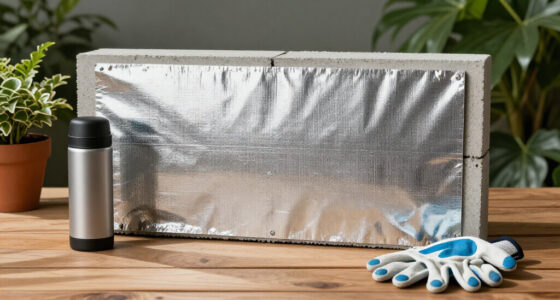
frost protection for desert plants
As an affiliate, we earn on qualifying purchases.
As an affiliate, we earn on qualifying purchases.
Why Some Desert Plants Throw in the Towel When It Gets Cold
Not all desert plants can handle the cold. Many succulents and agaves are sensitive to freezing temps because of their water-rich tissues. When frost hits, the water inside expands and can crack cells, leading to damage or death.
For example, Agave americana often struggles below 20°F unless protected. Its thick leaves are designed for heat, not freezing. Similarly, many aloe species, though tough in summer, turn soft and mushy after a freeze.
So, how do you tell if your plant is frost-sensitive? Look at its native habitat. If it’s from a hot, dry desert with little temperature variation, chances are it needs help during winter.
Gardener AZ notes that excess moisture during cold spells is a killer for succulents. Keep them dry and protected if temperatures are forecasted to drop below 25°F.
As an affiliate, we earn on qualifying purchases.
How to Protect Your Sensitive Desert Plants from Frost Without Overdoing It
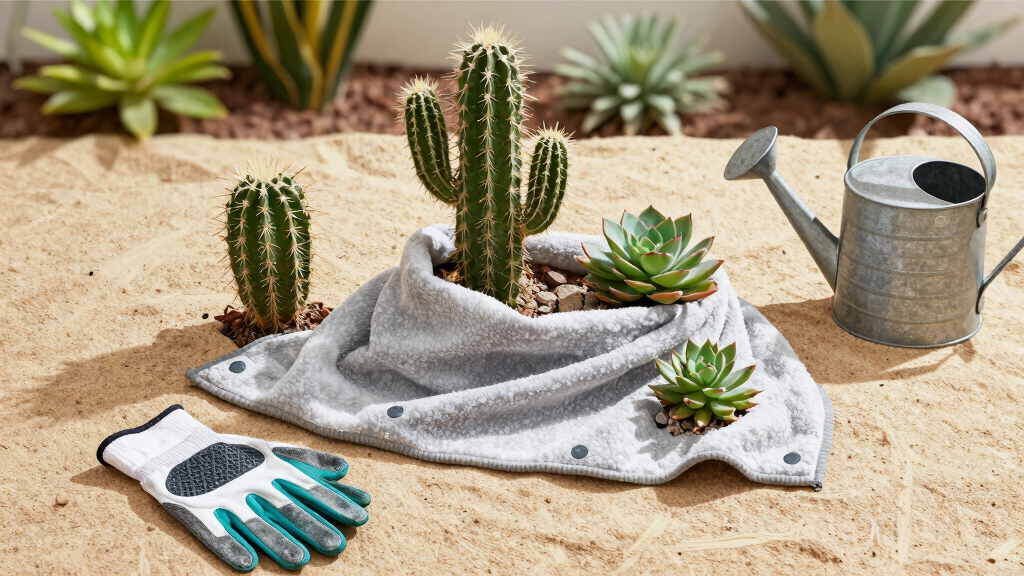
- Use frost cloths or blankets: Lightweight, breathable fabrics trap heat without suffocating the plant. Drape them over potted or in-ground plants during cold nights.
- Add mulch or straw: A 2-3 inch layer around the base insulates roots, especially for potted plants sitting on cold soil.
- Move potted plants indoors or to sheltered spots: Bring vulnerable plants inside your garage, shed, or under a porch when frost is forecasted.
- Create windbreaks or microclimates: Plant near structures, walls, or rocks that absorb heat during the day and release it at night, reducing frost risk.
- Water plants early in the day before a freeze: Moisture actually helps protect plants because the water releases heat slowly as it freezes, but don’t overwater—drain excess.
For example, last winter, I covered my prickly pear with an old sheet during a cold snap. It saved the paddles from getting mushy and blackened from frostbite.
Gardener AZ emphasizes that protective measures are most effective when used proactively—don’t wait until the cold hits to act.
As an affiliate, we earn on qualifying purchases.
How to Pick the Right Plants for Your Cooler Desert Zone
Choosing plants that naturally tolerate cold saves effort and stress. Look for species native to cooler desert regions or those bred for frost resistance.
Here’s a quick comparison:
| Plant | Hardiness Zone | Frost Tolerance | Notes |
|---|---|---|---|
| Opuntia spp. | 7-9 | Down to 20°F (-6°C) | Thick paddles insulate; drought-tolerant |
| Desert Willow | 6-9 | Light frosts; survives to 15°F (-9°C) if established | Fragrant flowers, drought-resistant |
| Agave americana | 8-11 | Susceptible below 20°F (-6°C) | Needs protection in cold zones |
| Yucca spp. | 6-10 | Down to 0°F (-18°C) | Very hardy; spiky leaves for water conservation |
Match your plant choices to your climate zone and microclimate. For example, a hardy yucca can survive your coldest nights, while an agave might need cover.
Gardener AZ recommends prioritizing native species or those with proven cold tolerance for reliable, low-maintenance growth.
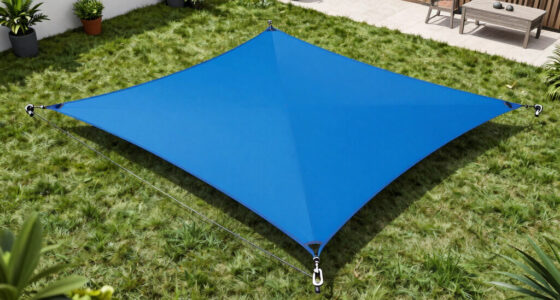
desert plant microclimate protection
As an affiliate, we earn on qualifying purchases.
As an affiliate, we earn on qualifying purchases.
Key Takeaways for Growing Desert Plants in Cooler Climates
- Know your plants’ hardiness: Not all desert plants are frost-sensitive. Choose species that match your zone.
- Protect vulnerable plants: Use frost cloths, mulch, and microclimates to shield sensitive species during cold snaps.
- Water wisely: Water early in the day to help plants build resilience, but avoid overwatering in winter.
- Select native or proven hardy plants: They’re more likely to survive cold conditions without extra fuss.
- Microclimates matter: Plant near walls, rocks, or structures that absorb and radiate heat, giving your plants a chilly-weather edge.
Frequently Asked Questions
How do I know if my desert plant is frost-hardy?
Check the plant’s native range and species info. Plants like prickly pear or yucca are naturally tough, while succulents like agave or aloe may need protection below 20°F. Observe how your plant reacts after cold nights—discoloration or mush indicates sensitivity.Can I grow desert plants in a cold climate without protection?
Yes, if you choose species like Opuntia, desert willow, or yucca that tolerate lower temperatures. Plant them in well-drained soil, in sheltered spots if possible. Using microclimates and protective covers during cold spells helps extend their survival.What’s the best way to protect my desert plants from frost?
Use frost cloths or blankets, mulch around the base, and consider moving potted plants indoors or into sheltered areas. Creating windbreaks and planting near warm surfaces like walls can also help keep temperatures above freezing.Are succulents always fragile when it gets cold?
Not always. Some succulents like certain echeverias or hardy yuccas can tolerate light frosts, especially if kept dry. However, most need protection below 25°F and should be carefully monitored during cold snaps.How can I tell if my plant needs frost protection?
Know your plant’s native climate and species traits. Watch the weather forecast and be prepared to cover or move plants if frost is expected. Signs of damage after cold nights include discoloration, mushy tissue, or blackened leaves.Conclusion
Growing desert plants in cooler climates isn’t a gamble if you pick the right species and give them some help during cold spells. Focus on hardy types like prickly pear and desert willow, and don’t be shy about using simple protective tricks.
Remember, a little planning and a few layers of frost cloth can turn your garden into a resilient oasis, even in winter. When temperatures drop, think of your plants as tough survivors—ready to handle the chill with a little help from you.
Halloween Picks
halloween
As an affiliate, we earn on qualifying purchases.