TL;DR
Gardening Know How published a guide to seven shade-tolerant perennials that can bring flowers or colorful foliage to garden beds in late summer and fall. The excerpt names Japanese anemone and toad lily; it does not include the other five selections or independently verify performance claims.
The article frames the plant list as a way to maintain interest in shaded beds into fall, but the supplied source text contains descriptions for only two of the seven plants. Gardening Know How describes Japanese anemone (Anemone × hybrida) as producing white or soft pink flowers on tall stems from late summer through fall, depending on cultivar. The guide recommends partial shade, moist, humus-rich soil with good drainage, and USDA zones 4–8.

Get garden gear delivered free with Prime
- Fast, free delivery on millions of items
- Prime Video, Amazon Music and more included
- Member-only deals all year
Gardening Know How’s second detailed profile is toad lily (Tricyrtis hirta), which the article says flowers from late summer into mid-fall. Its star-shaped, speckled flowers are described as purple, pink or white. The guide recommends partial to dappled shade, zones 4–8, and consistently moist, rich soil. It suggests placing the plant near paths or borders where its small flowers can be seen closely.
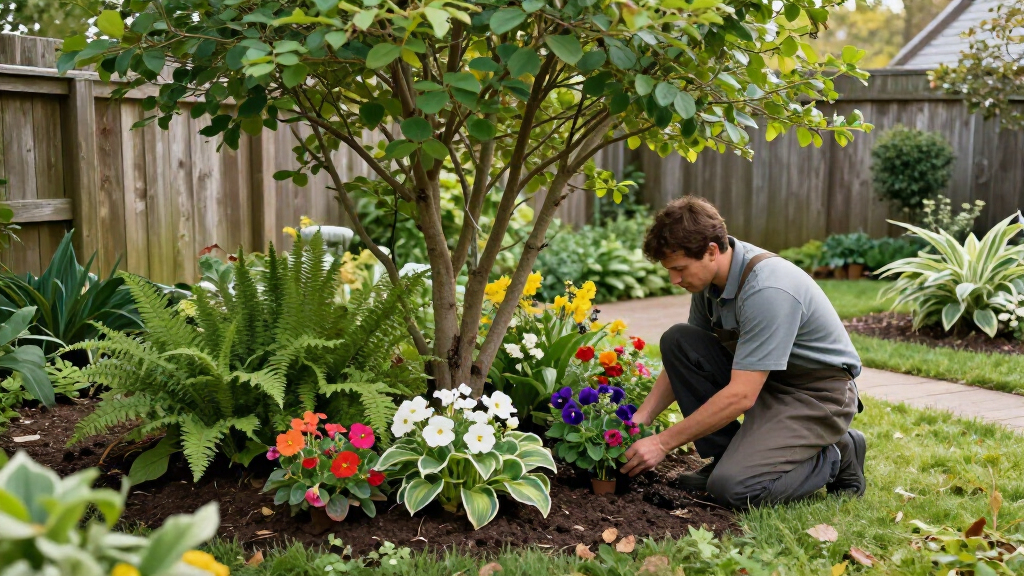
For shade beds generally, the article advises gardeners to account for differences between deep shade and areas receiving dappled or partial light. Gardening Know How also recommends improving soil with organic matter, maintaining drainage and continuing to water while plants establish. These are the publication’s recommendations; the supplied excerpt does not provide trial results or independent evidence comparing the plants.
Keeping Shade Beds Colorful in Fall
The guide addresses a common seasonal gap in shaded gardens: plants chosen for spring or summer flowers may stop blooming before the growing season ends. Its recommendations point readers toward late-flowering perennials and plants with foliage interest, extending the period when a low-light border has visible color.
The advice is conditional rather than a guarantee. Flowering depends on the plant’s cultivar and growing conditions, and the source emphasizes that shade ranges from dense canopy cover to dappled light. Soil moisture and drainage also matter, particularly as temperatures cool. Readers can use the plant profiles as a starting point, while checking that a selection suits their location and garden conditions.
Popular right now

Bose QuietComfort Ultra Headphones Gen 1, Lunar Blue

Vitamix 5-Speed Immersion Blender, 625-Watt, Stainless Steel/Black

KitchenAid 5.5-Quart Bowl-Lift Stand Mixer, Porcelain White
As an affiliate, we earn on qualifying purchases.
Light and Soil Shape Plant Choices
Gardening Know How says shade gardens can include deep shade, dappled sunlight or partial afternoon shade, and recommends choosing plants according to the specific light available. For the two plants included in the excerpt, the guide gives a shared hardiness range of USDA zones 4–8, while describing partial or dappled shade as preferable.
The article also notes that tree roots and falling leaves can affect soil and moisture in shaded beds. It recommends organic amendments and mulch, while cautioning that cooler weather does not eliminate the need to water plants as they establish. These points are Gardening Know How’s general preparation advice; the excerpt does not detail conditions for the five other plants promised by its headline.
Five Plant Profiles Are Missing
The provided Gardening Know How excerpt stops partway through the toad lily profile. It does not identify the other five plants, give the article’s publication date, or provide evidence showing how reliably the recommendations perform across different gardens. The flowering-period claims come from Gardening Know How and may vary by cultivar and local conditions.
The excerpt also does not specify a particular region beyond USDA hardiness zones for the two named plants. Gardeners outside zones 4–8, or those with very dense shade, would need additional location-specific guidance before relying on these recommendations.
Check the Full Plant List
Readers seeking all seven recommendations will need to consult the full Gardening Know How article. Before planting, compare each plant’s listed light and hardiness needs with local conditions, and follow current horticultural guidance for soil preparation, watering and winter protection.
The supplied source text provides no upcoming event or follow-up announcement. Any assessment of how the recommended plants perform in a particular yard will depend on local conditions and the selections made.
Key Questions
Which plants are named in the supplied excerpt?
Gardening Know How’s excerpt names Japanese anemone and toad lily. It does not include the other five plants in the article’s seven-plant list.
When do Japanese anemones bloom, according to the guide?
Gardening Know How says flowering depends on cultivar, with blooms generally appearing from late summer through fall.
What conditions does the guide recommend for toad lilies?
Gardening Know How recommends partial to dappled shade, consistently moist, rich soil and USDA hardiness zones 4–8.
Does the source establish that all seven plants will bloom in every shaded yard?
No. Gardening Know How presents recommendations, not guaranteed results. The article says gardeners should match plant needs to the light and soil conditions in their specific space.
Source: rss